At the core of Dermatology Department, KIMS-Arete Hospital employs multidisciplinary team that ensures a well-rounded and personalised approach to not just functional dermatology but also to aesthetic dermatology.
Understanding that dermatology diseases could deteriorate not just the physical but also the mental health of the patient by heightening psychological distress, KIMS-Arete Hospital recruits only the best dermatologists to treat the patients with compassion.
KIMS-Arete Hospital, the top dermatology hospital in Hyderabad, cherry picks the best psychiatrists who demonstrate not just the academic skill in their medical school but also integrate the skill of adapting and integrating the ever-changing medical technology and psychiatric treatment through their years of practice.
Our dedicated Dermatology team extensively uses medical equipment to diagnose and treat various integumentary conditions ranging from functional to cosmetic-related treatments through compassionate, personalised care tailored to the unique needs of the patient.
Dermatology symptoms
- Dyschromia (Skin discoloration): Discoloration of the skin implies the change in the natural colour of the skin to any other colour such as red, pink, purple, tan, brown, black, or blue, etc. The colour of discolouration could be different for different types of dermatological issues.
- Dry Skin (Xeroderma): This symptom describes the condition of insufficient moisture within the skin causing the skin to become lifeless and brittle (dry skin), losing the softness feeling. It can also cause flaking. Prolonged dry skin can also cause pruritis (itching), which in turn causes cracks and bleeding.
- Itchiness (pruritus): Itching is described as the requirement of scratching on a patch of skin to obtain relief. While there are several causes for chronic itching, acute itching commonly occurs at various parts of the body even without any disease. The possible causes for chronic itching could include factors such as implication of an underlying medical condition, contact with an irritant (allergens) or could be a reaction to a medication, etc.
- Cold sores: Red, painful, blister that is often filled with fluid. If this type of presentation is seen near the lips and at genitals, rather than the rest of the body, it could be due to viruses herpes simplex 1 (HSV-1) and herpes simplex 2 (HSV-2). It can be further evidenced by the apparent tingling or burning sensation at the site before the appearance of cold sores.[BM1.1]
- Peeling skin (desquamation): The body at times sheds some of the skin’s epidermis (the outer layer) and usually it need not be a symptom for any disease. The process of peeling is the natural way for recovery or healing from harsh environmental exposures, various skin conditions, certain allergies, dermatological infections or certain diseases and treatments.[BM2.1]
- Blisters: These are bubble like forms that appear in the epidermis (outer skin layer) as a fluid-filled sac. According to the type of disease blisters are formed with blood or clear liquid (oedema). It is commonly seen in patients suffering from burns.[
Dermatological Diagnostic tests
The skin itself is a source of diagnostic finding for various dermatological and non- dermatological diseases to a clinically well-trained eye and accurate patient history. While most skin lesions can be diagnosed with simple visual inspection, the other types of diagnostic tests include:
- Diascopy: In this simple technique the dermatologist uses a piece of clear glass or plastic to press against the effected skin (usually erythema). This works on the principle of squeezing blood and other fluids out of the affected areas and determining if skin redness is due to blood within vessels (erythema) or extravasated into the skin (petechiae, purpura). Telangiectasia, petechiae, purpura; varicosities, sarcoidosis, etc can be diagnosed with this method. [BM4.1]
- Wood's light: Also called the “black light”, this instrument provides ultraviolet light. Usually this type of diagnostic test is done in a dark room for enhanced contrast. Wood’s light is necessary for various types of skin conditions such as Lentigo maligna, freckles, melasma, vitiligo, squamous cell carcinoma, etc.
- Tzanck smear: Through this test cytologic (cellular) examination of skin lesions, (also known as the Tzanck smear) is done. This is a quick, easy, non-invasive or minimally invasive, inexpensive dermatological procedure to be performed to diagnose various types of infections, immune disorders, tumours, etc.
- Microscopic examination: Fungal infections are common in the dermatologic realm. When the diagnosis is not clinically obvious, laboratory confirmation is accepted as the gold standard. Scales, pustules, blister roofs, and clippings from hair and nails may be examined with this technique. About 10-20% potassium hydroxide (KOH), is commonly used to examine.[BM5.1]
- Skin Biopsy: Certain sections of cutaneous (skin) tissue are extracted and evaluated for any additional clinical information. Biopsies are especially important in diagnosing malignancies, but specimens may also be stained specifically to enhance the visualization of fungi or immune complexes.
- Patch Testing: This test determines the possibility of contact sensitivity to a particular allergen, thus understanding the cell-mediated immunity of the patient.[
Dermatology Subspecialities
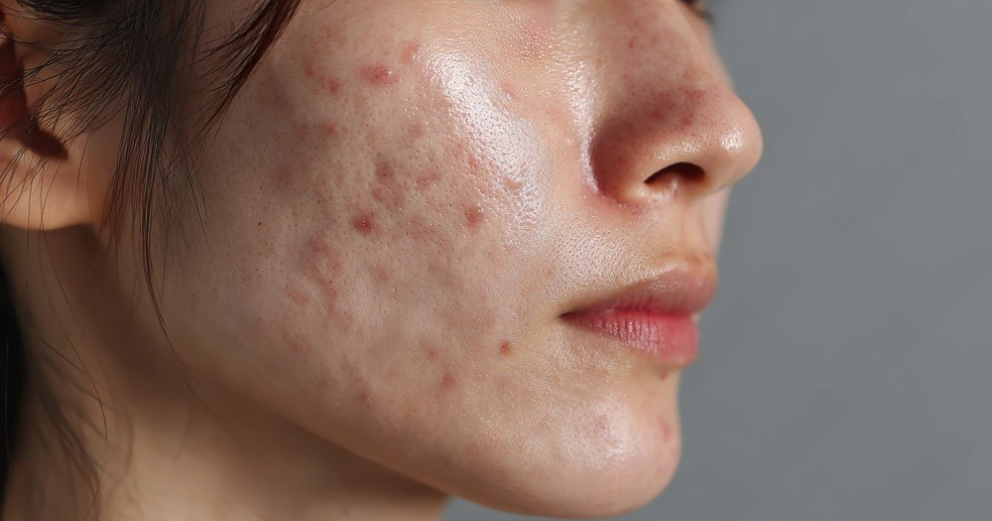
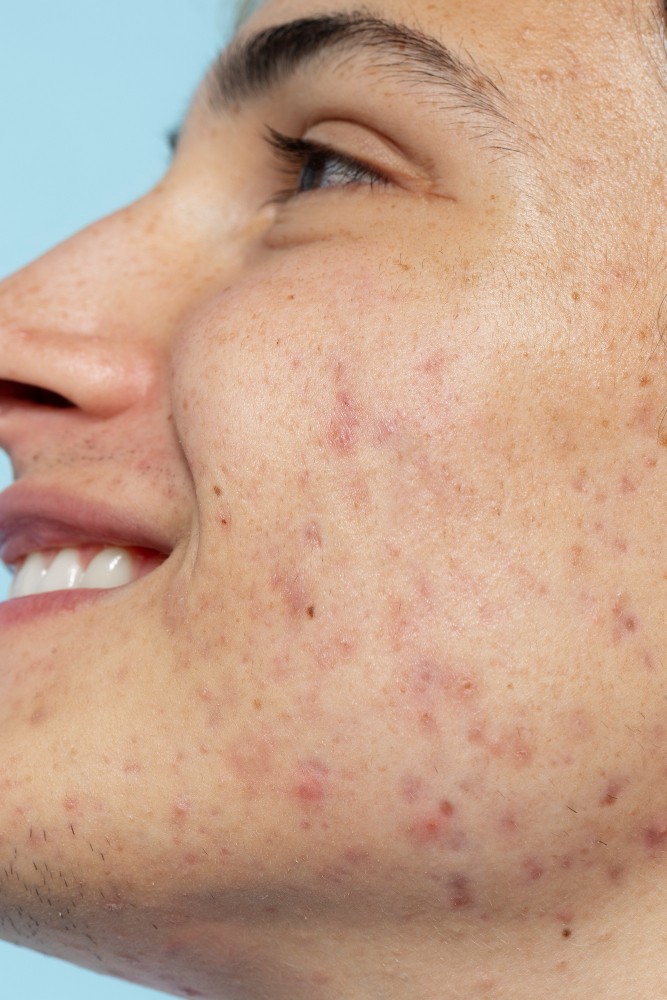
- Acne Treatment: Acne is a common challenge for many, regardless of age. Our experts use evidence-based treatments to help reduce breakouts, manage inflammation, and prevent scarring. We work closely with you to identify the root causes, whether they are hormonal, dietary, or environmental, and develop a customised treatment plan that fits your lifestyle.
- Pigmentation Disorders: Uneven skin tone can affect self-esteem and confidence. At KIMS-Arete Hospital, we specialise in managing conditions, such as, Melasma, Vitiligo, and post-inflammatory hyperpigmentation. Our goal is to help restore your skin's clarity and balance, through targeted treatments and helpful lifestyle recommendations.
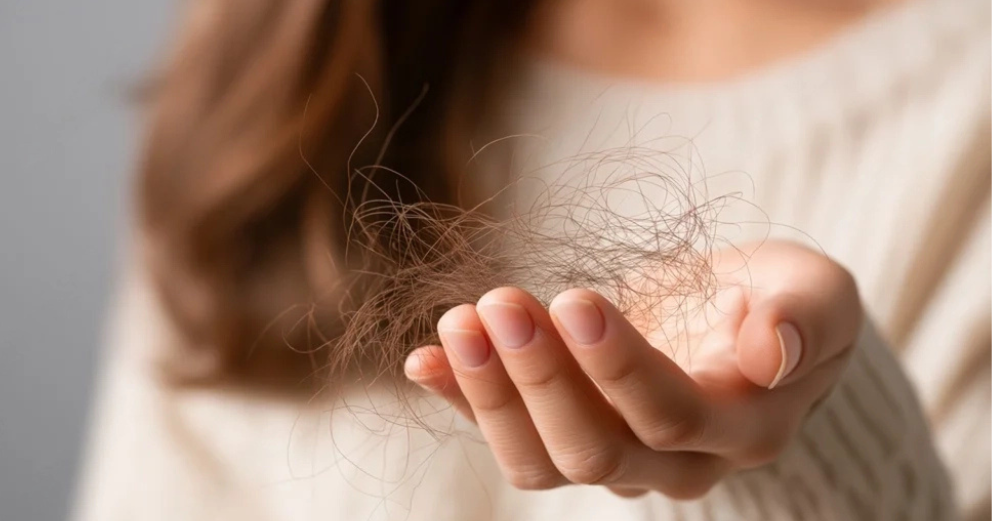
- Hair Fall Treatment: Hair loss can be distressing, impacting your self-esteem. Our Dermatologists perform comprehensive evaluations to determine the underlying causes of hair fall, including genetics, stress, and nutritional deficiencies. We create personalised treatment plans that may include topical solutions and lifestyle adjustments.
- Dandruff: Dandruff can be uncomfortable and embarrassing. Our team offers tailored solutions that not only address the symptoms but also target any underlying skin issues. We aim to restore your scalp's health through effective treatments and practical advice.
- Open Pores: If enlarged pores are affecting your skin’s appearance, we can help. Our Dermatologists assess factors, such as, oil production and skin texture, to provide effective strategies for improving skin smoothness and reducing pore visibility.
- Skin Glow: Everyone desires healthy, radiant skin. We offer guidance on effective skincare routines and products that can enhance your skin’s natural glow. Our team recommends treatments to nourish your skin and address any underlying concerns.
- Suspicious Skin Growths or Moles: Monitoring changes in your skin is essential for early detection of potential issues. At KIMS-Arete Hospital, we carefully evaluate any suspicious skin growths or moles, prioritising assessment and management strategies to ensure your peace of mind.
- Persistent Skin Conditions: Eczema & Psoriasis: Chronic skin conditions, such as, Eczema and Psoriasis, can be challenging to manage. Our specialists offer dedicated care to control flare-ups and alleviate symptoms, developing individualised treatment plans tailored to your specific needs.
- Dermatitis: Dermatitis can take many forms, including contact and atopic dermatitis. Our team provides expert diagnosis and management strategies to help minimise discomfort and promote skin healing, identifying triggers to help prevent future flare-ups.
- Nail Problems: Nail health is an important aspect of your overall wellness. We address various nail issues, from fungal infections to ingrown nails, with effective treatments aimed at restoring nail health and appearance.
- Melanoma: Melanoma is a serious form of skin cancer that requires vigilance. Our clinic offers comprehensive skin assessments to monitor suspicious moles and lesions, providing guidance on preventive measures and management.
- Lichen Planus: This inflammatory condition can impact both skin and mucous membranes. Our Dermatologists offer thorough evaluations and tailored management plans to alleviate symptoms and improve your quality of life.
- Wrinkles: As we age, Wrinkles and fine lines become more noticeable. We provide guidance on medical treatments and lifestyle tips, to help reduce their appearance, promoting youthful-looking skin.
- Vitiligo: Vitiligo is characterised by the loss of skin pigment, which can be emotionally challenging. Our team specialises in managing this condition, providing support and individualised treatment plans to help restore skin tone and boost confidence.
- Melasma: If you’re dealing with dark patches on your skin, often triggered by hormonal changes, we offer effective management options to reduce the appearance of Melasma and promote an even skin tone.
- Fungal Infections: Fungal infections can affect the skin, hair, and nails, leading to discomfort. Our dermatologists provide accurate diagnoses and effective treatment plans to eliminate infections and prevent their return.
Dermatology Diseases
- Acne: This is common skin condition is more of an annoyance rather than a disease which is caused due to the blockage of skin follicles by oil from glands, bacteria, and dead cells etc. they form a plug blocking the skin follicles together and swell.
- Alopecia Areata: In this condition the patients experience hair fall in small, round patches due to the immune system attacking hair follicles.
- Atopic Dermatitis: In this skin disease (also called eczema) inflammation, redness, and irritation of the skin are seen which prompts intense scratching to relieve itching. leads to redness, swelling, cracking, weeping clear fluid, crusting, and scaling. Atopic dermatitis is not contagious, so it cannot be spread from person to person.
- Epidermolysis Bullosa: A rare group of skin diseases which increases fragility propensity to blistering, tearing, sores, etc with minor encounters such as rubbing or bumping to the skin. While they can appear anywhere, it can develop deep inside the body, such as in the mouth, oesophagus, stomach, intestines, in severe cases.
- Hidradenitis Suppurativa (HS): Also known as acne inversa, this is a chronic, noncontagious, inflammatory dermatological disorder that is presented with pimples and boils or both. The patients may also experience the formation of tunnels or tracts on and under the skin.
- Ichthyosis: Dry, thickened skin that resembles fish scales is the common presentation of ichthyosis. This is usually genetic disease but various cases of acquired ichthyosis have also been recorded.
- Pachyonychia Congenita: Thickened nails associated with painful calluses are the hallmark of this rare genetic disease. They are usually seen on the bottoms of the feet.
Dermatology Treatment
- Acne Scar Reduction: Acne vulgaris is a chronic skin disease that is characterised by the occurrence of various skin eruptions (pustules, papules, cysts, etc). The formation of atrophic scars is commonly seen with severe acne vulgaris or inaccurate treatment. At KIMS-Arete Hospital, we deploy multiple effective cosmetic modalities such as ablative lasers, radiofrequency, micro-needling, and pilings with trichloroacetic acid, etc to treat acne scars.[BM7.1]
- Laser Hair Removal: The demand for safe and long-lasting hair reduction necessitated the discovery of lasers and intense pulsed light. KIMS-Arete Hospital utilises a variety of lasers and intense pulsed light systems which deliver the most effective options for long-term hair reduction both for aesthetics as well as medical indications. [BM8.1]
- Facial Contouring: Also called as facial sculpting, this cosmetic surgical procedure is one of the fastest-growing facial reconfiguration technique done to improve the general appearance of the face. It removes double chin, jowls, smokers, or frown lines, treat and tone loose wrinkled skin, etc.
- Medifacials: The use of almost painless minimally invasive procedures to improve the aesthetics of the individual is medifacials. The dermatologists at KIMS-Arete Hospital utilise various treatments and procedures involving mild peels, microdermabrasion, lasers, energy-based devices, etc., to obtain aesthetic results such as skin glow, brightening, toning of skin, rejuvenation, and mild skin tightening.[BM9.1]
- Topical medications: These are the key agents are necessarily prescribed to treat a range of skin conditions. Topical medications comprise all the types of ointments, lotions, creams etc which are applied on the affected areas, targeting the disease rather than working systemically (entire body), thus avoiding systemic side effects. Our accomplished dermatologists are skilful in choosing the exact formulations, prescribing them in appropriate quantities, and counsel the patients on safe and effective treatment regimens.
Key Procedures & Technologies
Cosmetic Dermatology
State-of-the-art aesthetic solutions designed to enhance appearance and boost confidence:
- Chemical Peels – For acne, pigmentation, detanning, and anti-aging
- PRP / GFC / PRF Therapies – For acne scars, non-healing ulcers, and patterned baldness
- Subcision & Microneedling – For acne scars and traumatic skin changes
- Botox & Mesobotox – For wrinkle reduction and facial rejuvenation
- Skin Boosters – For intense hydration and smooth, youthful skin
- Micro Botox – For managing excessive sweating (face, underarms, palms)
Advanced laser treatments offering precision and safety,
- Q-switched Nd: YAG Laser – For treating pigmentation, freckles, and tattoo removal
- Diode Laser – For permanent laser hair reduction
- Erbium YAG Laser – For skin resurfacing, scar correction, and stretch mark management
Vitiligo Surgery
Surgical re-pigmentation options for stable vitiligo, performed with precision and care.
- Non-cultured cell suspension
- Punch grafting
- Suction blister grafting
- Dermatosurgery
Minimally invasive skin procedures are done in a sterile and safe environment.
- Mole, wart, and DPN (Dermatosis Papulosa Nigra) removal
- Keloid management
- Cyst excision
Phototherapy
Light-based therapy for chronic and Autoimmune Dermatologic conditions.
Narrowband UVB Therapy – For Vitiligo, Psoriasis, Atopic Dermatitis, and Chronic Pruritus.