
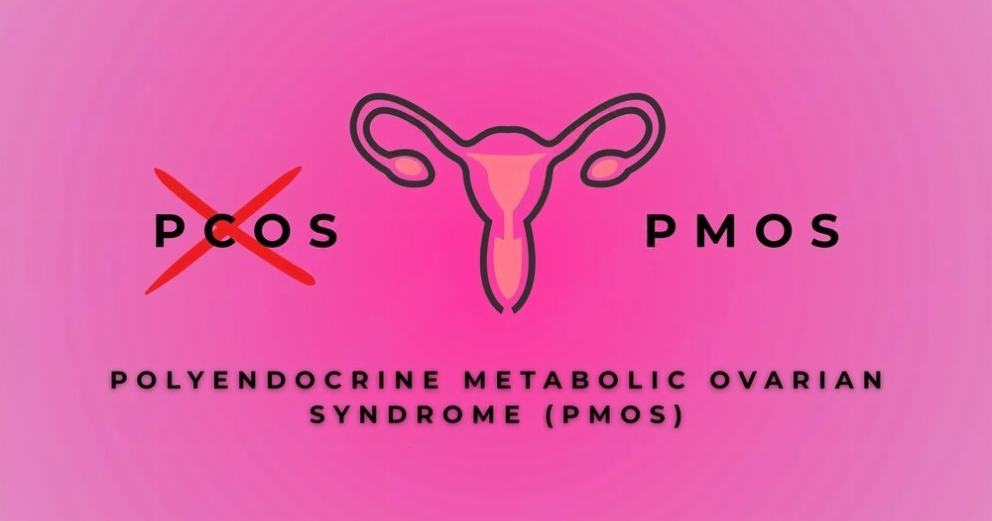
Why I Tell My Patients PCOS Isn't Just an Ovarian Problem.
Why I Tell My Patients PCOS Isn't Just an Ovarian Problem.- Dr Sukirti Misra, Consultant - Endocrino...
Read More...

Department
The Endocrinology Department at KIMS-Arete Hospital strives to consistently deliver superior clinical outcomes through comprehensive care solutions for hormonal problems affecting all age groups. We treat all types of diabetes, short stature, thyroid diseases including thyroid malignancy, rickets, obesity, disorders of sexual development and puberty development, bone disease including osteoporosis, metabolic bone diseases, etc., premature ovarian failure, polycystic ovary disease and syndrome, pituitary or adrenal or parathyroid disorders, metabolic syndrome, male hypogonadism, and atypical genitalia, among various others.
KIMS-Arete Hospital is the best hospital in Hyderabad for endocrinology since it employs cherry-picked expert endocrinologists who specialize in the treatment of not just hormonal issues but also various other complications of endocrine diseases extending up to endocrine oncology. The endocrinology department acquired state-of-the-art diagnostic facilities and developed treatments to help patients recover from a wide range of medical issues.
From Continuous Glucose Monitoring Systems with Insulin Pumps to specialized endocrinology tests like OGTT, mixed meal C-peptide test, and growth hormone suppression test, the endocrinology department at KIMS-Arete Hospital utilizes advanced tools to gather valuable insights for informed decision-making. Our endocrinologists, with excellent clinical skills, integrate cutting-edge treatment approaches while providing personalized and compassionate care to our patients.
KIMS-Arete Hospital, being the best endocrinology hospital in Hyderabad, redefines healthcare by leveraging state-of-the-art technology to establish trust, assurance, and confidence. Our spacious and best-in-class infrastructure ensures a premium and comfortable healthcare journey for patients. To cultivate a serene and calm environment in our endocrinology department to enhance positivity, we prioritize delivering a seamless healthcare experience. The enhanced efficiency approach of KIMS-Arete Hospital is rooted in a commitment to fostering excellence in every aspect of patient care.
1. Type 1 DM (Diabetes Mellitus): Type 1 Diabetes, often developing in childhood or adolescence, requires specialized care due to the inability to produce insulin. Our team at KIMS-Arete Hospital is well-equipped to manage this condition, offering comprehensive support to regulate blood sugar levels through a personalized treatment plan.
2. Neonatal DM (Diabetes Mellitus): In our pediatric endocrinology unit, we address neonatal diabetes mellitus, a rare form that affects newborns and is characterized by severe hyperglycemia due to insufficient or no circulating insulin. Our medical experts understand the complexities of this condition and offer the best care to manage high blood sugar levels caused by genetic mutations affecting Insulin production or response.
3. Diabetes Mellitus: Diabetes mellitus, a condition affecting blood sugar regulation, demands meticulous care. India is recognized as the diabetes capital of the world, yet it is often undertreated or mismanaged due to gaps in specialist care. At KIMS-Arete Hospital, our esteemed endocrinologists provide holistic and comprehensive care for diabetes, aiming to prevent complications such as nerve damage, kidney issues, and vision problems.
4. Short Stature: Pediatric endocrinologist at KIMS-Arete Hospital diagnoses and evaluates children with growth disorders, mostly addressing short stature. These conditions may stem from various factors such as genetic conditions, nutrition, environmental factors, growth hormone deficiency, or chronic diseases affecting growth.
5. Rickets: We provide specialized care for children with rickets, a bone disorder usually caused by a deficiency of vitamin D, calcium, or phosphate. Our experts work closely with families to educate about optimal nutrition and development to manage rickets.
6. Disorders of Sexual Development: These conditions arise when a child's sexual anatomy or chromosomes deviate from the typical male or female pattern, potentially resulting in genital ambiguity. Our multidisciplinary specialists at KIMS-Arete Hospital are experienced in managing these cases with enhanced efficiency.
7. Disorders of Puberty Development: For children encountering early (precocious) or delayed puberty, our experts conduct meticulous assessments to explore underlying endocrine causes. This thorough evaluation is crucial for determining effective management strategies tailored to the individual needs of each child.
8. Precocity: Precocity is defined as the occurrence of puberty related indicators before the normal age of onset. It need not be taken as an endocrine disorder, and in some cases these events could be normal. Nevertheless, in the case of major indicators of puberty before the normal age of onset, it could signal impaired endocrine activity.
9. Female Premature Ovarian Failure: Premature ovarian failure, marked by early cessation of ovarian function, is exponentially increasing in this modern era, probably secondary to endocrine disruptors. We manage hormonal imbalances, support fertility preservation, and address increased risks of osteoporosis, autoimmune disorders, and ischemic heart disease. Case-dependent treatment options for restoring ovarian function may involve hormonal replacement therapy.
10. PCOS and PCOD (Polycystic Ovary Syndrome and Disease): Our endocrinologists are experienced in managing PCOD and PCOS, which are common endocrine disorders in women, manifesting with irregular periods and increased levels of male hormones leading to unwanted hair and severe acne. The customized treatment plan addresses hormonal imbalances, menstrual irregularities, and associated metabolic concerns with lifestyle changes and medication.
11. Hypo/Hyperthyroidism and Thyroid Malignancy: Through thyroid function tests and comprehensive blood tests, our services encompass the detailed evaluation of thyroid disorders, including hypo/hyperthyroidism and thyroid malignancies. KIMS-Arete Hospital utilize state-of-the-art diagnosis and treatment modalities to ensure early detection and effective management, including medication or in severe cases, surgical interventions, to optimize thyroid health for our patients.
12. Pituitary or Adrenal or Parathyroid Disorders: Specializing in the diagnosis and management of disorders impacting the pituitary, adrenal, and parathyroid glands, our expertise extends to crafting personalized treatment plans for conditions such as Cushing's Syndrome, Addison’s Disease (adrenal insufficiency), acromegaly, Sheehan's syndrome, and various parathyroid disorders.
13. Metabolic Syndrome, Obesity, and Hypertension: KIMS-Arete Hospital’ holistic approach for metabolic syndrome, obesity, and hypertension (either at young age or resistant hypertension) involves thorough assessments, including hormonal and metabolic profiling and cardiovascular evaluations. Young hypertension workup includes diagnosis of hormonal causes like thyrotoxicosis, pheochromocytoma, aldosterone or cortisol producing tumors and acromegaly. While employing patient-specific treatment, we integrate lifestyle interventions, targeted medications, and continuous support to optimize metabolic health and ensure cardiovascular well-being.
14. Osteoporosis/ Metabolic Bone Disease: In order to promote bone health and reduce the risk of fractures, our team specializes in the diagnosis and management of osteoporosis and other metabolic bone diseases, offering technology-enabling diagnostics and personalized treatment plans.
15. Male Hypogonadism: We provide high quality care for male hypogonadism, characterized by low testosterone levels. By addressing the impact on overall health, vitality, and well-being in older men, our comprehensive approach focuses on optimizing hormone levels with testosterone replacement therapies and managing associated symptoms, such as erectile dysfunction, decrease in muscle and bone mass.
16. Atypical genitalia: Formerly known as ambiguous genitalia, this rare condition is characterized by the presence of genitals that do not look either typically male or typically female. It occurs due to hormonal irregularities in pregnancy. Hormonal therapy or surgery is necessary for treatment.
17. Non-palpable testes: A testicle that cannot be detected during a physical examination is referred to as a "nonpalpable" testicle, which implies that it cannot be felt in the anatomical location (scrotum). In contrast, a "palpable" testis is one that can be felt, irrespective of its position; it may be located in the scrotum, groin, or other areas.
18. Thyrotoxicosis: This endocrine disease is associated with excess thyroid hormone production. The presentation could be asymptomatic (showing no signs and symptoms) to a life-threatening thyroid storm.
19. Pheochromocytoma: A neuroendocrine cancer which develops from chromaffin cells in the adrenal glands. About 80-85% of pheochromocytomas grow in the inner layer of the adrenal gland.
20. Acromegaly: A rare but serious medical condition of excess growth hormone in the body causing irregular growth. Treatments include surgery, medication and radiation therapy.
21. Cushing's syndrome: A disorder of persistent and excess cortisol (stress hormone). The adrenal glands are two small glands situated on top of the kidneys, producing cortisol.
22. Sheehan's syndrome: Also called postpartum pituitary necrosis, this disease refers to the death of the anterior pituitary gland, which may occur after heavy post-partum bleeding, hypovolemia (low blood level), and shock.
In recent years, significant progress has been made in the management of endocrine disorders. This progress includes the development of innovative pharmacological agents which comes from an enhanced understanding of the underlying pathophysiology of these conditions. Along with reducing endocrine disorders through advancements in endocrinology (pharmacotherapy), KIMS-Arete Hospital also administer advanced techniques for the already established medications. The mainstay of treatment in endocrinology relies on hormone hypersecretion control along with replacement of hormone deficiencies.
The senior endocrinologists supported by a team of experienced endocrinologists and staff members at KIMS-Arete Hospital upholds the notion of risk-benefit ratio while prescribing the pharmacotherapeutic regimens, thus deriving the highest benefit from the prescription with least side effects. The appetite for learning enabled the endocrinologists to indulge in various educational ventures, thus getting familiarised with the latest advancements in endocrinology – both pharmacotherapeutic and procedural. KIMS-Arete Hospital incorporated the novel drugs that pushed the frontiers of endocrinology in its treatment regimens to provide patient centric treatment. Few of the drug classes which had produced recent novel drugs with extreme safety and tolerability profiles include:
Our team of
See