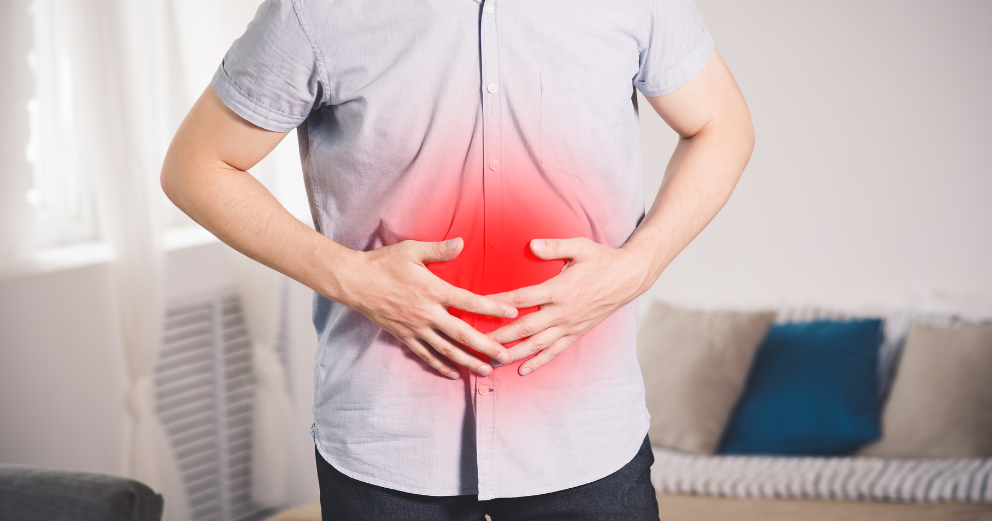
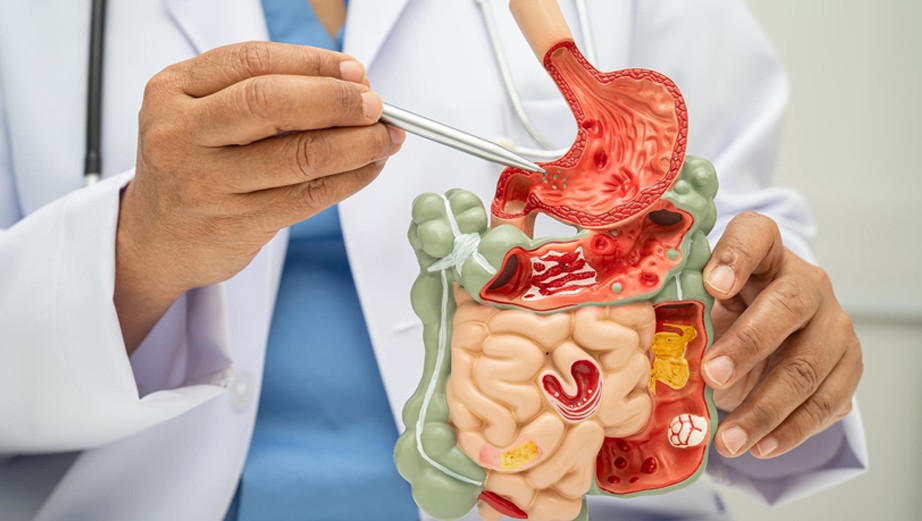
The repercussions of gastrointestinal disorders can be physically and emotionally demanding. The patients presenting to the medical gastroenterology department at KIMS-Arete Hospital often report not just the gastrointestinal disorders but also their mental complications, such as being worn out despite adequate sleeping or even trouble sleeping, tending to be irritable, experiencing discomfort, being overweight, and in a few cases, experiencing a buildup of allergies, etc.
Serving the motto of being "mindful, beyond medicine," the physicians from medical gastroenterology in KIMS-Arete Hospital analyse not just the gut but also refer the patients to the respective departments to provide evidence-based medicine, thus freeing them of their ailments.
Diarrhoea, indigestion, malabsorption, and pain in the abdomen are a few of the most common gastrointestinal disorders and symptoms that could be acute or become chronic in nature. It is not surprising that there is a rise in the gastrointestinal diseases, especially in immunodeficient patients (patients with low immunity), considering the fact that the gastrointestinal tract is the largest lymphoid organ in the body.
Practicing the policy of patient-centric care, KIMS-Arete Hospital is built with the finest facilities and latest technology to provide the best possible care. The sense of calmness and serenity brought by the spacious environment and the flooding of natural light by the large window infrastructure ensures the complete obliteration of the looming shadow of distress caused by gastroenterological diseases.
With its varied services, the medical gastroenterology department at KIMS-Arete Hospital goes beyond just medical expertise, inviting a tech-forward and open spaces, spreading positivity into the lives of patients and caretakers, which is why it can be deemed as the best medical gastroenterology hospital in Hyderabad, living up to its reputation.
Common Medical Gastroenterology Symptoms
- Indigestion: This common symptom is seen in various forms of gastrointestinal tract disruptions, often in gastroduodenal dysfunction. Nausea after eating and occasionally vomiting; upper abdominal bloating, fullness, belching and flatulence; are some of the associated symptoms seen in gastroduodenal dysfunction.
- Abdominal Discomfort/ Bloating: A very common and troublesome symptom, bloating is commonly associated with functional gastrointestinal disorders or other diseases.
- Sudden or Severe Abdominal Pain: Sudden abdominal pain lasting less than seven days, is a common concern with a broad differential diagnosis. The most common causes are gastroenteritis, followed by cholelithiasis, urolithiasis, diverticulitis, and appendicitis.
- Nausea and Vomiting: Nausea and vomiting are common symptoms that may occur as a chronic or recurrent condition and are somewhat difficult to manage. They are often associated with the disease or dysfunction of the gastrointestinal system, including motility disorders.
- Pain or Difficulty while Swallowing: Difficulty in swallowing could be due to an abnormal delay in the transit of a liquid or solid from the mouth to the stomach, which may result from a mechanical obstruction or a motility disorder.
- Acidity: Acidosis in gastrointestinal disorders can lead to severe acid-base disturbances, affecting digestive function. The diseases which may cause acidity include chronic metabolic acidosis, gastroparesis, regurgitation, etc.
- Bloody Stools: Bloody stools can be due to various diseases such as diverticulosis, angiodysplasia, infectious colitis, ischemic colitis, inflammatory bowel disease, colon cancer, haemorrhoids, anal fissures, rectal varices, etc.
- Constipation or Diarrhoea: Patients suffering from chronic constipation are subjected to a screening evaluation to exclude organic disease, after which most can be managed successfully with mere dietary modification and fibre supplementation. The cause of chronic diarrhoea usually can be identified clinically, with irritable bowel syndrome, inflammatory bowel disease, and lactose intolerance being diagnosed most frequently. Diarrhoea is defined as increased water content in stools, that could have various causative factors, such as the condition of small intestine secreting more fluid than it reabsorbs, imbalance of water- and electrolyte-reabsorbing capacity of the colon, etc.
- Food Allergies and Intolerances: Adverse reactions to foods and food additives include those that involve an immune reaction (food allergies) and those that are non-immunological in nature (food intolerance). The signs and symptoms of food allergies usually involve the skin and gastrointestinal tract and are "classic" allergic symptoms. Food intolerance occurs more frequently in all ages.
- Jaundice: The increased levels of bile in blood, which could be a symptom of various hepatological diseases.
- Heartburn: A burning sensation around the chest area, is commonly reported by at least 40% of the population. Usually, heartburn could be due to acid reflux, but there are other differential diagnoses.
Medical Gastroenterology Tests & Techniques
- Endoscopy: Endoscopy is a test for viewing the insides of a patient that uses a long, thin, flexible tube with a tiny light and camera attached to one end. This is required for both therapeutic and diagnostic purposes.
- Colonoscopy: The gold standard for identifying patients with increased risk for colon cancer, colonoscopy utilises a colonoscope which is similar to endoscope but is inserted at the colon to view its lumen.
- Endoscopic Ultrasound (EUS): Extensive deployment of Endoscopic Ultrasound techniques is used in the precise diagnosis and monitoring of various gastrointestinal malignancies (gastric cancers).
- Endoscopic Retrograde Cholangiopancreatography (ERCP): The Endoscopic Retrograde Cholangiopancreatography (ERCP) is necessary for the accurate diagnosis of not only liver-related diseases but also include the diseases of gallbladder, pancreas, and the bile duct.
- Laboratory tests: Along with advanced imaging tests, gastroenterologists may prescribe laboratory tests to facilitate the diagnosis. Iron-deficiency anaemia may suggest mucosal blood loss, which could be due to intestinal perforation, ulcers, etc. Deficiency in Vitamin B12 may suggest either gastric or pancreatic disease etc.
- Colon Cancer Screening: Colorectal cancer is a leading cause of cancer-related death worldwide and screening is a useful factor for its early diagnosis. KIMS-Arete Hospital excels in this field as it outlines the screening through diverse options (including colonoscopy, faecal immunochemical tests, blood-based screening tests, colon capsule studies, MR colonography, CT capsules etc). Each diagnostic modality has its own key features.
Our Key Subspecialties
- Inflammatory Bowel Disease (IBD): Inflammatory Bowel Disease encompasses two major diseases, namely Crohn's Disease and Ulcerative Colitis. Managing both the diseases requires a comprehensive approach, including medication, surgery, and nutritional support. The state-of-the-art advanced endoscopic procedures at KIMS-Arete Hospital ensure accurate diagnosis and effective treatment for improved outcomes.
- Liver Diseases: At KIMS-Arete Hospital, our specialists tackle diverse liver disorders including fatty liver disease, alcoholic liver disease, Hepatitis B and C, and cirrhosis with compassion and expertise. KIMS-Arete Hospital leverage precise imaging, diagnostics, and personalised interventions to promote patient recovery and halt disease progression.
- Pancreas: Both acute and chronic pancreatic disorders can be detected using advanced diagnostic testing and treated through modern and minimally invasive methods. Trained specialists at KIMS-Arete Hospital are adept in managing mild pancreatitis, acute flare-ups, and fatal pancreatitis complications like walled-off necrosis. With precise endoscopic techniques, the drainage of the pseudocyst is done with minimal intervention.
- Gastrointestinal Oncology: The integration of surgical gastroenterology, oncology, and radiology teams for a seamless and optimal gastrointestinal malignancy management that covers various aspects of gastrointestinal oncological services such as screening, diagnosis, treatment, and support for all digestive tract cancers. KIMS-Arete Hospital commitment in delivering excellent oncology treatment is exemplified by the deployment of EUS-guided diagnostic and therapeutic techniques for the management of gastrointestinal malignancies such as biliary tract cancer.
- Functional GI Disorders: These gastrointestinal disorders encompass a spectrum of conditions that affect not just the digestive system but also the mental health of the patients. Delving into a patient-centric approach, KIMS-Arete Hospital takes keen scrutiny to addresses the conditions such as dyspepsia, functional abdominal syndrome, and constipation holistically. Accurate diagnosis by experienced gastroenterologists minimises patient distress and prioritises individual well-being.
Medical Gastroenterology Diseases List
- Gastroesophageal reflux disease (GERD): GERD is an increasingly frequent gastrointestinal illness characterized by symptoms or mucosal damage caused by repeated abnormal push of stomach contents into the oesophagus, causing inflammation of the oesophagus (food pipe).
- Irritable bowel syndrome (IBS): Irritable bowel syndrome (IBS) is one of the most common gastrointestinal disorders associated with lowered abdominal pain, disturbed defecation, and extensive bloating.
- Inflammatory bowel disease (IBD): The two forms of inflammatory bowel disease (IBD) include ulcerative colitis and Crohn’s disease. While ulcerative colitis includes the mucosal inflammation of the rectum and colon, the Crohn’s disease, illustrates transmural inflammation of the gut at any part.
- Appendicitis: Inflammation of the appendix (a finger-shaped pouch seen at colon). It causes pain in the lower right part of the belly.
- Ulcers: Damage to the inner lining of the gastrointestinal tract due to gastric acid secretion or pepsin (a digestive enzyme) which may extend into the muscle layer of the gastric epithelium. It is usually seen in stomach and duodenum, lower oesophagus, distal duodenum, or jejunum etc.
- Haemorrhoids: Also called piles, haemorrhoids is the condition of the formation of lumps inside and around the anus. Usually they are self-limiting (decrease on their own) but in severe cases, it requires treatment. This common anorectal condition affects tens of lakhs around the world, representing a major medical and socioeconomic problem.
- Fatty Liver Disease: A major public health crisis affecting approximately 25% of the world's population. In this disease, there is an increase in the storage of fat in liver. Over time, it can disrupt liver function.
- Alcoholic Liver Disease: Alcohol liver disease arises from overindulgence in alcohol due to which the liver damage occurs through stages such as steatosis (fatty liver), acute hepatitis, cirrhosis.
- Hepatitis B and C: Hepatitis B and C are common blood-borne viral infections that primarily affect the liver. Worldwide, nearly 170 million (17 crores) patients suffer from Hepatitis C.
- Cirrhosis: Liver cirrhosis is a late stage of chronic liver disease, results from complications due to decreased liver function and portal hypertension which is associated with liver cancer.
- Acute and Chronic Pancreatic Disorders: The common pancreatic disorder is pancreatitis - an inflammation of the pancreas, that manifests in either acute or chronic forms. The most common symptoms are pain in abdomen, food malabsorption, and diabetes.
- GI Cancers: Gastrointestinal cancers account for 26% and 35% of the global cancer incidence and all cancer-related deaths, respectively. The common GI cancers include anal cancer, bile duct cancer, colon cancer, oesophageal cancer, gallbladder cancer, gastrointestinal stromal tumours.
- Walled-Off Necrosis: Walled-off pancreatic necrosis (WOPN) is a late complication of acute pancreatitis, generally seen after four weeks from the initial attack.
- Pancreatic Pseudocyst: Fluid-filled sac arising from the pancreas seen in chronic pancreatitis patients.
- Functional Abdominal Syndrome: Functional abdominal pain syndrome (FAPS) is relatively rare gastrointestinal disorder, which involves chronic or frequent pain that does not result from a specific, identifiable cause.