The Department of Cardiology at KIMS-Arete Hospital, the best heart hospital in Hyderabad, encompasses comprehensive, non-invasive cardiology tests that focus on early detection, gaining a good head start in our fight against heart disease. Living up to the motto of “mindful beyond medicine,” the cardiologists at KIMS-Arete Hospital take up not just the treatment of cardiovascular disease but also the inculcation of patient-specific, customised risk-reversal lifestyle interventions that complement a superior quality of life through cardiac rehabilitation, setting a new standard of cardiac care.
The common cardiology symptoms:
- Chest pain / chest discomfort: One of the common symptoms presented to a cardiologist, chest pain may be an isolated incident, or it could be accompanied by other manifestations usually declaring the onset of a cardiovascular disease.
- Dyspnoea (shortness of breath): The patients may feel like they can’t get enough air into their lungs or cannot catch their breath, resulting in uncomfortable breathing. This breathing difficulty could be due to the inability of the heart to pump enough oxygen-containing blood around the body, commonly seen in conditions such as angina, heart attacks, heart failure, and some abnormal heart rhythms like atrial fibrillation, which can all cause shortness of breath.
- Peripheral oedema (swelling of feet): Abnormal fluid accumulation, especially within the lower limbs, indicating a failing ventricle (lower heart chamber), among other things.
- Palpitations (heart-pounding sensations): Often associated with anxiety; palpitations arise abruptly, indicating cardiac arrhythmias (irregular heartbeat).
- Hypotension (giddiness and lightheadedness): Reduced pressure in arteries, which could indicate a myriad of cardiac diseases such as heart attack, heart failure, bradycardia, etc.
- Syncope: Temporary blacking out due to a failure of blood perfusion in the brain due to a failing heart.
The Cardiology Tests List
- Electrocardiogram (ECG): The electrical potential generated by the heart is measured from the electrodes placed on the body’s surface. Any disturbance indicates cardiac abnormality.
- Echocardiography: High-frequency ultrasound (sound waves) is utilised, which penetrates the body and bounces from relevant structures, generating a picture of blood flow within the heart and blood vessels.
- Treadmill Test (TMT): A type of cardiovascular endurance examination containing the combined principles of blood pressure monitoring and electrocardiography performed usually on a treadmill or bicycle.
- Cardiac Biomarkers: A blood test for the timely, accurate diagnosis of acute coronary syndrome as well as the prognosis and management. Through cardiac biomarkers, the disease can be accurately triaged by analyzing several myocardial enzymes, myocardial proteins, peptides, etc.
- Cath Study for Congenital Heart Disease: Also called cardiac catheterisation, this procedure is employed to investigate the physiological processes of heart diseases or to understand the diagnostic data of the heart or its blood vessels.
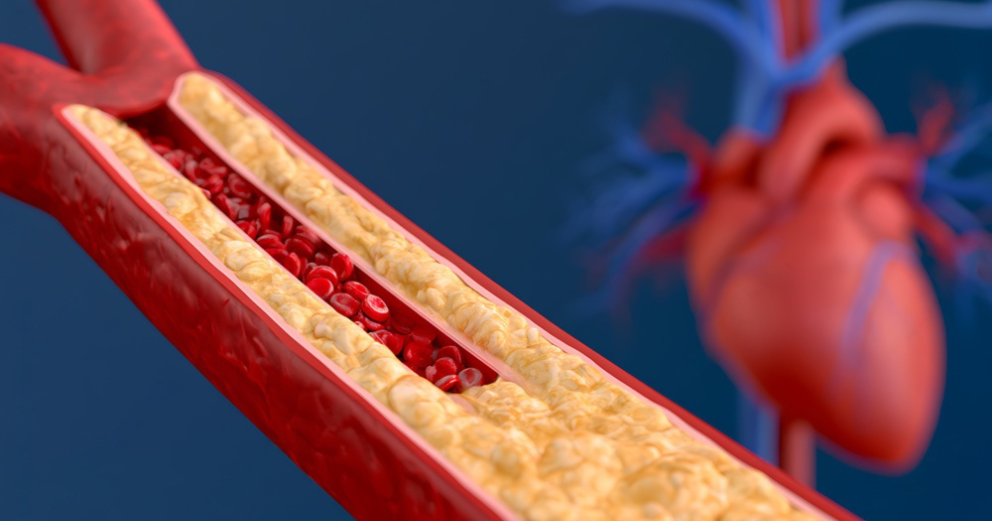
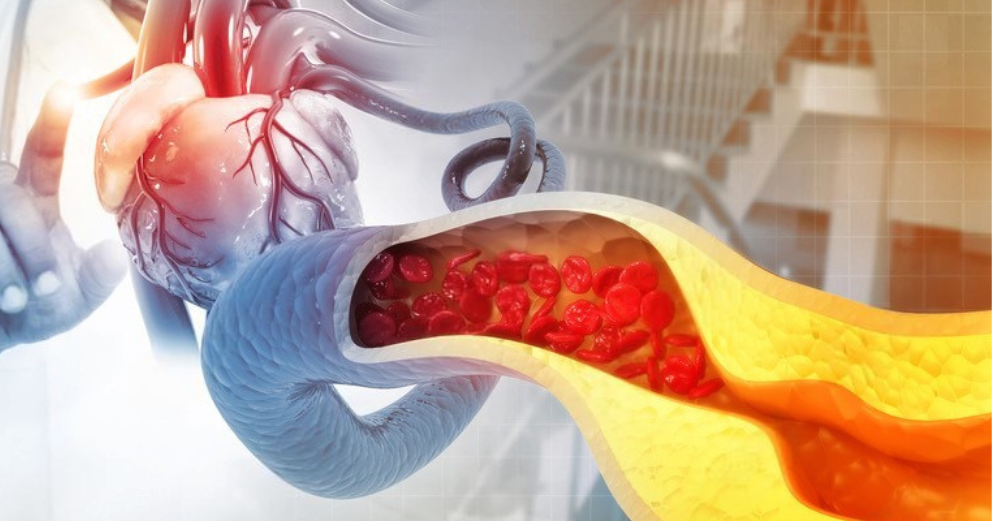
- Fractional flow reserve (FFR): This test examines the blood flow in blocked coronary arteries, indicating the severity of the stenosis (narrowing) of the artery.
Key subspecialties in Cardiology
Interventional Cardiology: At KIMS-Arete Hospital the latest Cath Lab equipment facilitates several cardiac procedures. The Cath Labs are powered by Optima IGS 330, which facilitates stent placement that guides cardiac procedures with precision and reduces complications through various interventions such as:
- Coronary Interventions: Minimally invasive percutaneous coronary interventions (PCI) are used to treat blocked coronary arteries. Some of the procedures KIMS-Arete Hospital specialise in include Primary PCI, Elective PCI, Complex PCI, Fractional Flow Reserve (FFR), and Image-guided PCI using Intravascular Ultrasound (IVUS) and Optical Coherence Tomography (OCT). Using primary PCI, the cardiologists at KIMS-Arete Hospital can treat STEMI patients within 60 to 90 minutes of door-to-wire time for optimal clinical outcomes. Through image-guided percutaneous coronary intervention using IVUS and OCT guides, our cardiologists enhance the precision and outcomes of cardiac interventions.
- Structural Heart Disease Interventions: For individuals grappling with conditions affecting heart structure, such as heart valves, the cardiologists at KIMS-Arete Hospital employ interventional techniques such as Transcatheter Aortic Valve Implantation/Replacement (TAVI/TAVR), Transcatheter Mitral Valve Replacement (TMVR), and transcatheter mitral valve repair with MitraClip to help repair diseased heart valves. KIMS-Arete Hospital has adopted recent innovations in tricuspid valve repair using TricValve systems, making it the best hospital for heart surgery in Hyderabad. The procedure is deemed a breakthrough technique for patients who cannot be operated on with open cardiology surgery. The cardiologists at KIMS-Arete Hospital can efficiently diagnose several congenital heart disorders like atrial septal defect (ASD), ventricular septal defect (VSD), patent ductus arteriosus (PDA), and coarctation of the aorta with state-of-the-art diagnostic facilities and treat them using novel, minimally invasive therapeutic techniques. Stroke patients with non-valvular atrial fibrillation are treated with left atrial appendage closure (LAA).
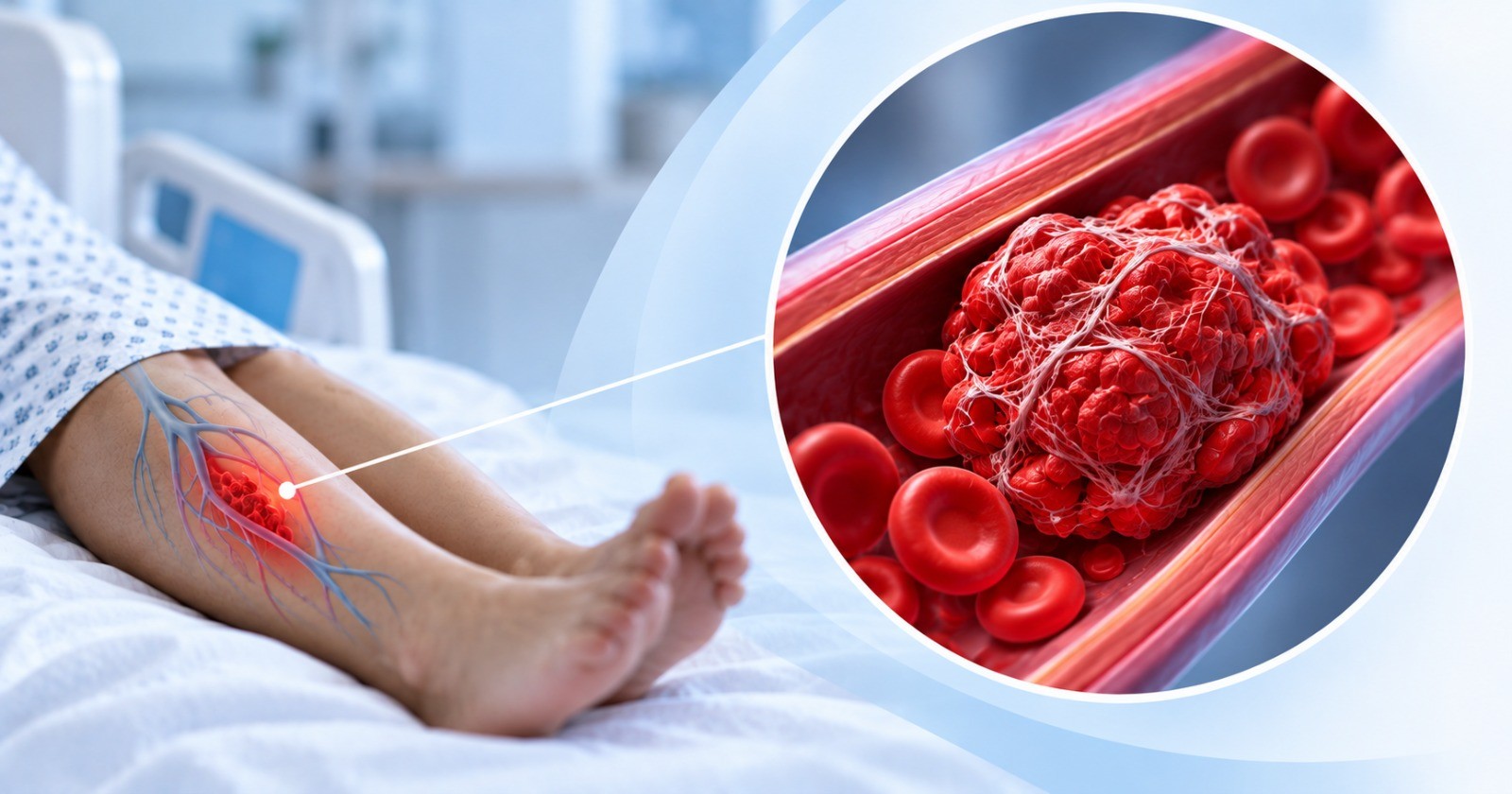
- Peripheral Interventions: KIMS-Arete Hospital offers treatment for peripheral vascular disease, aiding the removal of blood clots and improving blood flow. The cardiologists at KIMS-Arete Hospital perform peripheral artery stenting, inferior vena cava (IVC) filter placement, and deep vein thrombosis (DVT) thrombectomy as peripheral interventions. These procedures help maintain the patency of the vessel lumen and trap any blood clots passing through the vessel. Advanced solutions from PENUMBRA systems facilitate the use of catheter-directed thrombolysis along with anticoagulant therapy for DVT and PTE. With a commitment to patient-centred care and cutting-edge technology, the cardiac surgery team strives to provide personalised treatment plans and support throughout every step of the recovery journey, making KIMS-Arete Hospital the best heart surgery hospital in Hyderabad.
Electrophysiology: Temporary or permanent pacemakers, automatic implantable cardioverter-defibrillators (AICDs), and cardiac resynchronisation therapy (CRT-P/CRT-D) help deal with ailments associated with the electrical activity of the heart. They help stabilise the heart rhythm. To treat arrhythmia, the cardiologists at KIMS-Arete Hospital employ radiofrequency ablation techniques to modify heart tissues causing abnormal heart rhythm. KIMS-Arete Hospital leverage the best-in-class technology, such as leadless pacemakers, for a swift recovery.
Therapy of Heart Failure: Management of heart failure patients is challenging due to its high association with morbidity and mortality. The well-trained and experienced cardiologists make treatment decisions suited to the patient's condition. We support heart failure patients by offering personalised diet plans, medications, surgical intervention when required, and palliative care.
Cardiology Conditions and Diseases
- Acute myocardial infarction (acute MI): Reduced blood perfusion through coronary arteries causing chest pain and muscle damage of the heart if treatment is delayed.
- Congestive heart failure (CHF): CHF is the major cause of cardiovascular mortality, profoundly impacting the functionality and quality of life. In this disease the heart fails to circulate the blood properly due to failure in pumping.
- Complete Heart Block: This condition is commonly seen with the injury of the atrioventricular (AV) node disrupting the flow of electrical signals from the atria (heart’s upper chambers) to the ventricles (lower chambers of the heart). It may require an artificial pacemaker to restore normal cardiac rate and rhythm.
- Cardiac Tamponade: This is an emergency that occurs due to the excessive fluid accumulation in the pericardial sac, compressing the heart and decreasing the cardiac output, causing shock. Needle pericardiocentesis is a common treatment.
- Cardiogenic Shock: A life-threatening condition caused by the inability of the heart to provide enough oxygenated blood to the brain and other essential organs. It can be managed if discovered early. The symptoms could include a slow pulse, confusion, sweating, rapid breathing, etc.
- Tachycardia: If the heart rate is higher than normal (i.e., greater than 100 beats per minute even at rest), it is called tachycardia, which can begin either in the upper or in the lower chambers of the heart. It could be a life-threatening situation in a few cases. Depending on the severity, either medication or an ablation procedure or the insertion of an implanted cardioverter defibrillator (ICD) can be used for treatment.
- Bradycardia: In bradycardia, the heart rate falls below 60 beats per minute. The patients may experience syncope (suddenly losing consciousness), vertigo, physical debility or exhaustion, interrupted sleep, etc.
The Expert Medical Treatment at KIMS-Arete Hospital
The cardiovascular disorders are often discrete, which is why cardiology cases such as acute myocardial infarction (insufficient blood supply impairing the heart muscle) and hypertrophic cardiomyopathy (thickened heart muscle) can be commonly presented in previously asymptomatic patients. Also, in the case of symptomatic cases, most of the common cardiology diagnoses are present primarily with chest discomfort, shortness of breath, swelling of legs, palpitations, syncope, etc. At KIMS-Arete Hospital, the ever-alert cardiologists leave no stone unturned before ruling out all the other differential diagnoses from the presented cardiology symptoms, thus identifying the risk a patient is in and providing proper pharmacotherapeutic agents to prevent the occurrence of the disease.
The pharmacotherapy provided to the patient is based on the latest current guidelines regarding the contemporary use of all available cardiovascular medications. Strongly emphasising the scientific rationale behind the use of such therapies in cardiac disease, the cardiologists at KIMS-Arete Hospital discuss the role of drugs and provide the much necessary advice regarding every drug prescribed, especially in the elderly and patients experiencing pregnancy.