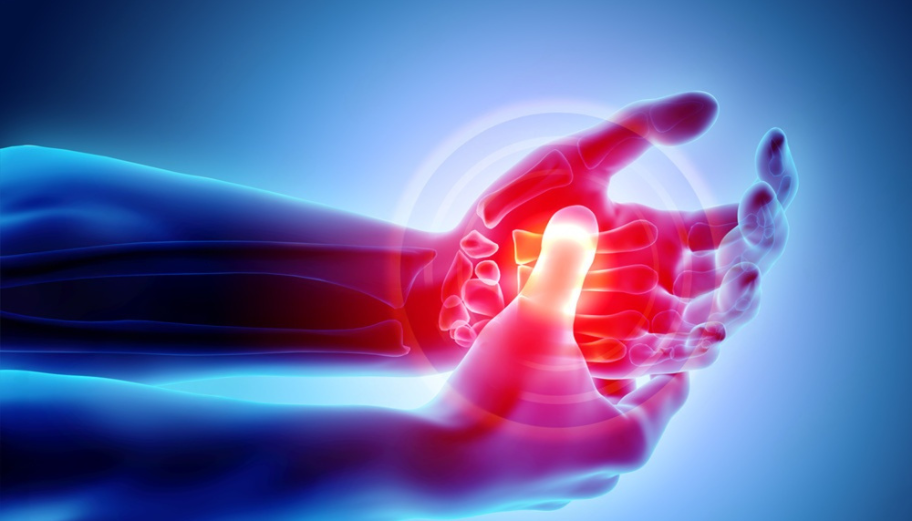
Rheumatology is the emerging speciality that focuses on the diagnosis and treatment of autoimmune disorders of the joints, muscles, and connective tissues.
Although many of the patients visit the specialists of orthopaedics, ophthalmology, dermatology, etc., for their respective symptoms, these specialists often refer them to rheumatologists to diagnose and manage these seemingly subtle but complex systemic diseases.
In these cases, rheumatologists possess expertise in evaluating and managing a wide spectrum of disorders related to the musculoskeletal system, including systemic inflammatory and autoimmune diseases that may also involve other organ systems.
At KIMS-Arete Hospital, the top rheumatology hospital in Hyderabad, we recognise that patients often present with symptoms that initially lead them to orthopaedists, dermatologists, nephrologists or ophthalmologists. These specialists frequently refer patients to our rheumatology department for comprehensive evaluation and management of subtle yet complex systemic diseases. Our specialists possess deep expertise in diagnosing and treating a wide array of musculoskeletal and autoimmune conditions, including:
- Rheumatoid arthritis
- Osteoporosis
- Crystalline diseases (e.g., gout)
- Spondyloarthropathies, psoriatic arthritis
- Vasculitis (e.g., giant cell arteritis, polyarteritis nodosa)
- Connective tissue diseases such as Systemic lupus erythematosus (SLE), scleroderma, Sjögren's Syndrome
- Inflammatory myopathies (e.g., polymyositis, dermatomyositis)
At KIMS-Arete Hospital, our rheumatology department enforces a patient-centred and multidisciplinary practice. Our specialists serve in outpatient clinics, inpatient consults, and academic settings—providing longitudinal care, conducting clinical and translational research, and mentoring future physicians. Whether through personalised treatment plans or collaborative care models, our rheumatologists are committed to restoring mobility, reducing inflammation, and improving quality of life.
The Common Rheumatology Symptoms
- Musculoskeletal pain: Musculoskeletal pain affects bones, joints, ligaments, tendons, or muscles. If musculoskeletal pain interferes with the usual activities, the right treatment can help relieve pain.
- Joint Pain and Tenderness: These are commonly seen in most rheumatologic conditions, and these symptoms often begin subtly but grow persistent. They usually worsen after rest but get better with movement.
- Joint Swelling and Warmth: Inflamed joints become visibly swollen due to synovial fluid accumulation and immune cell infiltration. The skin over the joint may feel warm, red, and stretched, indicating active inflammation. It’s commonly seen in rheumatoid arthritis, psoriatic arthritis, gout, injury infection etc.
- Joint Stiffness: Patients often describe a rigid and stiff feeling in their joints, especially during the morning hours upon waking, which could last more than 30 minutes but improves with activity. It is often associated with chronic inflammation and autoimmune arthritis.
- Dry eyes: Xerophthalmia (dry eyes) and xerostomia (dry mouth) could be a sign of Sjögren’s syndrome, in which the moisture-producing glands are attacked by the immune system. Sjögren’s syndrome can be even more pronounced if the patient is experiencing dryness in the mouth and other mucosal surfaces. Gritty eyes, difficulty swallowing, and increased dental decay may also appear.
- Muscle Pain and Weakness: Myalgia and weakness often accompany autoimmune muscle diseases like myositis. Pain may be diffuse or localised, and weakness may affect muscles of arms, legs, and spine. Patients report difficulty climbing stairs, lifting objects, or rising from a chain.
- Skin Manifestations: Autoimmune diseases frequently affect the skin—rashes, nodules, plaques, or ulcers. The butterfly rash in lupus, psoriatic plaques, and scleroderma’s waxy skin are classic examples. These signs are not merely cosmetic—they reflect systemic involvement. Skin changes often correlate with disease flares.
- Eye Inflammation: Conditions like uveitis, episcleritis, and scleritis cause redness, pain, and vision changes. These are seen in ankylosing spondylitis, Behçet’s disease, etc.
- Fever: Especially low-grade fever of unknown cause. It is often accompanied by weight loss, fatigue, cognitive impairment.
Rheumatology Test List
It must be understood that unlike some other conditions, there may not be a single lab test that can determine rheumatologic disorders. The rheumatologists usually rely on a combination of symptoms, physical exams, and test results to make a diagnosis. Few of them are:
- Routine tests: Routine blood tests like Complete Blood Count (CBC) erythrocyte sedimentation rate (ESR), C-reactive protein (CRP), Liver function lest (LFT), Renal function test (RFT), and Complete urine examination (CUE) help detect signs of inflammation, infection, or organ involvement. These tests provide important clues about immune activity, anaemia, kidney or liver function, and overall health. While not specific to one disease, they support diagnosis and monitoring of autoimmune and inflammatory conditions. At KIMS-Arete Hospital, these tests are part of a comprehensive evaluation to ensure accurate and timely care. ESR and CRP serve as inflammation markers.
- Rheumatoid Factor (RF): This test is usually negative in psoriatic arthritis, and positive in rheumatoid arthritis.
- Anti-CCP Antibodies: Typically absent in psoriatic arthritis but are more commonly seen in rheumatoid arthritis.[BM2.1]
- Radiological tests: Radiological examinations X-rays, ultrasound scans may be done to diagnose and monitor rheumatologic conditions. While X-rays can detect joint damage, bone erosion, etc, ultrasound scans can spot joints and tendon inflammation, especially in early disease stages. Bone Mineral Density (BMD) scans can assess bone strength, useful for osteoporosis. CT and MRI scans provide detailed views of soft tissues, joints, and spinal structures, helping detect hidden inflammation or damage.
There are few specialised tests that are done depending on symptoms such as:
- Synovial Fluid Test: Also called as the joint aspiration, fluid is gently removed from the affected joint using a needle. This fluid is sent for pathology to understand what’s causing the inflammation. The presence of monosodium urate (MSU) crystals - tiny, needle-shaped crystals, which confirm the diagnosis of gout. It is also used to rule out infection.[BM3.1]
- Schirmer’s test: To understand the status of tear glands producing enough tears to keep the eyes moist.
- Ocular surface staining: The surfaces of the eyes are examined for damage and dryness.
- Lip biopsy: To find the inflammation of the glands that produce saliva and tears. This test can determine the type of inflammation and the severity.
- Sialometry: To measures the flow of saliva.
Rheumatology Diseases List
- Rheumatoid Arthritis: This chronic autoimmune disease causes pain, stiffness, and swelling in the lining of the joints of the fingers, hands, wrists, knees, ankles, feet, etc. The main difference between rheumatoid and other types of arthritis lies in its occurrence. While rheumatoid arthritis usually occurs in the same joints on both sides of the body, the other types of arthritis are usually seen in a single joint. In time, inflammation from rheumatoid arthritis can deform the joints, erode the bone and lead to the joint fusion.[BM5.1]
- Psoriatic Arthritis: A form of inflammatory arthritis that is commonly seen among people who are suffering from psoriasis—a skin disease that causes a red, scaly rash, most often on the elbows, knees, ankles, feet, and hands. It is commonly seen among people between 30 and 50 years of age.[BM6.1]
- Gout: This inflammatory arthritis occurs due to a buildup of uric acid in the body, causing pain and swelling in the joints of the big toe, knees, ankles, feet, hands and wrists, elbows, etc. The pain flares up periodically—gout attacks. Changes in diet can reduce uric acid levels, thus minimising gout attacks.[BM7.1]
- Systemic Lupus Erythematosus (SLE): This is the most common type of autoimmune connective tissue disease, with symptoms such as fatigue, joint pain, and rashes across the nose and cheeks. These symptoms flare up periodically, but mostly with medicines, this disease can be managed, and the patients can live a near normal life.[BM8.1]
- Scleroderma: A rare type of autoimmune which usually affects the skin, it can cause other symptoms too. Increased collagen production can cause skin and other tissue to be thicker and more fibrous than they should be. Thickened waxy skin, joint pain, stiffness, fatigue, and unexplained weight loss are the common symptoms. It may involve gut lungs kidneys etc. [BM9.1]
- Sjögren's Syndrome: In this autoimmune condition the glands produce less moisture than they should, causing long-term dryness throughout the body. Here glands of the tear system, saliva, nose, throat, digestive system, etc., produce controlled secretions. The most common symptoms include dry or itchy eyes, dry mouth (xerostomia), vaginal dryness, dry skin, etc.[BM10.1]
- Ankylosing Spondylitis: A chronic inflammatory disease of the spine comprising long-standing back pain and spinal stiffness. It impairs spinal mobility, causing buttock pain, hip pain, peripheral arthritis, etc. [BM11.1]
- Reactive Arthritis: Also called Reiter’s syndrome, this is a rare but temporary inflammatory arthritis that can be caused by infections. While it causes similar symptoms to other types of arthritis, the main difference is this disease is temporary (lasting usually for less than a year). Reactive arthritis happens due to infection in the urinary tract, genitals, digestive system, etc., triggering an unusual reaction from the immune system. [BM12.1]
- Myositis: In this autoimmune disease the immune system attacks the muscles, causing chronic inflammation and weakening them. It can also cause muscle pain. Myositis usually affects the voluntary muscles (muscles that are used to move, such as both upper and lower limbs, abdomen, spine, [BM13.1]etc.).
- Vasculitis: This condition causes inflammation in the blood vessels, thickening them, which results in a difficult flow of blood, damaging organs and causing serious complications such as aneurysms, etc.[BM14.1]
- Osteoporosis: This disease weakens the bones by making them thinner and less dense. People with osteoporosis are much more likely to experience broken bones (bone fractures) with minimal or no trauma at all. Most patients are unaware of their osteoporosis status until it causes fractures. Most fractures are seen in hips, wrists, spines, etc
The Rheumatology Treatment List
Managing rheumatologic conditions requires a balanced approach that combines both pharmacological and non-pharmacological strategies. At KIMS-Arete Hospital, our multidisciplinary team ensures that every patient receives personalised care that addresses both symptoms and underlying causes. Rheumatological diseases requires both pharmacological (medical treatment) and non-pharmacological treatment (non-medical treatment).
Pharmacological Treatment
Rheumatologic diseases are often associated with chronic inflammation and immune system dysfunction. To control these, the specialists may prescribe:At KIMS-Arete Hospital, the specialists carefully prepare tailored medication plans, reducing the chances of adverse effects. Regular monitoring through blood tests, we prevent or manage complications.
- Non-Steroidal Anti-Inflammatory Drugs (NSAIDs): For pain and inflammation, swelling relief.
- Corticosteroids: These drugs demonstrate anti-inflammatory and immunoregulatory activity. They can be given orally, intravenously, intramuscularly or can be injected directly into the joint.
- Disease-Modifying Anti-Rheumatic Drugs (DMARDs): These are a class of drugs to treat or manage rheumatological disorders. They have immunosuppressive and immunomodulatory activities and are classified as either conventional DMARDs or biologic DMARDs
Non-Pharmacological Treatment
Non-drug therapies play a vital role in improving quality of life and long-term outcomes.
- Patient & Family Education: Embracing the concept of informed choices, the specialists at KIMS-Arete Hospital, believe in the concept of patient education being central to empowering individuals with rheumatic diseases to live fully, independently, and with confidence. Family education also fosters emotional support and improves treatment adherence.[BM17.1]
- Physiotherapy & Rehabilitation: Many of the management regimens of rheumatic diseases include physiotherapy and rehabilitation as they significantly augment medical therapy in preventing joint damage and functional loss. They include cold/heat applications, electrical stimulation, hydrotherapy, etc. Apart from these, muscle strengthening exercises can improve range of motion, stability and reduce pain. We also provide mobility aids such as walking sticks, braces, and frames etc to enhance independence. Tailored physiotherapy programs are offered at KIMS-Arete Hospital to suit individual needs.[BM18.1]
- Lifestyle & Wellness Interventions: Lifestyle interventions, such as diet, exercise and mindfulness, can benefit patients with rheumatic disease.[BM19.1] With healthy eating such as consuming foods rich with omega-3s, fibre, and antioxidants etc, the gut microbiome promotes amelioration of symptoms.[BM20.1]
- Smoking cessation: Smoking has been linked to a worsening of the progression of various rheumatic diseases. Smoking not only encourages the causation of the diseases but may also interfere with its progression, poor prognosis and treatment nonresponsiveness.[BM21.1]
- Stress management: At KIMS-Arete Hospital, we recognize that emotional well-being is deeply connected to physical health—especially in rheumatologic conditions. Stress can flareup and worsen symptoms, which is why we offer holistic support through mindfulness practices, and professional counseling. These techniques help patients manage anxiety, improve sleep, and enhance overall resilience.
- Pre-conception and pregnancy counselling in autoimmune conditions: Women with autoimmune diseases like lupus or rheumatoid arthritis are advised to undergo pre-conception counselling to ensure a safe and healthy pregnancy. Stabilizing the disease for at least six months before conception significantly reduces risks to both mother and baby. At KIMS-Arete Hospital, our rheumatology and obstetrics teams work together to provide personalized care plans for a smooth pregnancy journey.
- Osteoporosis Evaluation and Management: Strong bones are vital at every age. Whether it’s prevention or treatment, the rheumatologists at KIMS-Arete Hospital use risk assessment tools to catch issues early and help the patient protect bones from fractures.
- Chronic Rheumatological Disease Counselling and Family-focused Planning: Autoimmune diseases are often long-term, but we believe they don’t have to take over the life. We provide ongoing education, support, and include the family in the care journey — because healing is a team effort.
- Precision Rheumatology: There’s no one-size-fits-all in Rheumatology. We look at everything- the lifestyle, family history, and unique health background of the patient- and then craft a treatment plan that truly works for the patient.
- Long-term Autoimmune Disease Management: Autoimmune conditions can change over time, and so should the treatment. We offer ongoing follow-ups, monitor the progress, and adjust plans as needed to help the patients feel their best, every day.
Key Technology and Procedures
Ultrasound-Guided Joint Injections: Safe and accurate administration of intra-articular therapies for Arthritis and inflammatory conditions using Musculoskeletal Ultrasound guidance. At KIMS-Arete Hospital, our Rheumatology team is the patient’s lifelong partner in managing Arthritis and autoimmune conditions with compassion, clarity, and commitment.