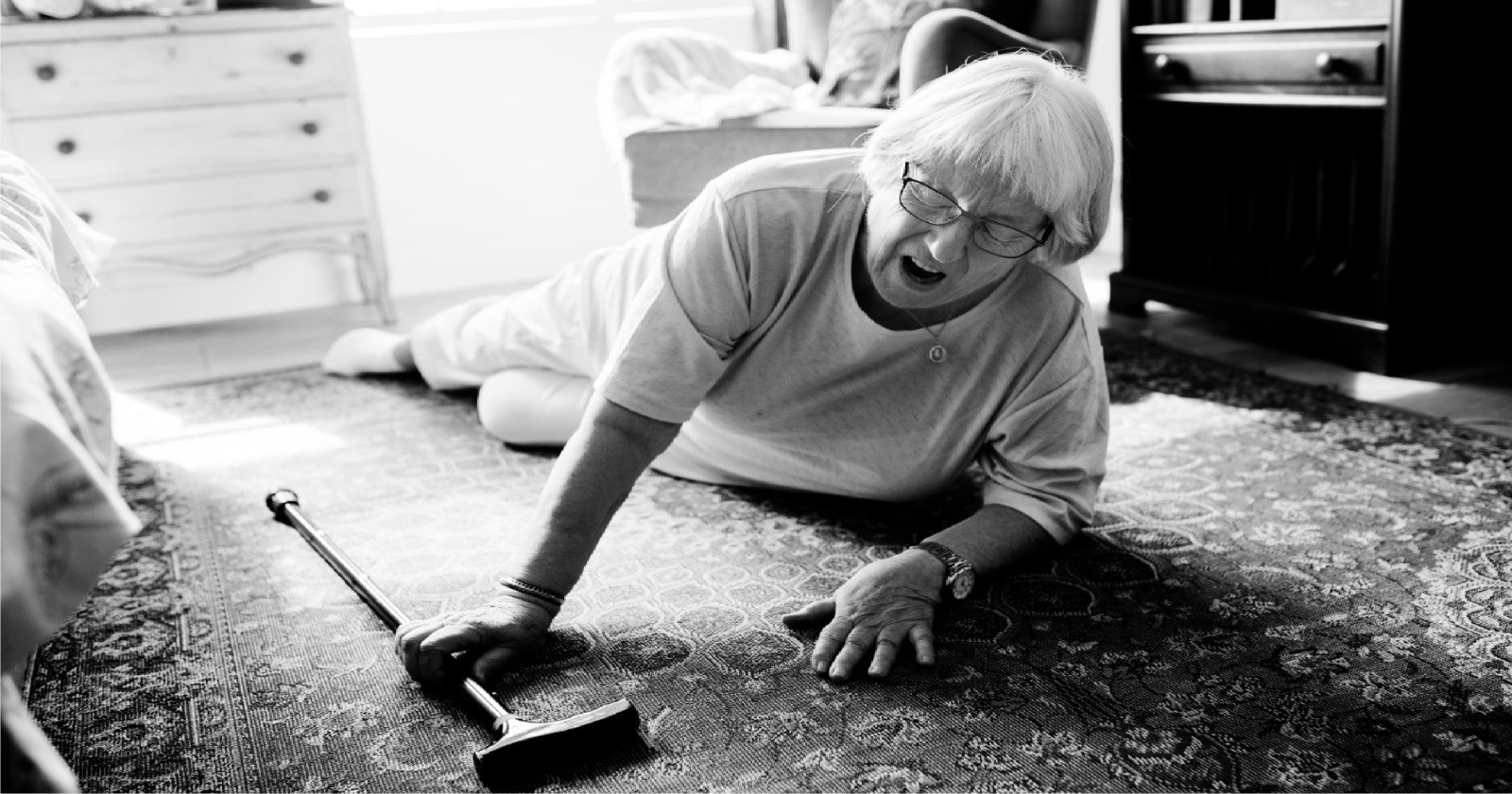
The neurological disorders which currently form the second highest cause of death but retained the leading position of disability worldwide. One of the leading bodies of disease epidemiology, the Global Burden of Disease depicted an increase in prevalence of neurological patients. They calculated a 100% increase of neurological patients by the year 2050.[BM1.1]
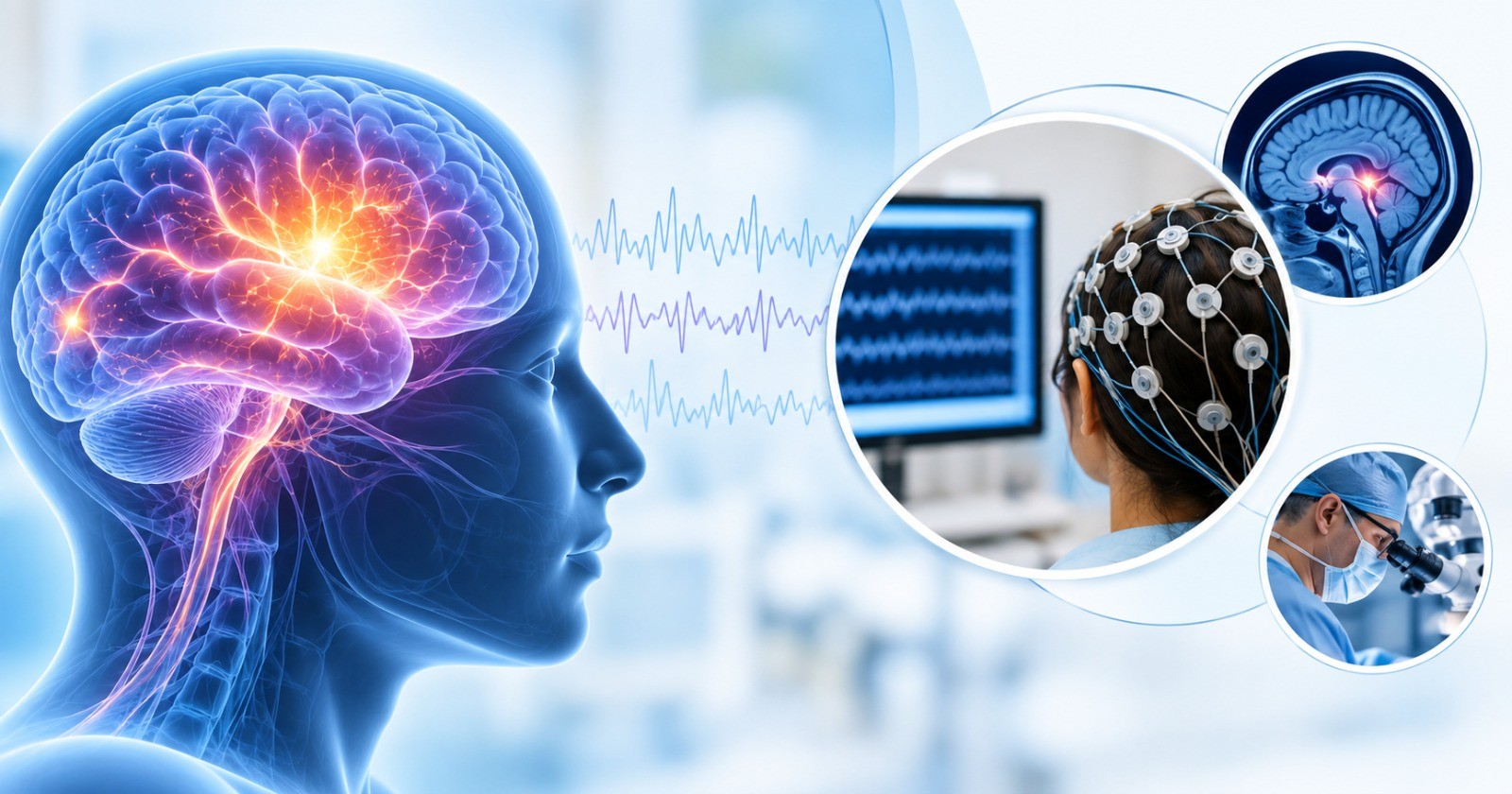
Being the Best Neurology Hospital in Hyderabad, KIMS-Arete Hospital strives to be ahead of the curve. [BM2.1]This is why KIMS-Arete Hospital heavily invests in the acquisition of various novel neurodiagnostic equipment such as Nerve Conduction Studies (NCS), Electromyography (EMG), Video EEG Monitoring, Polysomnography (Sleep Study), Computed Tomography (CT scan), Spinal angiography which broadens the scope of Neurology, thus executing its role in reducing the neurological diseases.
Neurological symptoms:
- Cognitive Disturbances: The neurological disorders affecting cognition could include neurodegenerative, traumatic, toxic, anoxic, and infectious processes. Persons with memory, language, and speech deficits and consciousness alterations are often unable to communicate clearly about their pain and discomfort. Patients suffering from cognitive impairments, especially hospitalised patients are less likely to ask for and receive analgesics[BM3.1].
- Movement Disorders: Movement and locomotory disorders could be of varied clinical, pathological and genetical origin are characterized by impairment of the planning, control or execution of movement. Ther are various neurological movement disorders such could include ataxia, dystonic disorders, gait disorders, Huntington disease, myoclonus, parkinsonism, spasticity, tardive dyskinesia, tics, tremors etc.[BM4.1]
- Paraparesis (a type of paralysis): Also called paraplegia, which refers to partial or complete voluntary motor function loss in the pelvic limbs which could usually originate from spinal cord lesions in the second thoracic spinal cord segment.
- Lhermitte symptom (shock–like sensations): When the neck is flexed, it creates electric shock–like sensations which could be deduced due to the generation of ectopic impulses in the white matter pathways. It is seen in many neurological diseases such as multiple sclerosis etc. Degeneration of the spinal cord can also cause this symptom.[BM5.1]
- Diplopia: Even a single object appears as 2 objects. It is prevalent in many neurological diseases and trauma involving midfacial fractures due to blunt trauma.[BM6.1]
- Dysarthria: Difficulty talking motor disorder which could be a symptomatic presentation to various neurological deficits,
- Visual scotoma (blind spots in vision): Temporary or permanent blind spots developed as blurred, or flickering spots[BM.
Uncovering the fouls: Types of Neurological Tests:
- Nerve Conduction Studies (NCS): An essential test in the evaluation of the peripheral nervous system. The NCS test requires skill as there are numerous technical and environmental factors that can affect the NCS and should be recognized and corrected if possible. Understanding that although basic NCS is low-risk procedure, the neurologists at KIMS-Arete Hospital consider all the possible safety issues for patients with implanted electrical devices.[BM8.1]
- Electromyography (EMG): A test to measure the muscle response or electrical activity in response to a nerve's stimulation of the muscle. The test is used to help detect neuromuscular abnormalities.[BM9.1]
- Video EEG Monitoring: Video-EEG monitoring is an important diagnostic innovation that can be used to confirm the diagnosis of a seizure disorder and classify the seizure type. Long-term EEG recordings can be done in outpatient or for monitoring epilepsy.[BM10.1]
- Polysomnography (Sleep Study): A gold standard test to evaluate sleep apnea.[BM11.1]
- Computed Tomography (CT scan): Cross-sectional X-ray images of the neuroanatomy. Since the x-ray beams, are passed through different angles in the body, it could provide a detected images aligned even at 180°.[BM12.1]
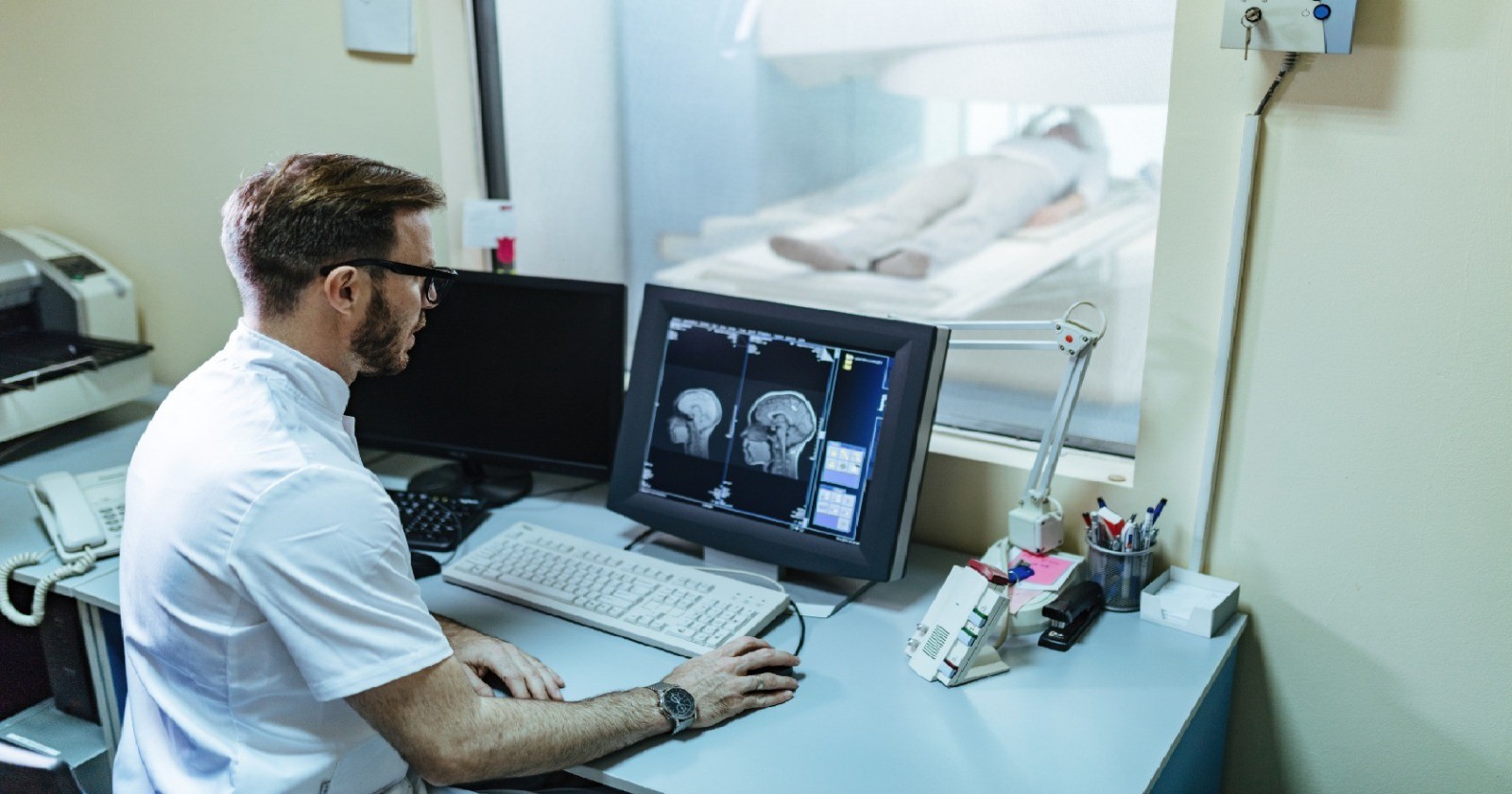
- Magnetic resonance imaging (MRI scan): The images are formed due to a complex interaction seen between hydrogen protons in the tissues of the patients and a static magnetic field. The radiofrequency waves energise the process of obtaining computerised images.[BM13.1]
- Spinal Angiography: Large volumes of contrast are pumped into the spinal cord to understand its blood circulation. Complications could include paraparesis, subjective visual blurring etc.[BM14.1]
- Magnetic resonance neurography (MRN): A neurological test to detect damaged nerves through fat-suppressed fast-spin echo imaging.
Neurological Disorders List:
- Stroke: A very serious condition of reduced blood and oxygen supply to the brain. Whether the stroke is ischemic or hemorrhagic origin, the neurologists at KIMS-Arete Hospital deal to minimize any further brain damage through interventions such as thrombolysis and mechanical thrombectomy, etc.[BM16.1]
- Epilepsy – Disturbed electrical activity in the brain depicted by seizures. It can turn life-threatening if the disease prolongs.[BM17.1]
- Parkinson's Disease – Development of tremors, imbalance and instability even at rest. First identified by Dr James Parkinson in 1817, and hence the name.[BM18.1]
- Migraine - Recurrent throbbing headache with light sensitivity and aura formation in specific cases.[BM19.1]
- Peripheral Neuropathy: A general discomfort with symptoms including numbness, tingling, and weakness in the hands and feet. The expertise of neurologists at KIMS-Arete Hospital lies in the development of personalized treatment regimen reassuring a path towards healing.[BM20.1]
- Alzheimer's Disease – A neurological disease encasing the slow loss of cognitive, behavioural, and functional skills.[BM21.1]
- Sleep Disorders – Sleep hygiene can be disturbed by various sleep related disorders such as insomnia (sleeplessness), hypersomnia (increased sleep), narcolepsy (excessive daytime sleepiness, with sleep attacks), sleep apnea (breathing issues related sleep disorder) etc.[BM22.1]
- Multiple sclerosis (MS): One of the most common disabling neurological disease of young adults occurring within 20-40 years of age in which the immune system attack the myelin present in the central nervous system (brain, optic nerves, and spinal cord). Myelin is a protective sheath (myelin sheath) that coats nerve fibers (axons). The disease is rarely fatal and most people with MS have a normal life expectancy.[BM23.1]
- Botox Treatment: Botox is a drug obtained from the toxin of Clostridium botulinum that had been utilized both as a therapeutic and cosmetic agent. While traditionally it is used to treat wrinkles and facial creases Botox is also used in the treatment of hyperhidrosis (severe underarm sweating), cervical dystonia (neurological disorder of that causes Lhermitte symptoms), blepharospasm (uncontrollable blinking patterns), strabismus (squint eyes), chronic migraine etc. Handling Botox requires tremendous skill and the neurologists at KIMS-Arete Hospital provide gentle relief from muscle stiffness and facial spasms with patient specific Botox treatment regimens.[BM24.1]
- Vertigo: Vertigo can disrupt your daily activities or even lead. At KIMS-Arete Hospital, advanced vertigo treatments including vestibular rehabilitation therapy are fully catered from a patient specific point of view, guiding towards full recovery.
- Muscle Diseases: The muscle diseases that come under the care of neurologist cause weakness, stiffness, and atrophy, impacting daily life. Patient specific treatment works well in dealing these diseases through therapy and lifestyle adjustments thus restoring muscle strength.
- Neuro-Immobilization: Neurological functions or movements may be restricted due to injury or medical intervention. Our approach involves intensive care, stabilizing injuries, and facilitating rehabilitation.
Common Surgical & Medical Treatment from Neurology Department:
- Epilepsy Surgery: A specialized procedural intervention necessary to reduce or even eliminate seizures altogether in patients suffering from epilepsy despite taking medication. Utilizing advanced surgical techniques, our skilled neurosurgical team targets the epileptic area with precision.
- Vagus Nerve Stimulation (VNS): A minimally invasive neurological surgery offered to treat epilepsy in severe medication-resistant cases. Our skilled team oversees the entire process, from device implantation to ongoing management and adjustments, ensuring the best clinical outcomes.
- Deep Brain Stimulation (DBS): An interventional procedure involving the implantation of neurostimulator and electrodes which sends electrical impulses into specified targets in the brain responsible for movement control. DBS is useful for managing movement Disorders like Parkinson's Disease and Essential Tremors, offering significant relief and enhancing quality of life.
- Mechanical Thrombectomy: A minimally invasive technique done to remove blood clots from arteries present in the brain, often complementing thrombolysis for ischemic strokes.[BM26.1]
- Thrombolysis: Thrombolysis has been utilized in the management of acute ischemic stroke. recombinant tissue plasminogen activators are given intravenously in the treatment.[BM27.1]
- Vestibular Rehabilitation Therapy: An exercise-based treatment program designed to promote vestibular adaptation and substitution, the vestibular rehabilitation therapy enhances postural stability in vertigo patients improve[BM28.1].
Role of KIMS-Arete Hospital in Limiting the Neurology Gap: The Excellence Commitment
The fact that there is a severe dearth of neurologists does not help in mending the situation of increasing neurological diseases. It was estimated that in several Asian countries including India, there are fewer than one neurologist per million (10 lakhs) population.[BM29.1]
At KIMS-Arete Hospital the neurology department is more than adequately equipped to deal with impending doom. This is one of the few medical institutions to hold a full-fledged functional neurological department with the intent of reducing neurodegenerative diseases. KIMS-Arete Hospital cherry pick the best neurologists who demonstrate not only academic skill in their medical school but also integrate the skill of ever-changing medical technology through years of practice. Following the patient-first approach the neurologists at KIMS-Arete Hospital diagnose chronic neurological conditions after obtaining the patient’s detailed history, physical examination, various neurological tests and provide treatment to relieve the disease.
With such skewed neurologist-patient ratio, although it is imperative that surviving neurologists may present high rates of burnouts, invariably effecting their practice, and quality of care, KIMS-Arete Hospital on the other hand thrives in living up to its motto of “Mindful beyond medicine” by establishing a state-of-the-art facility where neurologists can deliver their best, so that the patients can feel at their best. [BM30.1]
Practicing the policy of patient-centric care, KIMS-Arete Hospital is built with the finest facilities and latest technology to provide the best possible care. The sense of calmness and serenity brought by the spacious environment and the flooding of natural light by the large window infrastructure ensures the complete obliteration of the looming shadow of distress caused by neurodegenerative diseases.
The patients suffering from any neurological symptoms such as tingling or numbness, drooping eyelids, vertigo (fainting), tinnitus (ringing in the ears), memory loss or severe forgetfulness, seizures (fits), shock-like pain in any part of the body, headaches or migraines, tremors, changes in smell or taste, vision problems or muscle weakness can present to the neurologists at KIMS-Arete Hospital.[BM31.1]
Complacent with evidence-based medicine, the neurologists at KIMS-Arete Hospital focus in ruling out all the differential diagnosis by prescribing a necessary list of neurological tests thus obtaining and confirming a specific diagnosis. They achieve diagnosis by focussing the clinical problem in anatomical terms before arriving at the pathophysiology of the disease, thus ensuring the judicious application of technology before initiating prompt treatment.