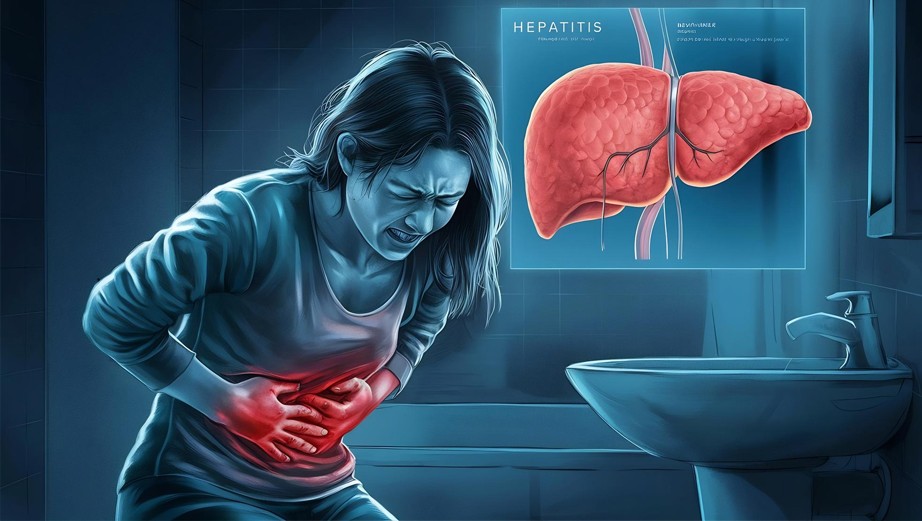
At KIMS-Arete Hospital, serving the motto of “mindful beyond medicine,” the discipline of surgical gastroenterology is taken to newer heights with established state-of-the-art facilities such as advanced 4K Laparoscopy system, minimally invasive robotic surgery, and advanced surgical energy devices, etc.
The surgical gastroenterologists at KIMS-Arete Hospital, are experts in performing complicated procedures such as the resection of liver, surgery for portal hypertension, surgery of pancreas and oesophagus, esophagectomy, Heller's cardiomyotomy, hepatico-jejunostomy, total proctocolectomy, shunt & devascularization surgeries, ileal pouch anal anastomosis, biliary strictures surgeries, and fundoplication, laparoscopic and robotic surgeries etc.
The extent of our patient-centric care is evidenced by the effort we undertook in accomplishing the spacious environment and the flooding of natural light by large window infrastructure, which ensures the complete obliteration of the looming shadow of distress, thus reducing the duration of patient stays in the hospital, which made KIMS-Arete Hospital get recognised as the best surgical gastroenterology hospital in Hyderabad. Schedule a consultation today to experience the way of KIMS-Arete Hospital.
Common Symptoms:
- Heartburn: One of the typical symptoms in various gastrointestinal diseases, such as gastroesophageal reflux disease, reflux esophagitis, Barrett's oesophagus, nonerosive reflux disease, etc.
- Increased saliva production: (Water brash, hypersalivation, increased saliva): Also called “sialorrhea or ptyalism or water brash, or hypersalivation”, this condition of increased salivary flow can occur with various neurologic disorders, infections, Wilson disease, as well as a typically subtle manifestation of gastroesophageal reflux disease.
- Belching: A common normal phenomenon, belching could be a bothersome symptom in the case of excessive episodes. Gastric belching and supragastric belching are the two types, and the disease of gastroesophageal reflux disease is the most relevant condition in both types of belching.
- Dental erosions: Tooth wear and tear is a normal physiological lifetime process, but if the damage is higher than the average rate, the doctors may look for the disease causing it. In gastrointestinal diseases, the occurrence of regurgitation as a complication of gastrointestinal problems, could cause dental erosions and pain.
- Abdominal pain: Abdominal pain could indicate various conditions from various disciplines, but from a gastroenterological point of view, it could be conditions such as gallstones, kidney stones, duct or intestinal blockage or appendicitis, etc.
- Nausea and vomiting: Although very generic, nausea and vomiting symptoms could also be due to oesophageal disorders, achalasia, intussusception, malignancy (cancer), pyloric stenosis, strangulated hernia, volvulus, appendicitis, etc.
- Hoarseness of the voice: In some cases, voice hoarseness may be presented in various gastrointestinal diseases, such as gastroesophageal reflux disease, reflux esophagitis, Barrett's oesophagus, etc.
- Loss of appetite (anorexia): Mostly seen in patients with gastric and duodenal ulcers but may also be signs of an ulcer-related complication.
Diagnostic Procedures Commonly Performed in the Surgical Gastroenterology Department
- Endoscopy: Endoscopy is a test for viewing the insides of a patient that uses a long, thin, flexible tube with a tiny light and camera attached to one end. This is required for both therapeutic and diagnostic purposes.
- Colonoscopy: The gold standard for identifying patients with increased risk for colon cancer risk, colonoscopy utilises a colonoscope, which is similar to an endoscope but is inserted at the colon to view its lumen.
- Endoscopic Ultrasound (EUS): Extensive deployment of Endoscopic Ultrasound (EUS) techniques is used in the precise diagnosis and monitoring of various gastrointestinal malignancies (gastric cancers).
- Endoscopic Retrograde Cholangiopancreatography (ERCP): Endoscopic Retrograde Cholangiopancreatography (ERCP) is necessary for the accurate diagnosis of not only liver-related diseases but also the diseases of gallbladder, pancreas, and the bile duct.
- Laboratory tests: Along with advanced imaging tests, gastroenterologists may prescribe laboratory tests to facilitate the diagnosis. Iron-deficiency anaemia may suggest mucosal blood loss, which could be due to intestinal perforation, ulcers, etc. Deficiency in Vitamin B12 may suggest either gastric or pancreatic disease, etc.
Key Subspecialities
1. Hepato-Pancreato-Biliary Care: At KIMS-Arete Hospital, the standard for excellence is catered towards patient care by offering state-of-the-art minimally invasive procedures to treat various gastrointestinal diagnoses affecting the pancreas, liver, gallbladder, and bile duct. The expertise lies in various surgeries such as laparoscopic cholecystectomy, common bile duct exploration, laparoscopic liver tumour resection, and laparoscopic pancreatic surgeries, etc which offer precise care, helping in the minimisation of postoperative discomfort. Committed to delivering exceptional care, our team ensures a smooth and supportive healthcare experience for our patients.
2. Upper Gastrointestinal Diseases: Since innovative medical interventions and compassionate care are prioritised for patients suffering from various medical gastrointestinal conditions such as gastroesophageal reflux disease (GERD) or achalasia cardia, among others, diseases affecting the oesophagus, stomach, and duodenum, KIMS-Arete Hospital provide world-class procedural interventions such as esophagectomy, Heller's cardiomyotomy, gastric bypass, and fundoplication to relieve the patient of their diseases. Minimally invasive procedures such as laparoscopy / robotic surgeries are preferred for a faster recovery and minimal discomfort to the patient. Dedicated to restoring health and providing unparalleled patient care, KIMS-Arete Hospital stands at the forefront of upper gastrointestinal surgery.
3. Colorectal Diseases: KIMS-Arete Hospital stands tall as a beacon of expertise and compassion when it comes to dealing colorectal diseases through procedural interventions. The Department of Surgical Gastroenterology at KIMS-Arete Hospital cherry-picks highly qualified medical professionals who are dedicated to provide exceptional care to patients with colorectal conditions. KIMS-Arete Hospital is a one-stop solution that offers comprehensive diagnostic, therapeutic, management, and surgical solutions to all types of colorectal conditions through the early detection, employing innovative therapies, and providing patient-centred care.
4. Gastrointestinal Malignancy: The spread of cancers, especially gastrointestinal cancers, has gripped the entire globe, and KIMS-Arete Hospital is keen on preparation to counter the same. The Department of Surgical Gastroenterology at KIMS-Arete Hospital offers a plethora of technological and innovative procedural outcomes, such as robotic surgeries / laparoscopic procedures for gastrointestinal malignancies, including D2 gastrectomy, Whipple surgery, and radical colectomies, providing effective treatment. The patients of KIMS-Arete Hospital are very contended to receive a holistic and personalised treatment plan that promotes successful recovery.
5. Hernias: Described as a typical bulging of an organ or tissue (the gut in this case) through an abnormal opening, it can cause nausea, vomiting, and constipation, among many other serious complications depending on the site of occurrence and bowel obstruction. The team of expert gastrointestinal surgeons at KIMS-Arete Hospital ensures accuracy and precision in the diagnosis, which is followed by an effective treatment for various types of hernia repair surgeries. Collaborating closely with patients, we tailor treatment plans for optimal outcomes through a range of laparoscopic hernia repair techniques, including Enhanced-View Totally Extraperitoneal Rives-Stoppa (eTEP-RS), Transversus Abdominis Release (TAR), Laparoscopic Intraperitoneal Onlay Mesh-Plus (IPOM PLUS), Transabdominal pre‐peritoneal (TAPP) repair, and Extended totally extraperitoneal repair (eTEP), ensuring minimal pain and a smoother recovery process. Our experienced surgeons utilise advanced mesh techniques, creating a robust and permanent hernia repair. Post-surgery, precise techniques are employed to minimise persistent pain. For cases of chronic pain following a previous hernia surgery, our experts offer exceptional assistance.
6. Proctology: This is a specialised gastroenterology field which deals with the diseases affecting the rectum and the anus. The common ailments include haemorrhoids, anal fissures, anal abscesses, colorectal polyps etc. The proctologists at KIMS-Arete Hospital use a variety of diagnostic tools, including digital rectal exams and colonoscopies, to make accurate and precise diagnoses. While most of the cases can be non-surgically treated with just lifestyle modifications and some accompanying medications, the more severe cases may require surgical intervention. Since KIMS-Arete Hospital goes beyond just the disease treatment which is evident from its dedication in ensuring patients' comfort and dignity in the treatment of rectal and anal disorders, we employ the latest laser procedures for a faster and pain free recovery.
Common Surgical Gastroenterology Diagnosis and Conditions
- Gall Bladder Stones: Hardened deposits of bile formed in the gallbladder, obstructing the flow of bile. The bile is produced by the liver and is necessary for digestion.
- Appendicitis: Characterized by inflammation of the appendix, the suffering patients typically need to appendectomy surgery within 2-3 days of the onset of symptoms.
- Hernia: The medical phenomenon of an internal body part pushing through a weakened muscle or surrounding tissue wall. It usually develops in the stomach or intestine.
- Complex hernia: Complex hernia frequently occurs in the location of a previous hernia repair or surgical site. The fistula or mesh from previous surgery significantly complicates the healing process.
- Haemorrhoids: Also called piles, haemorrhoids is the condition of the formation of lumps inside and around the anus. Usually they are self-limiting (heal on their own), but in severe cases, it requires treatment. This common anorectal condition affects tens of lakhs around the world, representing a major medical and socioeconomic problem.
- Gastroesophageal reflux disease (GERD): Condition of stomach acid flowing repeatedly into the oesophagus thus irritating the lining of the oesophagus.
- Gastrointestinal cancers: A large group of cancers (abnormal cell growth) that originate in the gastrointestinal tract, which could be due to an interplay of various non-modifiable and modifiable risk factors. The common types of gastrointestinal malignancies include colorectal cancer, gastrointestinal stromal tumours, oesophageal cancers, etc.
- Liver and pancreatic cancers: The presence of abnormal cell growth in liver is called hepatic malignancy (liver cancer). It could be of various types such as hepatocellular carcinoma, epithelioid haemangioendothelioma, similarly among pancreatic cancers the list includes acinar cell carcinoma, adenosquamous carcinoma, colloid carcinoma, giant cell tumour, hepatoid carcinoma, mucinous cystic neoplasms etc.
- Abdominal emergencies: At least 7-10% of all the emergency care includes abdominal pain. Among the various causes of abdominal emergencies for acute abdominal pain, the common diagnoses include acute cholecystitis, acute diverticulitis, appendicitis, etc. Computed tomography (CT scan) is a sensitive and cost-effective initial step in acute abdominal pain evaluation. An ultrasound scan is considered the first step in the evaluation of pathologies related to gallbladder and the pancreas.
- Pancreatic pseudocyst: Fluid collected in a sack-like formation on pancreas, which is usually formed as a complication of pancreatitis.
- Chronic pancreatitis: Inflammation of pancreas presented with prolonged abdomen pain and its relief especially when leaning forward, weight loss etc.
- Barrett's Oesophagus: Long-standing gastric oesophageal reflux disease (GERD) can cause Barrett's oesophagus. It is caused due to the regurgitation of stomach acid into the oesophagus.
- Refractory gastroparesis: Delayed gastric emptying despite using medicines and dietary adjustment
- Hirschsprung disease: A congenital disorder with symptoms of chronic constipation and intestinal obstruction.
- Achalasia cardia: An oesophageal disorder of difficulty in swallowing food, it is more likely to occur in the elderly.
- Pancreatic adenocarcinoma: Commonly called as the pancreatic cancer - a common gastrointestinal malignancy, associated with a poor prognosis.
- Hepatic metastases: When liver cancer starts to spread to other areas in the body, it is called hepatic metastases.
Common Gastroenterological Surgeries and Treatment
- Robotic surgeries: In the past 2 decades, the big breakthrough in surgical gastroenterology includes the spread of minimally invasive surgery, including robotic surgery. Today, the application of robotic surgery in gastrointestinal surgery is increasing in the field of gastrointestinal cancer. Contrary to what many people think, in this system, the robot does not operate automatically, but it is controlled by the surgeon. Currently, with robotic surgery, oesophageal cancers, gastric cancers, pancreatic cancers and rectal cancers, etc are commonly treated.
- Inguinal, Ventral, and Incisional Hernia Repair: The outpouching of any part of the gut through a weak or perforated abdominal wall is hernia. Based on the type, there are surgical procedures available for the repair of inguinal hernia. Each procedure has its own advantages and complications.
- Whipple procedure: Also called pancreaticoduodenectomy, the Whipple procedure is the choice of surgical intervention necessary for the management of pancreatic cancer.
- Hepatectomy: An established surgical intervention against hepatic metastases, hepatectomy is also performed for colorectal, breast, ocular melanoma and other neuroendocrine cancers.
- Anti Reflux Surgeries: There are 2 types of anti-reflux surgeries (total fundoplication and partial fundoplication), which are specifically performed mainly in patients with well-established chronic reflux disease.
- Abdominal Wall Reconstruction Techniques: A surgery performed in patients suffering from abdominal wall hernia - a gap in a muscular layer due to which the contents of the abdomen are pushed out.
- Gastrointestinal surgical oncology: Surgery for gastrointestinal cancer can treat gastrointestinal malignancy patients. Combining surgery with other gastrointestinal cancer treatments, such as chemotherapy, can enhance the results.
- Nissen fundoplication: This is an anti-reflux surgery which is performed for the management of gastroesophageal reflux disease.