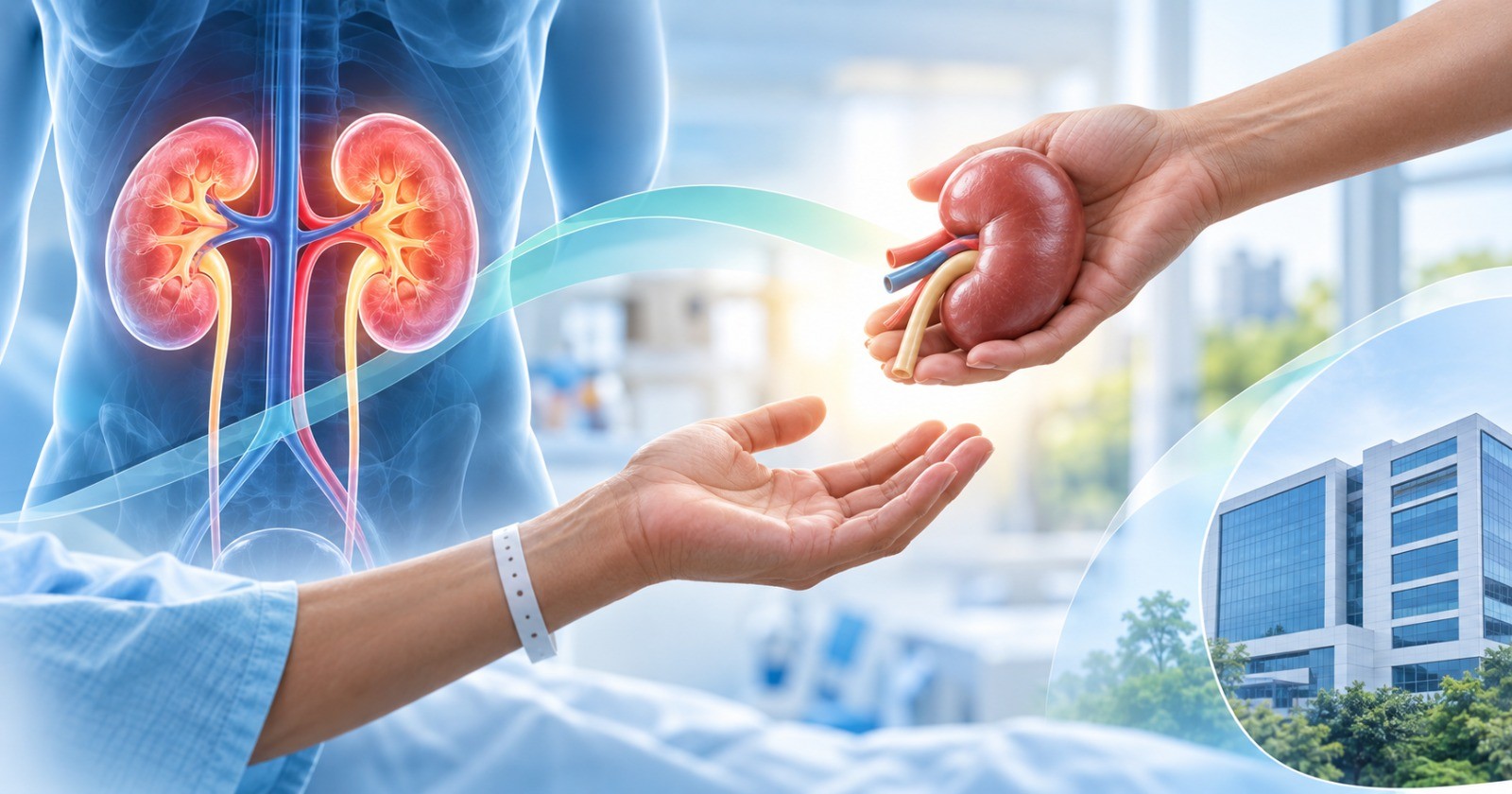
The Nephrology Department at KIMS-Arete Hospital offers ultra sophisticated facilities dedicated to diagnosing and treating not just kidney disease but various issues pertaining to kidney and urological issues including glomerular diseases, acute renal failure, chronic kidney disease and its complications, diabetes or autoimmune related kidney disease, and of urinary tract infections.
KIMS-Arete Hospital, being the best nephrology hospital in India extends renal care across all demographics of kidney disease, from the earliest detectable changes in kidney function to end-stage renal disease, as well as transplant support, and dialysis services. Advanced dialysis modalities which include hemodiafiltration, CRRT, peritoneal dialysis, etc are catered to all the types of nephrology diseases. Our dialysis units are designed to minimise discomfort and maximise patient comfort.
We prioritise prevention and early detection of nephrology disease symptoms and other kidney related issues through various diagnostic modalities such as abdominal ultrasound scans, CT scans, MRI scans, and Kidney Biopsy which aid in assessing kidney health and function. KIMS-Arete Hospital is dedicated to delivering comprehensive renal supportive care and expertise, ensuring the best possible outcomes for the patient’s kidney health and overall well-being.
Symptoms of Kidney Disease
- Unexplained Fatigue: One of the common symptoms in patients suffering from advanced kidney disease, fatigue (extreme tiredness, weakness or mental and physical exhaustion) negatively affects the quality of life and clinical outcomes. It reduces motivation and physical activity, in addition to general lethargy.[BM1.1] Various nephrology diagnostic tests are necessary to differentiate kidney related fatigue from other sources.
- Loss of Appetite: Approximately one third of patients undergoing chronic dialysis complain of reduced appetite, leading to poor patient outcomes. It could be due to the decline of glomerular filtration rate in chronic kidney disease patients. [BM2.1]
- Facial Puffiness and Ankle Swelling: Facial Puffiness transcends to puffy eyelids, which is commonly seen in nephrology diseases, especially with nephrotic syndrome. It is also accompanied by swelling in the legs, ankles, feet, lower abdomen, or other parts of the body, tiredness, loss of appetite, etc. [BM3.1]
- Frothing of Urine (foamy urine): While the normal urine is clear, with a yellowish tint, foamy urine is an indication of protein in the urine, which indicates that the filtration is impaired. This could be caused by a number of diseases, such as lupus, diabetes, etc. [BM4.1]
- Pus/Blood in Urine: Haematuria is the medical term for blood urine. The common causes include urinary tract infection (UTI), pyelonephritis, cystitis, kidney stones, etc. Pyuria is the medical term for pus in urine, which makes it cloudy and is commonly seen in urinary tract infection (UTI).
- Loin or Flank Pain (Lower Backache): Flank or loin pain from a nephrological perspective, it could be kidney pain (renal pain), which presents as discomfort near the kidneys. Despite the pain, it doesn’t always indicate renal problems, but it could indicate an issue somewhere in the urinary system.[BM5.1]
- Reduced Urine Output (oliguria): In many renal diseases, reduced urine output is commonly seen. If the adult is excreting less than 400-500 millilitres of urine per 24 hours, it is oliguria. It could arise due to hypovolemia (low blood volume), heart and lung conditions, or any vascular disease of the kidneys.[BM6.1]
- Lower Urinary Tract Problems & Incontinence: Incontinence is one of the most commonly expressed complaints in the nephrology department. It is a distressing complaint and may be due to lower urinary tract issues.
Nephrology Test List
- Renal function tests: These are done to assess the overall renal function which works on the principle of estimating the glomerular filtration rate. The results can show whether the renal disease is acute or chronic.[BM7.1]
- Blood tests: Blood tests from nephrological perspective can point out the presence of any organisms that may damage the kidneys such as hepatitis B, hepatitis C, AIDS etc. Blood levels of antibodies to special antigens can also help detect lupus, amyloidosis and multiple myeloma.
- Urinalysis: This is a widely used diagnostic tool to assist urologists in determining the exact cause of various acute or chronic pathologies. Various novel technological advances in urinalysis such as reflectometry, complementary metal oxide semiconductor (CMOS) technology, etc have promoted significant progress in urinalysis.[BM8.1] Kidney and urinary tract infections can also be detected in urine using microscopic analysis, culture and sensitivity studies.
- Glomerular Filtration Rate (GFR): This test is done to understand the filtering power of the kidney (how freely a substance is filtered through glomerulus). Normal creatinine clearance in adult male is 90-150 ml/minute or (1.73 BSA m2).
- Kidney Biopsy under Sonological Guidance: Kidney biopsy utilises the help of ultrasound imaging to remove a small portion of kidney tissue for lab analysis. It is necessary for the diagnosis of haematuria (blood in the urine), proteinuria (protein in the urine), kidney disease with no clear cause, unexplained kidney failure, kidney tumour, etc.[BM9.1]
- Ultrasound scanning: One of the commonest and most used non-invasive imaging studies, abdominal ultrasound uses the principle of high frequency sound waves to diagnose diseases such as hydronephrosis, polycystic kidney disease, kidney stones etc.
- Computed Tomography scan (CT scan): This non-invasive diagnostic imaging combines X-rays and computer technology to produce various angles of X-rays. CT scans of the kidneys can detect tumours, kidney stones, congenital anomalies, polycystic kidney disease, etc.[BM10.1]
- Magnetic resonance imaging (MRI scan): This MRI scan is a non-contrast imaging technique done to access certain tumours or cysts.
- MR angiography: This imaging technique utilises radio-contrast dye injected into a vein in the arm that is tracked through angiography. It is necessary to detect abnormalities in the blood vessels within the kidneys.
- Intravenous urography (IVU): In this test an iodinated contrast dye is injected into the veins which is detected through X rays or other imaging studies. This test detects the flow of the blood and urine formation in the kidneys.
- Scintigraphy: Radioactive isotopes are used to detect the abnormalities in the kidney.
- Renal Arteriography: A thin catheter is inserted into the femoral artery through an imaging study. Aneurysms (ballooning of a blood vessel), stenosis (narrowing of the vessel), or blockages can be detected through this test.
Subspecialties
- Glomerular Diseases: Early and precise diagnosis of glomerular diseases is vital to avoid progression to kidney failure. We specialise in addressing and treating the underlying causes including diabetes, autoimmune diseases, or any other genetic disorders.
- Diabetic Kidney Disease: We educate our patients about the effect of uncontrolled diabetes on the normal functioning of the kidneys and offer holistic support to prevent and manage diabetic kidney disease (DKD).
- Hypertension: Our experts use state-of-the-art techniques and tests to identify patterns in Blood Pressure and treat according to the established treatment approaches. We provide comprehensive support including stress reduction, lifestyle and dietary recommendations to help patients cope with the diagnosis.
- Haemodialysis: We provide haemodialysis services for acute and chronic renal failure. Specialised multidisciplinary team offers personalised care and continuous monitoring throughout the dialysis. Keeping safety and well-being in mind, we adhere to strict infection control practices. Our advanced dialysis unit is fully equipped to handle any medical emergencies.
- Chronic Kidney Disease (CKD) Complications: We are here to support the patient’s journey towards Renal health. We provide evidence-based treatment to prevent and manage complications of CKD including anaemia, bone disease, and all sequelae related to CKD.
- Pregnancy & Kidney Disease: Our committed team of specialists delivers thorough supportive care for renal health throughout pregnancy, providing holistic management for a range of kidney-related conditions such as pre-eclampsia, glomerulonephritis, renal insufficiency, acute kidney damage. Additionally, we provide preconception counselling for women with CKD who are contemplating pregnancy.
- Acute Kidney Failure: Our skilled Nephrologists manage acute kidney failure in ICUs and trauma/emergency settings and prevent further progress of renal damage.
- Autoimmune Related Kidney Disease: Certain autoimmune disorders such as lupus nephritis, Goodpasture's Syndrome etc., can lead to kidney damage. We provide diagnostic, follow-up, and therapeutic care to help manage this complex condition long term.
- Geriatric Care: We offer holistic treatment of age-related renal issues, including renal insufficiency, CKD, urinary incontinence and infections.
- Urinary Tract Infections: While promoting awareness on prevention of UTIs, we also provide advanced treatment of various UTIs including cystitis, urethritis and pyelonephritis.
- Pediatric Kidney Disease: At KIMS-Arete Hospital, our medical experts use cutting-edge technology to precisely diagnose and treat renal disorders in pediatrics including nephrotic syndrome, polycystic kidney disease, or renal diseases due to congenital abnormalities
Nephrology Diseases List
- Acute & Chronic Kidney Disease: If kidney problems develop suddenly, it is called acute kidney disease, and if they persist over the long term, they are called chronic kidney diseases. Various causes that create situations leading to the ailment include both diseases and medicines. [BM11.1]
- Urinary Tract Infections (UTI): When harmful germs (bacteria or viruses) invade the urinary tract, it can cause infection especially in women. This nephrology diagnosis is seen in at least 40% of females, and 12% of males may experience a UTI.
- Glomerulonephritis: This kidney disease is characterised by damaged glomeruli (tiny filters) within the kidneys. It can cause oliguria (reduced urine output) or haematuria (presence of blood in urine) or proteinuria (excess protein in the urine). Many mild cases are resolved with prompt treatment. If the condition becomes severe, it can lead to kidney failure.[BM12.1]
- Tubulointerstitial Nephritis: These are a group of inflammatory disorders which affect the renal tubules. It could be caused by infection, autoimmune diseases, allergic immunologic responses to certain drugs, etc. The disease could be treated from days to months.[BM13.1]
- Metabolic Bone Disease: Metabolic bone disease is a common complication of chronic kidney disease (CKD), in which the mineral metabolism is altered. The regulations of calcium and phosphorus are altered in the early course of CKD and progress as kidney function declines; if left untreated, these changes can have serious repercussions. [BM14.1]
- Kidney failure (renal failure): The most severe stage of kidney disease in which either one or both the kidneys no longer function. It is sometimes temporary and develops quickly (acute). The patients suffering from this fatal disease often survive a few days or weeks without treatment.[
Nephrology Treatment
- Post Renal Transplant Rejection and Infections: At least 70% of the kidney transplant recipients are likely to get an infection within the first three years of transplantation, which is among the 2nd biggest cause of death among transplant patients. Treating this condition is a tight rope walk as immunosuppressive agents are provided to avoid organ rejection, but, on the flipside, they risk infections in the recipient. The nephrologists at KIMS-Arete Hospital perform various procedures such as pretransplant screening, immunisations, and optimal antibacterial and antiviral prophylaxis to help reduce the impact of infection.[BM16.1]
- Blood Pressure and Diabetic Management Kidney Disease: About 40% of chronic kidney disease cases arise from complications of diabetes – diabetic kidney disease. Hypertension (high blood pressure) is a significant risk factor. The nephrologists at KIMS-Arete Hospital prescribe patient centric therapeutic plans (which include renin-angiotensin blocking medicines, glucose cotransporter 2, nonsteroidal selective mineralocorticoid antagonists, etc) to manage the disease and prevent progressive renal damage.
- [BM17.1]Management of Progressive Renal Failure: The nephrologists at KIMS-Arete Hospital play an active role in the management of patients with renal failure. Since the department of nephrology necessarily deals with early recognition of renal failure, we select the best nephrologists who understand the pitfalls of commonly used diagnostic tests to monitor the progression of the ailment. Tight control of hypertension, and dietary advice play important roles in delaying the progression of renal disease. [BM18.1]
- Treatment of Acute Poisoning: Poisoning can be done through various factors such as acid-base disturbances, electrolyte derangements, toxic alcohols, and few drugs. They can cause acute kidney injury. The Nephrology Department at KIMS-Arete Hospital is well equipped to deal with the diagnosis and treatment, of acute poisoning, which may require correction of acidosis, administration of selective enzyme inhibitors, or timely haemodialysis or hemadsorption.[BM19.1]
- Kidney Disease in Pediatrics and Pregnancy: In a normal pregnancy, there is an increase in blood flow to the kidney, but in pregnant women suffering from chronic kidney disease, the kidneys respond poorly to the increased renal blood flow as the kidneys are already impaired leading to further decline in renal function and bad pregnancy outcome. KIMS-Arete Hospital provide optimal management of kidney disease in pregnancy by combining the expertise of specialists in obstetrics, nephrology, urology, fatal medicine, and neonatology.[BM20.1]
- Plasmapheresis: This is the procedure to extract plasma from blood. Plasma for infusion is obtained from healthy individuals and used in the treatment of specific medical disorders. Plasma is removed when there are damaging circulating antibodies in conditions such as thrombotic thrombocytopenic purpura (TTP), renal transplantation, anti–neutrophil cytoplasm antibodies–associated vasculitis, cryoglobulinemia, focal segmental glomerulosclerosis, and Goodpasture syndrome. [BM21.1]
- Post Transplant Management: Kidney transplant patients face high co-morbidity due to pre-existing conditions and immunosuppression medications. They are at higher risk of developing conditions like hypertension, dyslipidaemia, diabetes, cardiovascular events, and anaemia. They are also susceptible to infections, cancers, and gastrointestinal complications. Prior to prescribing any new medications, the nephrologists at KIMS-Arete Hospital exercise extreme caution in identifying potential interactions with immunosuppression drugs before prescribing any.
Key Procedures and Technologies
Cutting-edge techniques and advanced technology are employed in the Nephrology Department to ensure the highest quality of care:
1) Advanced Haemodialysis Modalities: These innovative high-tech nephrology procedures have been incorporated at KIMS-Arete Hospital to improve the efficiency, effectiveness, of haemodialysis not compromising the comfort of the patient.
- Hemodiafiltration: Hemodiafiltration is a dialysis technique that combines the benefits of haemodialysis and hemofiltration and reduces discomforts associated with dialysis (headaches, cramps, nausea, hypotension etc.).
- Continuous Renal Replacement Therapy (CRRT): We employ continuous renal replacement therapy (CRRT), a non-stop, 24-hour Dialysis therapy to help patients with acute kidney injury (AKI) and fluid overload.
2) Peritoneal Dialysis: We offer peritoneal dialysis options to patients seeking increased flexibility, as it allows them to undergo treatment in the comfort of their homes without the necessity of frequent visits to a dialysis centre. there are two types of peritoneal dialysis techniques:
- Automated peritoneal dialysis (APD): done mostly at night
- Continuous ambulatory peritoneal dialysis (CAPD): done mostly throughout the day
3) Renal Transplant: Our experienced multidisciplinary team of nephrologists and healthcare professionals provide end-to-end care for renal transplants. Utilising our cutting-edge facilities and advanced equipment, we ensure the transplantation process is executed with consistent quality and the highest level of precision.
4) Kidney Biopsy: Renal biopsy is done on native kidney or a post-transplant kidney to diagnose glomerular dysfunction. Our state-of-the-art technique ensures precise diagnosis with minimally invasive methods.
5) Long Term Vascular Access: Vascular access is created before starting a dialysis so that the dialysis machine will connect to the bloodstream. Artery vein (AV) fistula, artery vein (AV) graft, and catheter are some of the long-term vascular accesses. Tunnelled catheters are designed with a cuff and placed underneath the skin making it more secure from being pulled out. Our team at KIMS-Arete Hospital does regular vascular access surveillance for longevity of the access and patient well-being.
6) Extracorporeal Therapies: We offer extracorporeal therapies for the treatment of poisoning, such as plasmapheresis, charcoal hemadsorption, hemofiltration, CRRT etc.