Why I Tell My Patients PCOS Isn't Just an Ovarian Problem.
- Dr Sukirti Misra, Consultant - Endocrinology
For years, we've understood Polycystic Ovary Syndrome (PCOS) mainly through irregular periods, excess androgen symptoms, and the appearance of polycystic ovaries on an ultrasound. It's the picture most women are handed the day they're diagnosed.
But is PCOS really just a disorder of the ovaries? Increasingly, as an endocrinologist in Thane, I see it as a complex endocrine and metabolic disorder that extends far beyond the ovaries.
PCOS is a complex condition that touches reproductive, hormonal, and metabolic health all at once. Women with PCOS may deal with menstrual irregularity, excess androgen activity, acne, unwanted facial hair, difficulty conceiving, weight-related concerns, and insulin resistance — often more than one of these at the same time. Many also carry a higher long-term risk of type 2 diabetes and other metabolic complications, which is exactly why this condition deserves a wider lens than "an ovary problem."
This broader understanding has sparked an important conversation around terminology.
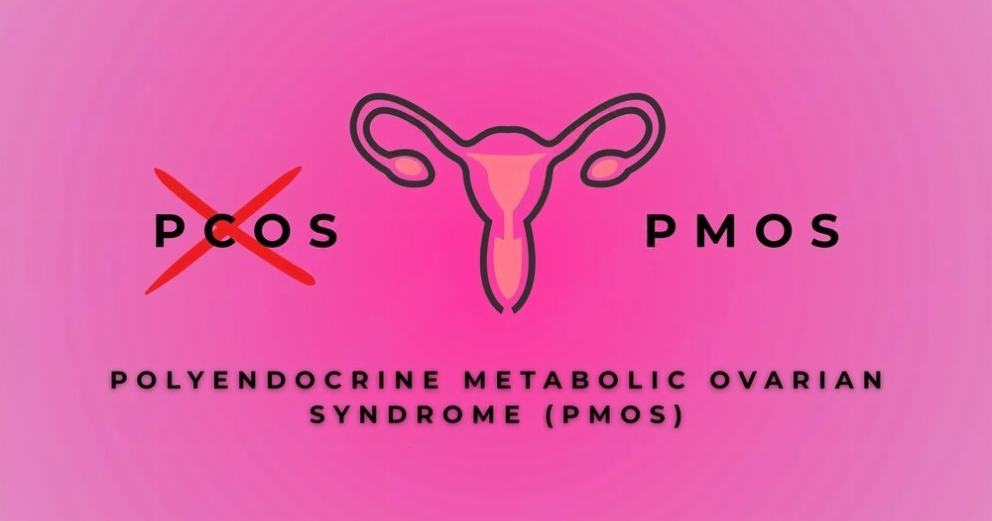
Introducing PMOS:
Polyendocrine Metabolic Ovarian Syndrome (PMOS) is a proposed way to describe this wider spectrum of disease. The name itself shifts our focus:
From the ovaries alone to the interaction between the ovaries, the endocrine system, and metabolism
From treating an irregular period as an isolated symptom to understanding the woman as a whole
From focusing only on fertility to considering long-term metabolic health as well
Why does this shift in perspective matter?
In my clinic, I meet women who arrive with one specific concern. One woman is troubled by irregular periods. Another is struggling with acne or unwanted facial hair. Someone else can't seem to lose weight, or has picked up signs of insulin resistance on routine blood work. And another has come in because she's been trying to conceive, without success.
On the surface, these look like separate problems. But in many women, they're different expressions of the same underlying endocrine-metabolic condition. That's exactly where the idea of PMOS becomes useful — it's a reminder that the ovaries are only one part of a much bigger picture.
PCOS is not simply about cysts
The term "polycystic ovary syndrome" causes more confusion than it solves, honestly. Having a polycystic appearance on ultrasound doesn't, by itself, mean a woman has PCOS. And a woman can absolutely have PCOS without her ovaries looking "polycystic" at all.
Diagnosis comes down to the overall clinical and biochemical picture, once other conditions with similar symptoms have been ruled out. An ultrasound is one piece of information — it should never be the entire diagnosis.
The metabolic connection
One of the biggest reasons to look beyond the ovaries is metabolism. Many women with PCOS have some degree of insulin resistance, though this isn't universal and shouldn't be treated as synonymous with PCOS itself.
Insulin resistance can push androgen activity higher and interfere with ovulation and cycle regularity. At the same time, excess weight and metabolic dysfunction can make the hormonal picture worse in women who are already predisposed to it. It becomes a two-way relationship between metabolism, hormones, and reproductive function — which is why checking glucose levels, blood pressure, lipid profile, weight, and other cardiovascular risk factors is such an important part of comprehensive PCOS care.
But PMOS shouldn't become just another label
Rethinking PCOS isn't about handing women a new label to carry around. It's about encouraging a more complete clinical perspective.
Not every woman with PCOS has insulin resistance. Not every woman has obesity. Not every woman struggles with fertility. And no two women carry quite the same combination of symptoms. PCOS is genuinely heterogeneous, which is exactly why care needs to be individualized rather than one-size-fits-all.
What should women with PCOS focus on?
Think beyond the ovaries.
Understand your menstrual health. Persistent irregular or infrequent periods deserve a proper evaluation, not just a "wait and see."
Look at your metabolic health. Blood glucose, lipids, blood pressure, and weight-related risk factors all matter.
Don't ignore androgen-related symptoms. Excess facial hair, acne, or thinning scalp hair can offer important clinical clues.
Think about your reproductive goals. Management looks different depending on whether pregnancy is currently on your mind or not.
Focus on sustainable lifestyle changes. Regular physical activity, balanced nutrition, adequate sleep, and healthy weight management where appropriate can support both metabolic and reproductive health.
Don't let the diagnosis define you. PCOS is manageable, and treatment should be shaped around your symptoms, your goals, and your long-term health — not a generic checklist.
Rethinking PCOS
Perhaps the most important shift isn't the name itself, but the way we think about the condition. PCOS isn't simply an ovarian problem — it sits at the intersection of reproductive endocrinology and metabolic health. Whether we keep calling it PCOS or start using newer terms like PMOS, the clinical goal stays the same:
To recognize the condition early. To understand the individual, not just the diagnosis. To address both present symptoms and future health risks. And to help every woman make informed decisions about her reproductive, hormonal, and metabolic health.
Because sometimes, changing the way we name a condition can genuinely change the way we see it — and the way we treat the person living with it.