Kidney Disease: Early Warning Signs
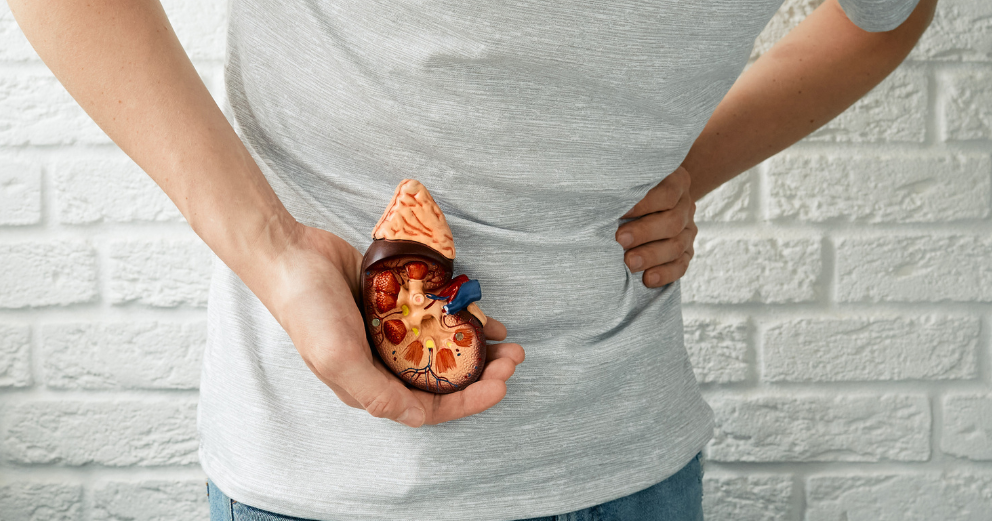
The kidneys are quiet organs. They filter around 180 litres of blood every single day, regulate blood pressure, balance fluid levels, and produce hormones that support red blood cell production, all without drawing any attention to themselves. This is precisely what makes kidney disease so dangerous. By the time most people notice something is wrong, significant damage has already occurred.
Many people with kidney disease have no symptoms at all. Others may notice mild symptoms that are easy to ignore. But the earlier kidney disease is found, the better the chances of slowing or stopping further damage. Recognising kidney disease early signs, and knowing which of them to take seriously, is what makes the difference between catching kidney disease at a manageable stage and discovering it when options are limited.
Why is kidney disease so often missed?
Kidney disease is often referred to as a silent condition because it can develop with little to no symptoms in its early stages. Many people with chronic kidney disease may not experience symptoms until significant kidney damage has already occurred.
The kidneys have a large functional reserve. They can continue performing their essential work even when their capacity is substantially reduced. This compensatory ability means that blood tests may not flag a problem until kidney function has declined considerably. It also means that when symptoms do appear, they tend to reflect more advanced disease rather than early-stage changes.
Early Warning Signs To Watch Out For
- Changes in urination
The most direct early clues often come from the urine itself. Changes in how often a person urinates, how much, and what the urine looks like can all reflect altered kidney function.
Foamy or bubbly urine is one of the more specific kidney function warning signs. Foamy urine can be an early sign of kidney disease. It indicates that protein is leaking from the kidneys into the urine, which a simple urine test can detect.
Healthy kidneys retain protein within the bloodstream. When the filtering units are damaged, protein escapes into the urine. This is called proteinuria, and it is detectable on a standard urine dipstick well before any symptoms appear.
Blood in the urine is another sign that should always be investigated. Healthy kidneys keep blood cells in the bloodstream. Their presence in the urine points to damage in the filtering structures. Needing to urinate more frequently, particularly waking at night to do so, and producing noticeably less urine than usual are also patterns worth reporting to a doctor.
- Swelling in the hands, feet, or face
When kidneys are damaged, there is fluid retention, which causes swelling in the hands, feet, ankles, or around the eyes. Healthy kidneys regulate the body's fluid balance precisely. When that balance is disrupted, fluid accumulates in tissues.
Puffiness around the eyes in the morning, shoes that feel tighter by the end of the day, or rings that no longer fit are all subtle manifestations of this. These symptoms can also result from heart or liver conditions, which is why medical assessment is needed to identify the source.
- Persistent fatigue
When kidneys do not work properly, they cannot filter out waste and toxins from the blood. This leads to feeling unwell and exhausted. Healthy kidneys produce a hormone called erythropoietin that signals the body to create red blood cells. With kidney disease, this hormone decreases, which leads to anaemia and extreme tiredness that does not improve with rest.
This kind of fatigue is qualitatively different from ordinary tiredness. It does not respond to sleep or rest in the usual way and is often accompanied by difficulty concentrating and a general sense of feeling unwell. For many patients, it is attributed to other causes for months before a kidney problem is identified.
- High blood pressure
The relationship between kidney disease and high blood pressure runs in both directions. Hypertension is one of the most common causes of kidney damage, and damaged kidneys in turn make blood pressure harder to control. Damaged kidneys cannot regulate blood pressure properly, and high blood pressure then damages kidney blood vessels further.
Anyone with poorly controlled or newly elevated blood pressure should have their kidney function checked as part of the assessment, particularly if other risk factors are present.
- Skin itching and changes in appetite
Persistent itching without a skin-based explanation is a less immediately obvious chronic kidney disease symptom, but a meaningful one. Extra phosphorus in the blood, which healthy kidneys would filter out, can lead to itching that feels like a crawling, prickling, or stinging sensation.
As waste products accumulate in the blood, some patients also notice a metallic taste in the mouth, a reduced appetite, or nausea without a clear cause. These symptoms reflect the broader impact of declining filtration capacity on the body's internal environment.
Who carries a higher risk
People with risk factors including high blood pressure, diabetes, heart disease, obesity, or a family history of kidney disease should be tested regularly with two simple tests: eGFR, which measures kidney filtration rate, and uACR, which checks for protein in the urine.
Diabetes and hypertension together account for the majority of chronic kidney disease cases. Both damage the tiny blood vessels within the kidney's filtering units over time. People with either condition should have their kidney function monitored at least annually, regardless of whether they have symptoms.
How kidney disease is detected?
The two standard tests for CKD detection are a blood test measuring estimated glomerular filtration rate, which indicates how efficiently the kidneys are filtering, and a urine test measuring the albumin to creatinine ratio, which identifies protein leakage. Both are simple, widely available, and can identify kidney disease at stages where intervention can still meaningfully change the outcome. Neither requires symptoms to be present.
Takeaways
Kidney disease early signs are subtle and easy to miss, which is why most people are diagnosed later than they should be. Kidney function warning signs including foamy urine, blood in the urine, swelling, persistent fatigue, poorly controlled blood pressure, and unexplained itching all warrant medical assessment.
Chronic kidney disease symptoms often appear only after considerable damage has occurred, making screening through eGFR and urine protein testing critical for anyone with diabetes, hypertension, or a family history of kidney disease. CKD detection at an early stage gives the best chance of slowing or halting disease progression before it reaches an irreversible point.