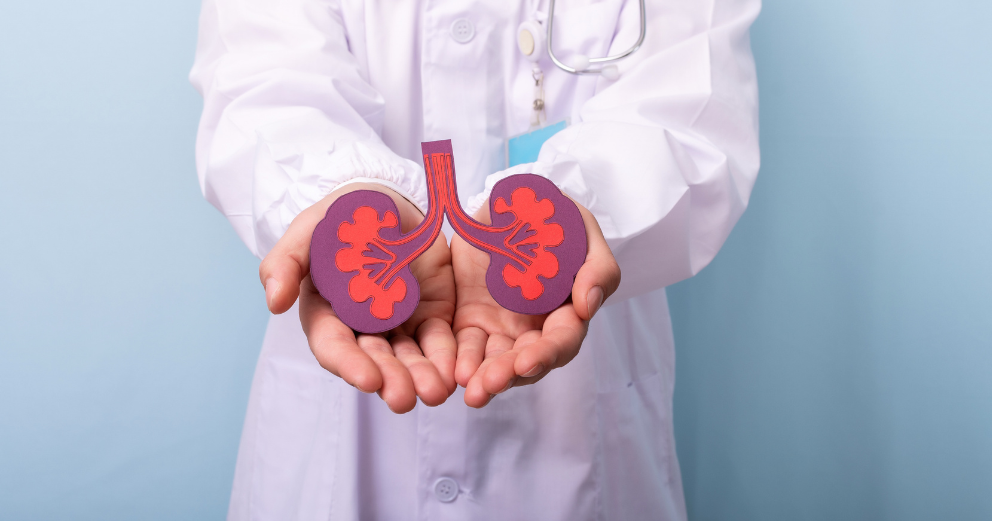
Understanding Kidney Transplant Eligibility
For patients with severe kidney disease, a transplant is the best long-term treatment. It provides a quality of life and life expectancy that dialysis, while life-sustaining, cannot match. But the path to transplantation isn’t automatic. It takes a rigorous assessment, a number of medical and practical requirements and, in many cases, a long wait. Understanding qualifying criteria helps patients and their families approach this procedure with realistic expectations and a clearer idea of what preparation involves.
Who is kidney transplantation intended for?
To be eligible to receive a kidney transplant, a patient must have chronic irreversible kidney disease that has not responded to other medical or surgical treatments, and must be either on dialysis or likely to require it in the near future.
Patients with end-stage kidney disease on dialysis, and those with advanced chronic kidney disease at stage 4 or 5 with a glomerular filtration rate below 20 millilitres per minute, are the primary candidates considered for kidney transplantation.
A pre-emptive transplant, done before dialysis becomes necessary, is clinically preferable when a suitable donor is available. Patients who receive a kidney before starting dialysis generally have better outcomes than those who have been on dialysis for an extended period.
Early referral to a transplant centre, before kidney function reaches the lowest thresholds, gives the evaluation process time to be completed before the situation becomes urgent.
What the evaluation process involves
Kidney transplant evaluation is thorough by design. A transplant is a major surgical procedure followed by lifelong immunosuppression, and the evaluation exists to confirm that the patient can safely undergo the operation and manage the demands of post-transplant care.
Kidney transplant surgery candidates must complete a thorough evaluation process. This typically includes a detailed medical assessment covering cardiovascular health, as heart disease is a leading cause of death after transplant and must be optimised before surgery.
Lung function, liver health and absence of active infection are also assessed. Blood type and tissue matching tests are performed to see if you are a match for possible donors. Imaging of the blood arteries of the pelvis and abdomen assists the surgical team in arranging the procedure.
In addition to the physical exam, a psychosocial evaluation is routinely performed. A psychosocial assessment is performed to assess the patient’s commitment to follow-up care and to ensure the patient has a strategy for caregiving. For transplantation, lifelong commitment to medication, regular monitoring and prompt response to any signs of rejection or infection are required.
The transplant team needs to be confident that the patient understands these demands and has the support systems in place to meet them.
Factors that affect eligibility
For kidney transplant eligibility, not every patient with advanced kidney disease will be approved. Certain conditions significantly complicate or preclude the possibility. Let’s understand who qualifies for kidney transplant.
- Patients may not qualify if they have health conditions like advanced heart, lung or liver disease, active cancer, poorly controlled diabetes or certain infections, or a history of not following through with a medical treatment plan.
- Active cancer is a contraindication in most circumstances, though patients who have been in remission for a defined period may be reconsidered.
- Severe heart or lung disease that makes the patient unable to tolerate major surgery is another significant barrier.
- Ongoing infection, including untreated tuberculosis or active hepatitis, must be managed before transplantation is considered.
- Active substance use is also a standard exclusion criterion, with transplant centres requiring documented abstinence before evaluation proceeds.
These are not absolute barriers in every case, and criteria differ between transplant centres. Patients who are told they do not currently meet eligibility criteria are often able to address specific issues and be re-evaluated at a later stage.
Living donor kidney transplant
A kidney can come from either a deceased donor or a living donor. Living donor kidney transplant is generally the preferred option where possible. It allows the transplant to be scheduled rather than awaited, reduces time on dialysis, and tends to produce better long-term outcomes because the kidney is healthier at the time of transplantation.
A living donor is typically a family member, spouse, or close friend who is willing to donate one of their two kidneys. The donor undergoes their own thorough medical and psychological evaluation to confirm they can safely donate without significant long-term risk to their own health.
Blood type compatibility between donor and recipient is required, though paired exchange programmes allow incompatible donor and recipient pairs to be matched with other compatible pairs, expanding the pool of available living donors.
The waiting list for deceased donor transplants
Patients approved for transplantation who do not have a suitable living donor are placed on a national waiting list for a kidney from a deceased donor. The waiting time varies based on blood type, sensitisation to donor antigens, time on the waiting list, and geographic region.
Once on the waitlist, a patient could receive a kidney from any organ donor as long as they are a good match, and it is important to keep communicating with the transplant centre as health and goals may change over time.
Patients are encouraged to explore living donation options while on the waiting list, as this is the most reliable way to reduce time to transplantation.
Takeaways
To qualify for a kidney transplant, you have to undergo an evaluation to ensure you’re medically, psychologically and socially prepared. Who qualifies for a kidney transplant is a patient with end-stage kidney disease or severe chronic kidney disease with a GFR less than 20, whether they are on dialysis or nearing dialysis.
Living donor kidney transplant is the recommended route if possible, as it gives better outcomes and shorter waiting periods compared to deceased donor transplantation. Kidney transplant evaluation should begin early, ideally before dialysis becomes necessary, to allow the process to be completed without time pressure and to maximise the chance of a pre-emptive transplant.