

Obstetrics and Gynaecology

The Gynaecology Diagnosis List

  1. Uterine fibroids: Benign outgrowths that occur in the reproductive years (peaking between 35 and 40 years of age). They often may cause abnormal uterine bleeding, abdominal pain, increased abdominal girth, etc.
  2. Ovarian Cyst: Common gynaecology problems that are usually harmless, but up to 10% of women go under the knife in their lifetime. The goal of management requires the determination of the underlying pathology to understand the risk the patient faces for further treatment.
  3. Acne: A common skin disease characterised by the clogging of hair follicles under the skin. The sebum oil plugs the skin pores, causing pimples, lesions, etc. Most often, these are seen on the face, the back, the chest, and the shoulders.
  4. Facial Hair: Few women have unwanted facial hair. They may experience a high psychological burden, which is a neglected element of care. Usually, it is seen in patients suffering from polycystic ovary syndrome. Treatment options include plucking, waxing (including the sugar forms), depilatories, bleaching, shaving, electrolysis, laser, intense pulsed light (IPL), and therapeutic administration. 
  5. Endometriosis: Pain in the pelvic area accompanied by infertility issues that arise due to the formation of endometrial tissue outside the uterus. The endometrial tissue in normal conditions should form inside the uterus.
  6. Adenomyosis: In this gynaecologic disorder, the endometrial tissue in the uterine lining grows into the uterine muscle wall, causing uterine enlargement resulting in severe menstrual flow.
  7. Infertility: Infertility among women could be due to various prevalent gynaecological problems such as polycystic ovary syndrome, under- and overweight, diabetes, thyroid disorders, and other endocrinopathies. Arete Hospitals developed strategies and preventative measures from a patient care perspective to reduce or prevent unfavourable outcomes and treat infertility.
  8. Perimenopausal Hormonal Issues: During the perimenopausal state, there could be various symptoms disturbing the quality of life, such as sleep disorders, vaginal dryness, irregular menstruation, mood changes, hot flashes, night sweats, decreased libido, headaches, breast tenderness, etc. Patients can be treated with hormonal therapy.
  9. Urinary Issues—Infection & Incontinence: Urinary incontinence symptoms are highly prevalent among women, demonstrating a substantial effect on quality of life. There are two types of incontinence in women—stress urinary incontinence (urine leaks in association with physical exertion) and urgency urinary incontinence (urine leaks in association with a sudden compelling desire to urinate).
  10. Thin Endometrium: Endometrial thickness is a predictive factor for pregnancy after in vitro fertilisation (IVF). Endometrial thickness is measured by transvaginal ultrasound, and if it is <7 mm, then it is a thin endometrium, which has lesser chances of pregnancy.[BM37.1]
  11. Decreased Ovarian Reserve: Diminished ovarian reserve is a reduction in the quantity and/or quality of oocytes (eggs), leading to infertility. This condition may begin at age 30 or even earlier. 
  12. Perimenopausal Hormonal Issues: With age, the number of primordial follicles in their ovaries also decreases, causing menopause and a series of symptoms. It becomes a significant and challenging task to address menopause-related issues for women. The hormone therapy can address 70–90% of perimenopausal symptoms. Menopausal hormone therapy is currently the main treatment for menopause-related symptoms, but it is not the only treatment. There is also general therapy and non-hormonal therapy to reduce perimenopausal symptoms. At Arete Hospitals these treatment modalities are delivered through a patient-centric approach.
  13. Obstetric morbidity: Also called maternal morbidity, this condition is usually seen after pregnancy or during its management. It is also called “severe acute maternal morbidity.
  14. Ectopic pregnancy: Usually, a fertilised egg gets implanted within the uterus. In some cases, the egg gets implanted outside of the uterus, most commonly in either of the fallopian tubes, which do not have the structural integrity to support a growing embryo. This condition can lead to bleeding in the birth mother. An ectopic pregnancy is a life-threatening condition that requires emergency treatment.
  15. Placental abruption: This is the condition of pregnancy in which the placenta separates from the uterus. It could be due to abdominal trauma, such as from a fall or accident, etc. Symptoms can include bleeding and abdominal pain, etc.
  16. Miscarriage: Also called a spontaneous abortion, this is the condition of unexpected termination of pregnancy that usually happens within the first 20 weeks of gestation.
  17. Gestational Diabetes: It is the condition of a pregnant mother developing diabetes (high blood sugar). It usually occurs when the hormones from the placenta block insulin production in the mother’s body. Gestational diabetes can lead to pregnancy complications and is usually seen during the middle of pregnancy, i.e., 24-28 weeks.
  18. Preeclampsia: This is the condition of high blood pressure developing during pregnancy. Preeclampsia can cause high levels of protein in urine, indicating kidney damage. It may begin after 20 weeks of pregnancy. This condition must be treated, as it could lead to serious—even fatal—complications for both the mother and baby.
  19. Placenta Previa: This condition describes the abnormal placement of the placenta, blocking either the entire or a part of the cervix during the last months of pregnancy, thus complicating the pregnancy.
  20. High-risk pregnancies: While all pregnancies carry risks, it must be understood that a high-risk pregnancy is any pregnancy that carries increased health risks. It could be for the baby, the mother, or both. People with high-risk pregnancies may need extra medical care before, during, and after they give birth. This helps to reduce the possibility and severity of complications. A few of the conditions that can render high-risk pregnancies include autoimmune diseases, diabetes, high blood pressure, HIV/AIDS, kidney disease, obesity, etc.

Our team of

Expert Doctors

profile photo ofDr. Velaga Sirisha
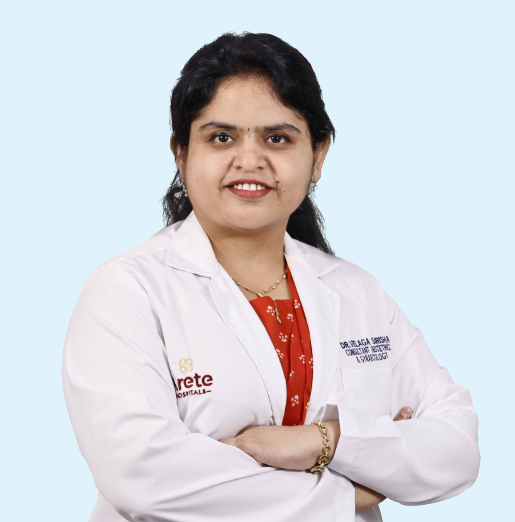
Dr. Velaga Sirisha Consultant - Laparoscopic Surgeon, Urogynecologist & Reconstructive Pelvic Surgeon

profile photo ofDr. Sindura Ganga R
Dr. Sindura Ganga R Consultant - Obstetrics, Gynaecology and Laparoscopic Surgeon

profile photo ofDr. Manjula Anagani
Dr. Manjula Anagani Clinical Director & HOD - Obstetrics, Gynaecology, Laparoscopic & Robotic Surgeon

BOOK AN APPOINTMENT

FIND A DOCTOR

Footer Loading...