
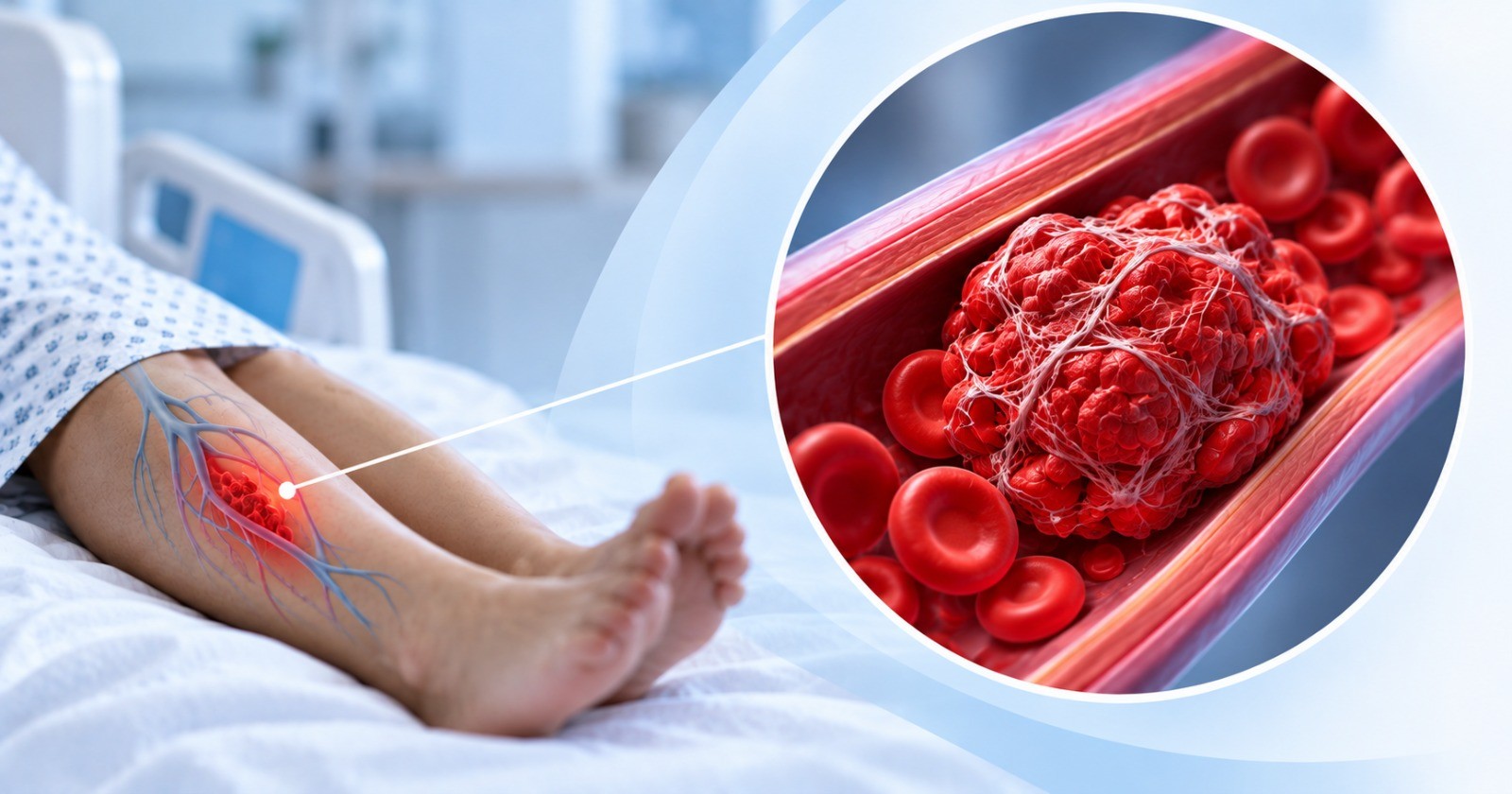
VTE Prophylaxis in the Acutely Ill: Who, When, and With What?
THE
CLOT WE DREAD—AND CAN PREVENT
VTE
Prophylaxis in the Acutely Ill: Who, When, and With What?...
Read More...

Cardiology
Procedures
1. Coronary angiogram: This diagnostic tool is among the first choices to identify, diagnose, and confirm atherosclerotic coronary artery disease.
2. Coronary angioplasty: This interventional procedure is used to widen the blocked or narrowed coronary arteries (the main blood vessels supplying the heart). The combination of coronary angioplasty with stenting is usually referred to as percutaneous coronary intervention (PCI).
a. Primary Percutaneous Coronary Intervention (PPCI): Through this procedure, the narrowed coronary arteries of the heart can be treated. This is mostly done in patients suffering from angina and heart attacks (in emergencies like ST-elevation myocardial infarction (STEMI)). If ischaemia is ongoing even in 12-24 hours after symptom onset, PPCI is done. It is also done within 60-90 min of hospital arrival.
b. Multivessel percutaneous coronary intervention (Multivessel PCI): This procedure involves the treatment of multiple blockages in the coronary arteries done within a single session.
c. Complex percutaneous coronary intervention (Complex PCI): Complex PCI is commonly used in various cardiac diseases such as
i. Bifurcation lesion
ii. Chronic total occlusion (CTO)—blockages present in coronary artery for 3 months or more
iii. Blockage in the left main coronary artery (LMCA)
iv. Calcified diseases such as coronary artery calcifications (through rotablation, intravascular lithotripsy, orbital atherectomy)
d. Imaging PCI using IVUS and OCT: Intravascular imaging modalities such as intravascular ultrasound (IVUS) and optical coherence tomography (OCT) were developed to better visualise coronary anatomy, enhancing percutaneous coronary intervention (PCI) procedures.
3. Device therapy: There are various devices that help in the regulation of heartbeats. They include:
a. Pacemaker: In patients suffering from conditions such as complete heart block, etc., a pacemaker may be incorporated to restore normal cardiac rate and rhythm. There can be temporary or permanent pacemakers.
b. Automated internal cardiac defibrillator (AICD): Also called the shock box, or Implantable Cardioverter Defibrillator (ICD), the automated internal cardiac defibrillator is a device to treat arrhythmias mostly from ventricular origin, such as ventricular tachycardia and fibrillation. It is the first line of defence among in high-risk patients for sudden cardiac death (SCD) and demonstrated consistent survival benefit in cardiac arrest survivors (SCA).
c. Cardiac resynchronisation therapy (CRT-P/D): In heart failure patients who have developed arrhythmia, cardiac resynchronisation therapy (CRT) may be given. It can either involve the implantation of a half-dollar-sized pacemaker (P) just below the collarbone, and the wires are connected to detect heart rate irregularities. Research demonstrated that cardioverter defibrillators for CRT therapy (CRT-D) are better than pacemakers in terms of morbidity, symptom reduction, and survival. Many times, CRT-D is favoured over CRT-P.
4. Procedures to Treat Structural heart diseases
a. Congenital diseases: Through cardiac closure devices the abnormal openings of the heart, such as atrial septal defect (ASD), ventricular septal defect (VSD), and patent ductus arteriosus (PDA), can be closed. In such cases cardiac catheterisation studies are also done along with echocardiograms and MRI scans. In patients suffering from congenital pulmonary stenosis (the pulmonary valve in the heart doesn’t fully open), congenital pulmonary valvuloplasty is done. Similarly, aortoplasty is done for coarctation of the aorta.
b. Valvular diseases: Interventional techniques such as
i. Transcatheter Aortic Valve Implantation/Replacement (TAVI/TAVR) is done for aortic valve stenosis
ii. Transcatheter Mitral Valve Replacement (TMVR) & Transcatheter mitral valve repair with MitraClip for mitral regurgitation (MR)
iii. TricValve® for tricuspid valve regurgitation.
c. Other: Stroke patients with non-valvular atrial fibrillation are treated with left atrial appendage (LAA) closure.
5. Intra-aortic balloon pump (IABP): A long, skinny balloon to regulate blood flow via the aorta (biggest blood vessel). When the heart pumps, the device shrinks, allowing blood to travel throughout the body. Then it expands as the heart relaxes to maintain more blood. Commonly used in cardiogenic shock as a temporary mechanical circulatory support, bypass surgery, and during percutaneous coronary intervention (PCI), etc.
6. Pericardiocentesis: Invasive procedures requiring hospitalisation that necessitate the drainage and analysis of pericardial fluid present around the heart. This procedure is commonly rendered for cardiac tamponade, effusive constrictive pericarditis, etc.
7. Invasive hemodynamic monitoring in emergency situations: Invasive hemodynamic monitoring is commonly seen to improve outcomes in conditions such as decompensated heart failure, myocarditis, acute decompensated heart failure (ADHF), etc.
a. Swan-Ganz catheter insertion: common operational management in borderline left ventricular function, particularly in patients undergoing cardiac surgery.
b. Central line catheter insertion: This procedure is usually done during the initiation of extracorporeal therapies, such as haemodialysis, plasmapheresis, and continuous renal replacement therapy.
While it is not easy to change the mindset of patients towards committing to regular physical activity, diet, and proper weight maintenance, despite overwhelming research studies, the cardiologists at KIMS-Arete Hospital believe in the concept of “primordial” prevention (preventing risk factors from occurring in the first place) and take steps to execute it.
The concept of KIMS-Arete Hospital being patient-centric healthcare was initiated since its inception, as evidenced by the incorporation of process-orientated structural design. While this design has been evident in increasing the quality of care and reducing costs, in practice only a few hospitals have up till now opted for such a redesign, and KIMS-Arete Hospital is one of them.
In such process-based design, the structure is built around patient needs. The spacious hallways for aeration and lengthy windows for flooding of natural light are a part of the same process-based design, serving the patients in achieving their health back.
Since KIMS-Arete Hospital goes the extra mile to identify the patient in need of primordial prevention, thus constructing ideal cardiovascular health in its patients, KIMS-Arete Hospital has been quickly recognised as the best cardiology hospital in Hyderabad.
Our team of
See