The Hot Plaque
Beyond Blockages: Can We See an Artery Before It Becomes Dangerous?
By Dr. Anup Taksande, Clinical Director - Cardiology & Interventional Cardiology
Not every plaque is equally dangerous.
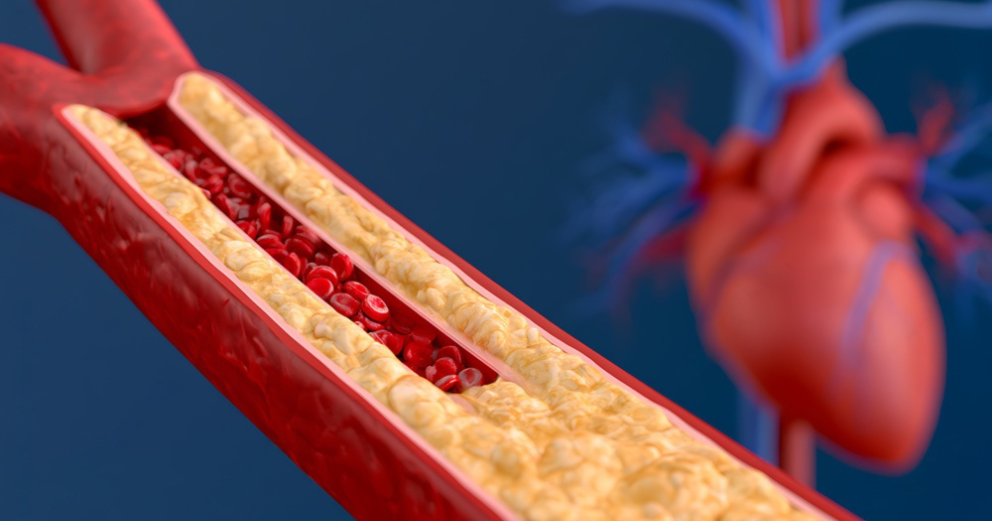
"Doctor, how much is the blockage?" I've been asked this question more times than I can count, and for decades, it was really the only question that mattered—to patients and, honestly, to a lot of us cardiologists too. But the more we learn about coronary disease, the clearer it becomes that the percentage of narrowing is only part of the picture. Two plaques can both cause a modest 30–40% narrowing and still behave in completely different ways biologically. What actually matters isn't just how narrow the artery has become—it's how much plaque is sitting there, what it's made of, and how "active" the underlying disease really is.
This is exactly where CT Coronary Angiography (CCTA) is starting to change the conversation in cardiology. A calcium score can tell us about calcified plaque, but CCTA goes further—it lets us visualise non-calcified plaque too and pick up features linked to higher vulnerability, like low-attenuation plaque, positive remodeling, spotty calcification, and the so-called napkin-ring sign. In the landmark SCOT-HEART analysis, patients who had these adverse plaque features carried roughly a three-fold higher risk of coronary death or a non-fatal heart attack over five years. Low-attenuation plaque burden, in particular, has since turned out to be one of the strongest predictors we have for future heart attacks. (JACC)
But the part I find genuinely fascinating is that we can now look beyond the plaque itself and check for inflammation around the coronary artery. An inflamed artery actually changes the biology of the fat surrounding it—almost leaving behind an inflammatory fingerprint. Newer CT-based techniques such as the Fat Attenuation Index (FAI) pick up on these changes in perivascular fat, giving us a window into ongoing coronary inflammation. To be clear, this doesn't mean we can predict exactly which plaque will rupture tomorrow. What it does is add another layer to how we understand the biological activity of atherosclerosis in a given patient.
This matters especially for South Asians, a population that tends to develop coronary artery disease at a younger age and whose true cardiovascular risk isn't always captured well by the standard risk calculators we use. A 2026 JACC: Asia review raised a concerning point—younger South Asian patients can harbour non-calcified or high-risk plaque even when their calcium score reads zero or close to it. Tools like AI-based plaque quantification, high-risk plaque analysis, FAI, and CT-FFR are opening the door to a much deeper kind of cardiovascular phenotyping—moving us from simply "detecting" disease to actually understanding it. That said, these are not meant to be used as blanket screening tools for every healthy person walking through the door. Their real value comes from careful, thoughtful patient selection. (JACC)
And there's an equally important lesson buried in all of this. Finding a "hot plaque" doesn't mean we should rush to stent every vulnerable-looking lesion we find. Atherosclerosis is a disease of the entire vascular system—not one troublesome spot waiting to be fixed. When we identify high-risk plaque biology, it should push us to think harder about the patient as a whole and to double down on the prevention strategies we already know work: lowering LDL, controlling blood pressure and diabetes, quitting smoking, staying active, managing weight, and adding further preventive therapy where it's genuinely needed.
I like to think of coronary prevention as a continuum now:
PREVENT tells us the risk.
CAC tells us whether calcified atherosclerosis is present.
CCTA shows us the plaque.
High-risk plaque features tell us about its phenotype.
FAI may tell us something about the inflammation surrounding the artery.
CT-FFR tells us whether a lesion is functionally significant.
For decades, cardiology searched for the tightest blockage. The next frontier, I believe, is identifying the patient whose atherosclerosis isn't just present but biologically active.
Because sometimes, the plaque that worries us most isn't the one causing the biggest blockage.
If you're concerned about your heart health or have a family history of early coronary disease, it's worth having a proper conversation with a specialist rather than going by a single number on a report. If you're looking for the best cardiologist in Thane, the cardiology team at KIMS Hospitals, Thane, offers advanced diagnostic evaluation and comprehensive heart care to help you understand your risk—and act on it early.