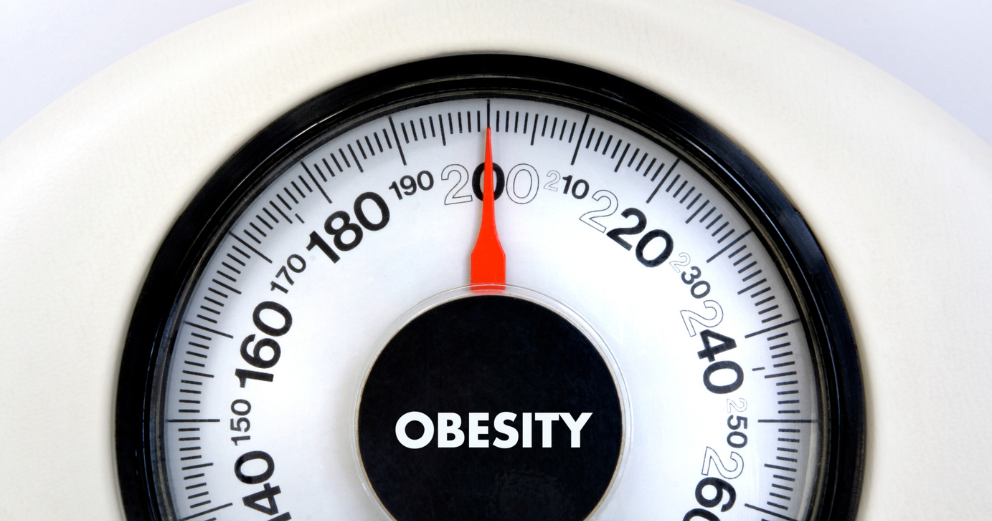
How Does Obesity Affect Your Heart Health?
Most people understand that obesity is not good for health in a general sense. What fewer people understand is how directly and specifically excess body fat damages the heart, and how early in the process that damage begins. This is not a future risk that can be deferred until the scale shows a more worrying number. The cardiovascular consequences of obesity start well before anyone has labelled a patient as having heart disease.
How Excess Weight Damages the Heart
Obesity and heart health are connected through several distinct but overlapping mechanisms, each of which operates independently and compounds the others.
Fat tissue, particularly visceral fat concentrated around the abdominal organs, is not passive. It actively produces inflammatory proteins called cytokines that drive sustained, low-grade inflammation throughout the body. This inflammation further damages the inner lining of blood vessels, the endothelium, accelerating the atherosclerotic process through which plaques build up inside coronary arteries. A heart fed by narrowed, inflamed coronary arteries is a heart working under constant stress.
Obesity also drives insulin resistance. When cells stop responding correctly to insulin, the pancreas adjusts by making more. Higher insulin levels raise blood pressure, cause the kidneys to retain salt, and stimulate the sympathetic nervous system, increasing the activity of the heart. This continued pressure causes the heart wall to thicken over time. This is called left ventricular hypertrophy, and puts the person at greater risk for heart failure and arrhythmia.
The Conditions That Connect Obesity to Cardiac Risk
In South Bengaluru, knowledge of the cluster of conditions driven by obesity is clinically important for patients seeking cardiac risk assessment. Obesity is seldom found alone. It is linked with hypertension, type 2 diabetes, high triglycerides, poor HDL cholesterol and, in many cases obstructive sleep apnoea. These factors together are known as metabolic syndrome and together they increase the risk of cardiovascular disease way more than any one factor alone.
A person who has both obesity and hypertension is about three times as likely to develop coronary heart disease as someone who has neither. Put type 2 diabetes into that picture and the risk rises.
It is worth to emphasise atrial fibrillation, the most frequent sustained heart arrhythmia. Studies reveal that with every 5-unit increase in BMI, the incidence of atrial fibrillation rises by about 50%. The chamber mainly implicated in atrial fibrillation is the left atrium and obesity triggers structural alterations via a combination of haemodynamic stress and direct fat infiltration in the heart muscle.
What Losing Weight Actually Does to the Heart
Intentional weight loss has measurable cardiovascular advantages and they have been seen with modest weight loss. Losing 5-10% of body weight results in substantial reductions in blood pressure, fasting glucose and lipids. The bulk of the left ventricle, which is increased with the strain of obesity, decreases with weight loss. CRP levels (a marker of systemic inflammation) are decreased. The severity of sleep apnoea reduces, minimising the nocturnal cardiovascular stress that is caused by untreated sleep apnoea.
Recent large clinical trials using GLP-1 receptor agonists have demonstrated reductions in severe adverse cardiac events, including myocardial infarction and cardiovascular death, that exceed the effects of glucose lowering alone. This implies direct cardiovascular effects of fat reduction, independent of the metabolic changes it induces.
When to Seek Assessment
For anyone living in Electronic City, Bengaluru or the surrounding areas of South Bengaluru who carries significant excess weight and has one or more additional risk factors including elevated blood pressure, abnormal blood sugar, or a family history of cardiac disease, a cardiovascular risk assessment is the right starting point rather than a response to symptoms.
The heart does not always announce the damage it is accumulating. Blood pressure can be elevated for years without producing symptoms. Coronary artery narrowing can be significant before it causes chest pain. And atrial fibrillation can be entirely silent until it produces a stroke.
At KIMS Hospitals, Electronic City, our cardiac health team in South Bengaluru provides obesity-related cardiovascular risk assessment and works alongside our obesity clinic and endocrinology team to address the problem at its source rather than managing each cardiovascular risk factor in isolation.
Conclusion
Obesity and heart disease risk do not follow a simple threshold above which damage begins. The process is continuous and cumulative. But so is the benefit of change. Every kilogram lost, every blood pressure point brought down, every blood glucose reading that moves toward the normal range is a cardiovascular gain. The connection between what a patient does about their weight today and what their heart is doing in ten years is direct and well-established. It is also actionable, and the earlier it is acted on, the wider the range of options available.
If you have concerns about your weight and its effect on your heart, speak to the team at KIMS Hospitals, Electronic City Bengaluru. The right place to start is an assessment, not a crisis.