Acne & Acne Scar Management: A Personalized, Evidence-Based Approach
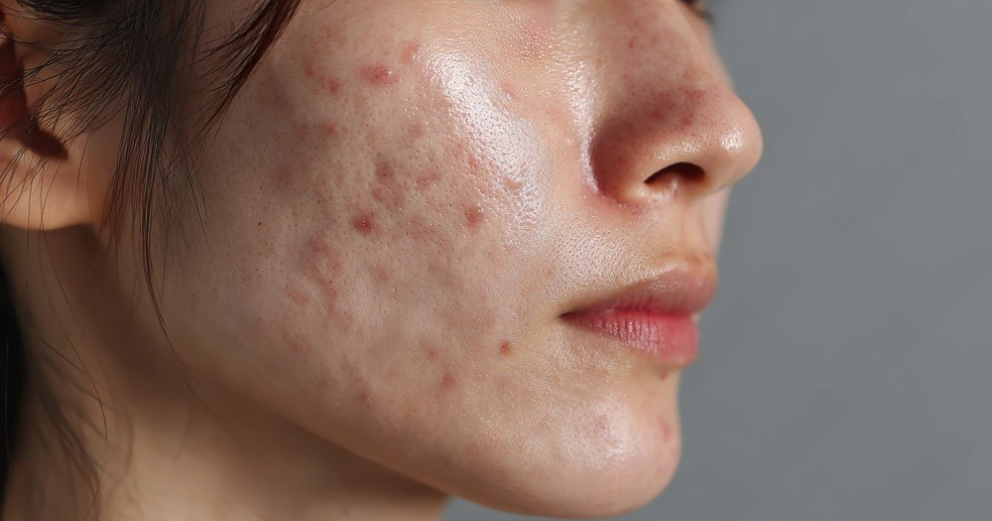
Acne is more than a cosmetic concern—it's a chronic inflammatory skin condition that, left untreated, can leave behind marks that last far longer than the breakout itself. As a dermatology specialist, I see this pattern often in my clinic: patients who managed their acne on their own for years, only to be left with scars that are much harder to treat than the original pimples ever were. That's why effective management always starts the same way—get the active acne under control first, then build a tailored plan to deal with whatever scarring or pigmentation is left behind.
Why One Treatment Doesn't Fit All
Not all acne scars look—or behave—the same way. Some are narrow and deep (ice-pick scars), some are broad with sharp edges (boxcar scars), and others create a wavy, uneven texture (rolling scars). Each type responds differently to treatment, which is exactly why there's no single "best" procedure that works for everyone. The right approach depends on the scar type, the condition of the surrounding skin, and what the patient realistically wants to achieve.
Treatment Options We Consider
Depending on what the clinical evaluation shows, a treatment plan may draw from:
Medical management to bring active acne under control
Chemical peels for acne and the post-inflammatory pigmentation it often leaves behind
Microneedling and Radiofrequency Microneedling (MNRF) to stimulate collagen production
Fractional laser resurfacing to smooth out texture irregularities
Subcision for rolling scars that are tethered to deeper tissue
Regenerative therapies, such as PRP or skin boosters, for select patients
The Real Key to Good Results: A Comprehensive Plan
If there's one thing I'd want every patient to walk away understanding, it's this—successful acne scar treatment is rarely about one procedure. It's about a well-thought-out combination of treatments, spaced out over time, matched to your specific skin and scarring pattern. Significant improvement is absolutely achievable, but it comes with realistic expectations and a bit of patience through the staged process.
Personalized Care at KIMS Hospital, Thane
At KIMS Hospital, Thane, we discuss treatment options only after a thorough clinical evaluation of every patient. This allows us to develop a truly personalized protocol, rather than a cookie-cutter package, and to achieve smoother, healthier-looking skin with results that look natural, not "done."
Healthy skin is not achieved overnight but through accurate diagnosis, scientific treatment, and constant care.