Arthroscopic Meniscus Surgery: What It Is, How It Works and What to Expect
Introduction
The knee is one of the most mechanically demanding joints in the body, and the meniscus is one of its most frequently injured structures. A torn meniscus from a sudden twist during sport or a slow degenerative process with age can produce pain, locking and swelling that does not settle with rest. Arthroscopic meniscus surgery is the standard surgical approach when conservative management has not resolved the problem.
What is Arthroscopic Meniscus Surgery?
The meniscus is a C-shaped wedge of fibrocartilage sitting between the femur and tibia on both the medial and lateral sides of the knee. It distributes load, absorbs shock, and provides rotational stability. Each knee has two: the medial meniscus, which is larger and more firmly attached, and the lateral, which is more mobile.
Arthroscopic meniscus surgery uses a small camera - an arthroscope inserted through a tiny incision, with operating instruments introduced through one or two additional portals of 5 to 7 mm. The surgeon views the joint interior on a monitor and works without opening the knee. Compared to open surgery, this means less tissue disruption, lower infection risk, and substantially faster recovery.
Symptoms That May Require Meniscus Surgery
Not every meniscus tear requires surgery. The decision depends on the tear pattern, patient age and activity level. It also depends on whether symptoms persist after physiotherapy and activity modification. There are some common presentations that lead to surgical referral. These are:
- Mechanical locking - the knee catching or becoming stuck in a position, usually from a bucket-handle tear that has displaced into the joint
- Persistent medial or lateral joint line pain with activity that has not responded to 6 to 12 weeks of conservative management
- Recurrent swelling with twisting or loading activities
- MRI-confirmed tear pattern in a younger, active patient where repair is feasible.
What Causes Meniscus Tears?
Acute tears occur from sudden twisting with the foot planted. It is common in football, basketball, badminton, and cricket. The medial meniscus is more often torn because of its fixed attachment to the medial collateral ligament. Degenerative tears are a different mechanism: gradual fibre failure with age, often on minimal provocation.
Diagnosis
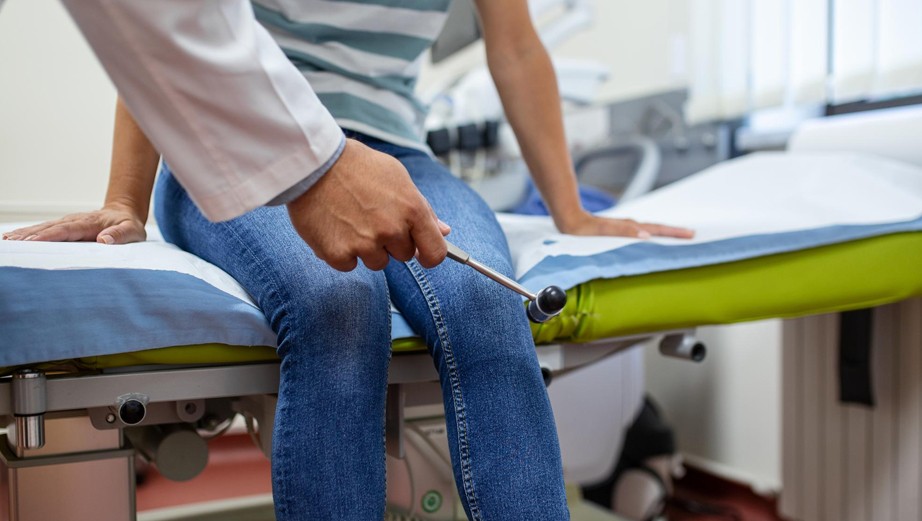
Clinical examination includes:
- The McMurray test (hip and knee flexed with varus or valgus stress while rotating the tibia) which reproduces pain or a click at the joint line in positive cases.
- The Thessaly test at twenty degrees of knee flexion has higher sensitivity for degenerative tears.
- MRI is the imaging standard. It identifies tear location (anterior horn, body, posterior horn), pattern (radial, horizontal, bucket handle, root) and whether the tear extends to the articular surface. These details determine whether repair is technically feasible or partial meniscectomy is the appropriate option.
Arthroscopic Meniscus Surgery: The Procedure
Two main procedures are performed arthroscopically, and the choice depends on the tear pattern and tissue quality.
Partial meniscectomy: Removes only the torn, unstable fragment rather than the entire meniscus. It is the most common meniscal procedure. The goal is to create a stable, smooth meniscal rim. It is appropriate for degenerative tears, complex tears in the avascular inner zone where healing cannot occur, and horizontal tears in older patients. Recovery to full activity is typically 4 to 6 weeks.
Meniscus repair: Reattaches the torn segment using sutures placed arthroscopically. Repair is preferred in younger patients with tears in the vascular outer third (red zone), bucket-handle tears with viable tissue, and tears associated with ACL reconstruction. Recovery is longer and takes 4 to 6 months to return to sport, because the repaired tissue must be protected while it heals.
Recovery After Arthroscopic Meniscus Surgery
Partial meniscectomy: Weight-bearing as tolerated from day one, crutches discarded within a few days, return to office work in 1 to 2 weeks & sport in 4 to 6 weeks. Physiotherapy focuses on regaining range of motion and quadriceps strength.
Meniscus repair: Protected weight-bearing for 4 to 6 weeks, brace worn in extension for the initial period, physiotherapy progresses more slowly. Return to running at 4 months, sport at five to six months. How much you comply with the rehabilitation protocol is the single biggest determinant of outcome.
When to See an Orthopaedic Doctor
Knee locking or giving way while putting weight are mechanical symptoms that need prompt orthopaedic assessment.
Reach out to a doctor if you notice:
- Swelling that recurs with activity after more than 4 to 6 weeks
- Joint line tenderness that limits sport or daily activity
- Pain that has not improved after a structured physiotherapy programme
Prevention
Preventive measures include:
- Strengthening the quadriceps and hamstrings, muscle strength around the knee reduces meniscal load during impact activities
- Warm up properly before sport and include landing mechanics training
- Avoid sudden increases in training volume or intensity
- Maintain a healthy weight as every kilogram of body weight adds roughly 4 kg of force across the knee joint.
Conclusion
Arthroscopic meniscus surgery is a well-established procedure with a strong track record. When the patient has the right surgery and commits to rehabilitation, they can bounce back without any complications. The choice between repair and meniscectomy depends on tear characteristics and patient profile.
At KIMS Hospitals, Mahadevapura, our orthopaedic and sports medicine team manages meniscal pathology from diagnosis through surgery and rehabilitation, ensuring the approach chosen is the one most likely to restore function and protect long-term knee health.
FAQs
How long does arthroscopic meniscus surgery take?
Typically 30 to 60 minutes for a simple partial meniscectomy or repair. Complex bucket-handle tears or combined procedures take longer. It is performed as day surgery and most patients go home the same day.
Is arthroscopic meniscus surgery painful?
The procedure is done under anaesthesia. Post-operative pain is manageable with standard oral analgesics for the first few days. Swelling and stiffness are expected but reduce progressively with physiotherapy and elevation.
Can a meniscus tear heal without surgery?
Small peripheral tears in the vascular outer zone can heal with conservative management. Larger tears, displaced bucket handle tears and tears causing mechanical symptoms almost always require surgery to restore function.
What is the difference between meniscus repair and meniscectomy?
Repair stitches the torn segment back together. Doctors prefer it in younger patients with vascular tears. On the other hand meniscectomy removes the torn piece. Repair preserves more meniscal tissue and long-term joint health but requires a longer, more protected recovery.
Will I need physiotherapy after meniscus surgery?
Yes, and it is essential. Physiotherapy after meniscectomy runs 4 to 6 weeks. After repair, it extends to 4 to 6 months. Quadriceps strength, range of motion, and neuromuscular control are the primary targets throughout rehabilitation.