Blood Clots: Risks and Prevention
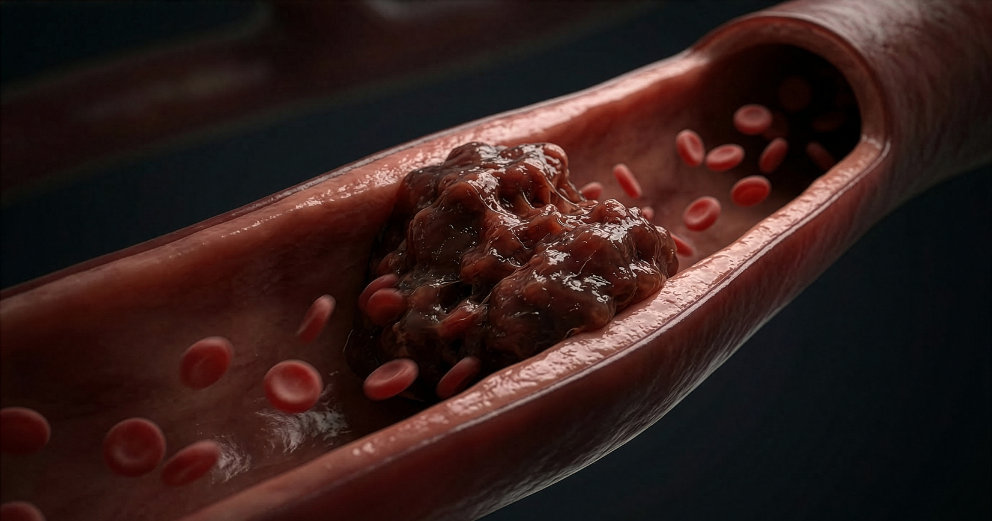
Blood clots are one of those conditions that sit at the far end of the health awareness spectrum. Most people know they exist but do not think they are at risk until they or someone close to them is affected. The truth is that blood clots are preventable. They are quite common but also life-threatening. Deep vein thrombosis is a blood clot that develops in the deep veins of the lower body extremities. When a part of the DVT clot breaks off and travels to the lungs, it leads to a pulmonary embolism. It is another life-threatening condition.
Understanding who is at risk, what symptoms to watch for, and what practical measures reduce the likelihood of a clot forming can be genuinely life-saving information.
How Blood Clots Form
Clotting is a normal and essential bodily function. When a blood vessel is injured, the clotting system is activated to stop bleeding and initiate repair. Problems arise when clots form inside healthy blood vessels without injury, or when clots fail to dissolve after serving their purpose.
Three factors classically associated with abnormal clot formation are reduced blood flow, damage to vessel walls, and changes in blood composition that increase its tendency to clot. These three factors often converge in situations of prolonged immobility, surgery, certain medical conditions, and specific lifestyle circumstances.
Who Carries The Highest Risk
Factors that damage the veins or reduce blood flow, or conditions that promote the likelihood of clot formation, can increase the risk of venous thromboembolism.
Key risk factors include:
● Prolonged immobility: Long-haul flights, extended bed rest after illness or surgery, and jobs involving prolonged sitting are all associated with elevated clot risk. Extended periods of limited mobility are inherent to long-distance travel and can increase the risk of venous thromboembolism.
● Surgery: Major surgery, particularly joint replacement and abdominal procedures, significantly raises clot risk, both from the surgical trauma itself and the period of post-operative immobility.
● Cancer: Active malignancy is one of the strongest independent risk factors for blood clots, both through direct effects on the coagulation system and through treatments, including some chemotherapy regimens.
● Hormonal therapy: Oral contraceptive pills and hormone replacement therapy both increase clot risk, particularly in women who smoke or have other risk factors.
● Pregnancy and the postpartum period: The risk of pulmonary embolism is highest for approximately six weeks after childbirth.
● Obesity, smoking, and age above 40: All these factors independently raise clot risk and compound other factors.
● Previous clot or family history: Having a family history of deep vein thrombosis or pulmonary embolism is an established risk factor.
● Inherited clotting disorders: Conditions such as the Factor V Leiden mutation and antiphospholipid syndrome- make the blood inherently more prone to clotting.
Deep Vein Thrombosis Symptoms
DVT typically develops in the deep veins of the calf, thigh, or pelvis. Common symptoms of DVT are pain, tenderness, swelling, redness, and warmth in the affected area.
The swelling and aching are usually in one leg rather than both, and may worsen with walking or standing. Some DVTs cause no symptoms at all, which is why they can go undetected until a piece of the clot breaks off.
Pulmonary Embolism Signs
When a clot travels to the lungs, it can cause the symptoms listed below.
● Sudden shortness of breath that develops rapidly and without a clear cause
● Sharp chest pain that worsens when breathing in deeply
● A rapid heart rate
● Coughing up blood in more severe cases
● Dizziness or fainting
Pulmonary embolism is a medical emergency, so it requires urgent treatment. Any sudden onset of breathlessness and chest pain in someone with known risk factors for clotting should be treated as a potential case of pulmonary embolism.
Blood Clot Prevention Strategies
Several evidence-supported measures reduce the risk of blood clots, particularly in high-risk situations.
Movement and Avoiding Prolonged Immobility
The risk of developing a blood clot decreases with a more active lifestyle. Taking a regular break to walk around after a long period of sitting, whether on a flight or at a desk, keeps blood flowing through the leg veins. It also reduces the risk of pooling that leads to a clot.
During long flights, walking the aisle every hour or two, and performing calf raises and ankle circles while seated, are practical and effective measures.
Hydration
Dehydration can increase the risk of blood clots. Drinking plenty of water is especially necessary when immobile for several hours. Dehydration increases blood viscosity, making it more likely to clot.
Compression Stockings
Using compression stockings to prevent deep vein thrombosis is recommended, particularly for long trips and for people recovering from surgery. Graduated compression stockings apply pressure that improves venous return and reduces blood pooling in the legs.
Early Mobilisation After Surgery
Moving around as soon as possible after surgery or after being confined to a bed is one of the most effective clot-prevention measures in a hospital setting. Patients are encouraged to sit up and walk within hours of surgery for exactly this reason.
Medical Prophylaxis
For patients at high surgical or medical risk, anticoagulant prophylaxis is administered to reduce clot formation during the high-risk period. This is a clinical decision made by the treating team based on individual risk assessment.
Takeaways
Blood clots risks is highest in situations of prolonged immobility, major surgery, cancer, hormonal therapy, pregnancy, and inherited clotting disorders. Deep vein thrombosis symptoms appear as unilateral leg swelling, pain, and warmth. They need a medical assessment on the same day. Pulmonary embolism signs, such as breathlessness and chest pain, are also an emergency. Movement, hydration, wearing compression stockings during travel, and moving around after surgery can help prevent blood clots in most cases.