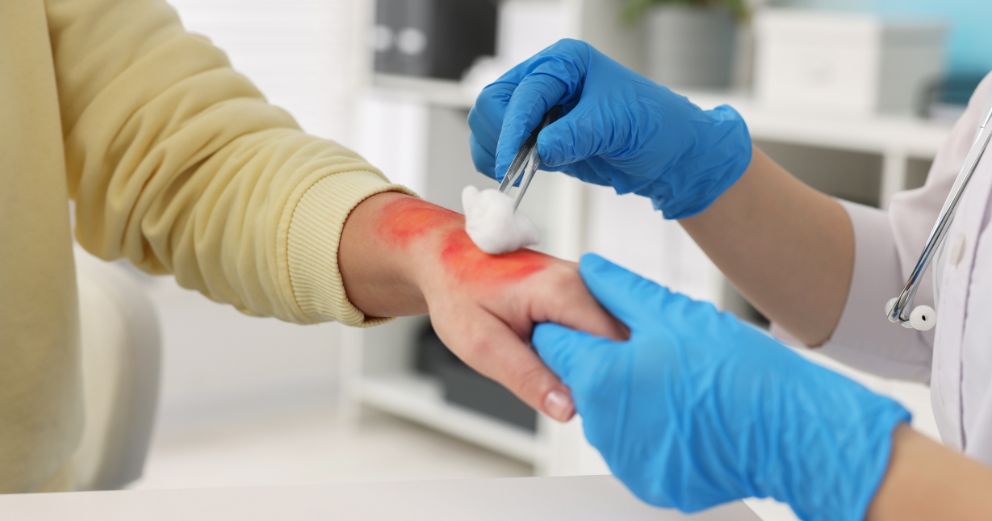
Burn Injury Recovery: Stages and Care
Burns are among the most physically and psychologically demanding injuries a person can experience. The pain in the acute phase is severe. The recovery is prolonged. And the path from the initial injury to full rehabilitation involves multiple overlapping stages, each with its own clinical priorities and care requirements. For patients and families navigating this process, understanding what to expect at each stage makes an enormous difference to how well that recovery proceeds.
Understanding Burn Severity
Before recovery can be discussed meaningfully, it helps to understand how burns are classified, because the severity of the injury determines the length and complexity of everything that follows.
First-degree burns cause redness without blisters. Second-degree burns produce blisters and pain. Third-degree burns cause the area to become stiff and, in many cases, not painful due to nerve destruction. Fourth-degree burns involve loss of bone and tendon.
First-degree burns heal within days with basic care because they affect only the outermost layer of skin. There is no permanent scarring. But second-degree burns affect the deeper layers of the skin and take weeks to heal. They also carry a risk of scarring. Third and fourth-degree burns may require surgery, and there can be a risk of infection, contracture and long-term functional impairment.
The total body surface area affected by the burn also helps in determining the severity of the situation. They can guide on whether hospitalisation in a special burn care unit is needed.
The Acute Phase: First Response and Stabilisation
The immediate priority after a burn is to cool the wound and prevent further damage. Cooling with tap water can be helpful in such situations. Running cool water over the burn for 20 minutes is usually the recommended way to treat it. Ice can cause more tissue damage and may also lead to hypothermia in larger burns, so it should never be used.
The acute phase in the hospital is all about fluid resuscitation, preventing infection, and assessing the wound to provide necessary treatment. Large burns may cause significant fluid loss through the damaged skin and also due to some systemic changes within the body, so it is important to restore fluids to avoid organ failure. Wound dressings are applied to protect exposed tissue, and the burn team assesses which areas will heal spontaneously and which will require surgery.
The Wound Healing Phase: Inflammation, Proliferation, and Repair
Burn wound care follows the same phases as wound healing generally, but on a more complex and protracted timeline in deeper burns.
The inflammatory phase occurs in the first days after injury. It involves increased blood flow to the wound, swelling, and immune cells working to clear damaged tissue and fight off infection. This phase can be discomforting for many.
Epidermal and partial thickness wounds heal in one to three weeks through epithelial migration from the wound edges. New cells also start growing from sweat and hair glands. These wounds carry only a small risk of contracture and hypertrophic scarring.
Full-thickness burns, which destroy all layers of the skin, do not have the capacity to regenerate from within. They require surgical debridement in which the damaged tissue is removed. It is followed by skin grafting to cover the wound and allow the skin barrier to be restored. The grafted skin is taken from the unaffected area of the patient’s body in a process called split-thickness skin grafting. Wound management between procedures and after grafting is meticulous and requires specialist nursing care.
Burn Scar Formation and Management
As the wound heals, scar tissue forms. In deeper burns, this scarring can be significant, producing raised, thickened hypertrophic scars or, in some cases, contractures that restrict movement. Burn scar contracture is the tightening of the skin after a second- or third-degree burn, as the surrounding skin begins to pull together during healing. It needs to be treated promptly because the scar can restrict movement around the injured area.
Burn scar treatment begins during the healing phase, not after it. Compression garments are fitted once the wound has sufficiently healed and are worn for extended periods, often a year or more, to apply consistent pressure that reduces the thickness and raised profile of the scar. Silicone gel sheets are another non-surgical intervention used to improve scar texture and reduce itching.
For significant contractures that restrict joint movement, surgical release procedures are performed to restore the range of motion. Physiotherapy plays a central role throughout scar management, ensuring that joints are kept mobile and that functional losses are minimised as early as possible.
Rehabilitation: Restoring Function and Quality of Life
Rehabilitation after a significant burn extends well beyond wound healing. Burn rehabilitation aims to prevent and treat scar contracture and deformity by applying mild, prolonged stress to the healing tissue at its longest length for at least six to eight hours per day during the healing process.
Physiotherapy and occupational therapy help restore strength and improve the range of motion so that a patient can perform daily activities. Rehabilitation is intensive for burns on the hands or face, as these areas can affect independence.
Burn rehabilitation also includes receiving psychological support. The emotional burden from the visible nature of burn scars, the lengthy recovery, and the traumatic circumstances of many burn injuries can be overwhelming. Therefore, a person must get access to the treatment of post-traumatic stress, anxiety, and adjustment as part of comprehensive burn care.
Takeaways
Burn injury recovery involves various stages, including acute stabilisation and wound management through surgery, scar formation, and long-term rehabilitation. The extent of the burn determines whether this process will be long and complex. Cooling, preventing infection and dressing are important steps in the acute phase of burn wound care. Surgery and skin grafting are necessary parts of the burn healing stages to repair deeper tissue damage.
Burn scar treatment through compression, silicone therapy, physiotherapy, and surgical release begins early and continues long after the wound has closed. Psychological support is also critical, just like physical rehabilitation, to achieve quality of life.