Can Cancer Be Prevented?
Cancer carries a reputation for being unpredictable and unavoidable. Some of that reputation is deserved. Genetics play a role in certain cancers, and some people develop the disease despite doing everything right. But the evidence is clear that a meaningful proportion of cancers are preventable, and that the choices a person makes over time have a real and measurable impact on their risk.
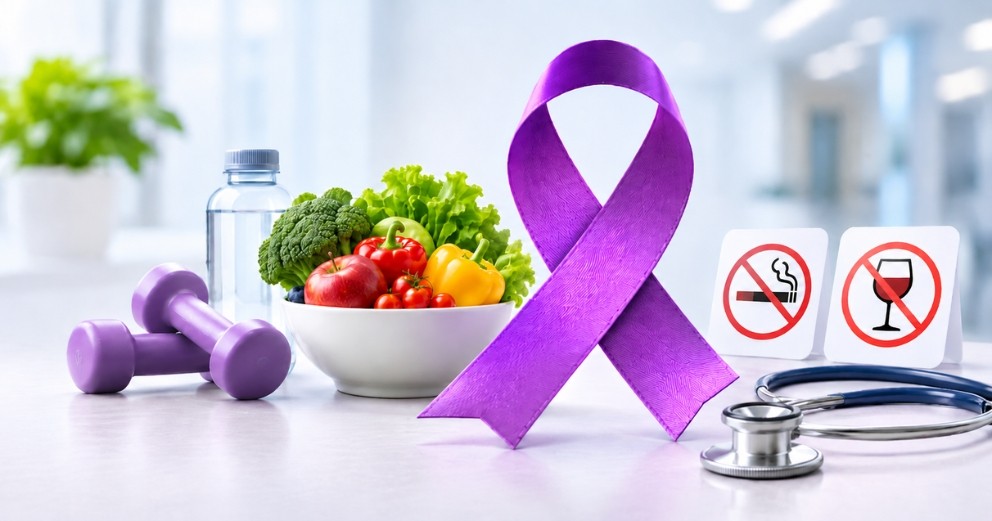
Between 30 and 50 percent of all cancers are known to be preventable through healthy diet, staying active, avoiding alcohol, smoking, and being overweight. That is a significant proportion, and it represents a genuine opportunity for individuals to take an active role in protecting their own health.
What makes cancer preventable?
Not all cancers share the same drivers. Some are linked primarily to genetic mutations that a person is born with. Others develop from a combination of environment, lifestyle, and biology over decades.
Tobacco: the clearest link
No single risk factor has a stronger, more consistent association with cancer than tobacco use. Smoking causes lung cancer and raises the risk of cancers of the mouth, throat, oesophagus, stomach, bladder, kidney, and cervix, among others. Reducing exposure to tobacco remains central to cancer prevention, representing one of the most impactful modifiable factors across a wide range of cancer types.
The benefit of quitting begins almost immediately and compounds over time. Lung cancer risk in a former smoker decreases substantially within years of quitting and continues to fall the longer the person remains smoke free. There is no safe level of tobacco use, and no form of tobacco use, including smokeless products, is risk free.
Alcohol and cancer risk
Alcohol is a Group 1 carcinogen, meaning its link to cancer is established beyond reasonable scientific doubt. It raises the risk of cancers of the mouth, throat, oesophagus, liver, breast, and colorectum. The risk increases with the amount consumed and does not disappear entirely at low levels.
Reducing alcohol consumption is one of the more straightforward lifestyle changes a person can make to reduce cancer risk, and the benefit applies regardless of the starting point. People who drink heavily carry the highest risk, but even moderate regular consumption contributes to overall cancer risk in a way that is worth understanding.
Weight, diet, and physical activity
Obesity is an established risk factor for at least thirteen types of cancer, including breast, colorectal, endometrial, kidney, and pancreatic cancer. Excess body fat promotes chronic inflammation and alters hormone levels in ways that create conditions favourable to cancer development. Managing weight through a combination of diet and regular physical activity reduces this risk over time.
Diet quality matters independently of weight. A diet high in vegetables, fruits, legumes and whole grains and low in processed meats, ultra-processed foods and high red meat consumption is consistently related to a lower cancer risk. Following mainly plant-based dietary patterns is important in preventing cancer.
Exercise lowers the risk of cancer in several ways. These include impacts on body weight, hormone levels, immunological function, and inflammation. The benefit is seen with moderate activity done consistently, and it applies across several cancer types, including breast and colorectal cancer.
Sun exposure and skin cancer
Ultraviolet radiation from the sun is the primary cause of skin cancer, including melanoma. Avoiding excessive ultraviolet radiation remains central to cancer prevention. Practical measures, including using sunscreen regularly, seeking shade during peak sun hours, and avoiding tanning beds, substantially reduce the risk of developing skin cancers, including the most dangerous types.
Infections and vaccination
Several cancers are directly caused by infections that are preventable. Human papillomavirus causes cervical cancer and several other cancers of the head, neck, and anogenital region. Hepatitis B and hepatitis C viruses are major causes of liver cancer. Helicobacter pylori infection is a significant driver of stomach cancer.
Vaccination against HPV and hepatitis B are among the most direct cancer prevention tools available. Treating H. pylori infection when detected also reduces gastric cancer risk. These are interventions with a clear and direct impact on cancer incidence, and uptake remains lower than it should be.
Cancer screening as prevention
Screening does not prevent cancer from developing, but it identifies it at stages when treatment is most effective, and in some cases, removes precancerous changes before they become cancer. Colonoscopy, for example, does not just detect colorectal cancer early. It allows the removal of polyps that would otherwise progress. Cervical screening identifies precancerous cell changes that can be treated before cancer develops.
Cancer screening and prevention through regular check-ups are particularly important because many cancers develop without symptoms in their earliest stages. Knowing which screenings apply at each age and risk level, and actually attending them, is as much a part of cancer prevention as any lifestyle change.
Takeaways
Cancer prevention is about reducing modifiable risk factors through choices that are within a person's control. Avoiding tobacco, limiting alcohol, maintaining a healthy weight, eating well, staying active, protecting skin from UV radiation and getting vaccinated against cancer-causing illnesses all considerably reduce cancer risk.
There are connections between lifestyle and cancer that really puts people in control of their long-term health. Regular cancer screening prevention by means of suitable checks ensures that when cancer does occur it is detected at a time when the outcomes are most favourable.