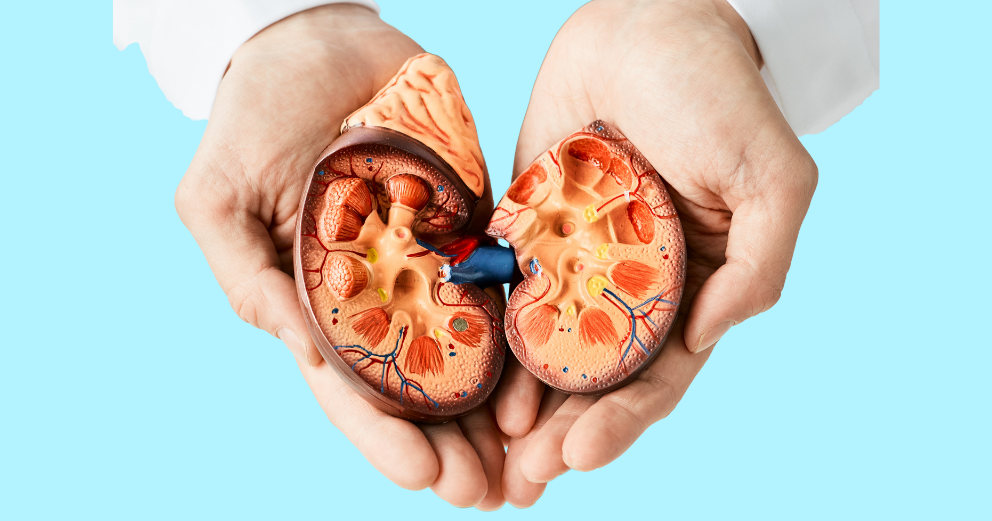
Can Kidney Damage Be
Reversed?
It
is one of the first questions people ask after a kidney diagnosis. Whether the
damage can be undone, whether the kidneys can come back, whether there is a
version of this story where things return to how they were. The answer is more
nuanced than a simple yes or no, and it depends enormously on one thing:
whether the damage is acute or chronic, and how far along the disease process
is at the time the question is being asked.
Two very different types of kidney
damage
Kidney
damage broadly falls into two categories, and the potential for recovery
differs significantly between them.
●
Acute
kidney injury
refers to a sudden, rapid decline in kidney function that develops over hours
to days. It can result from severe dehydration, blood loss, infection causing
sepsis, a blockage in the urinary tract, or exposure to substances toxic to the
kidney. Acute kidney injury is a sudden decrease in kidney function that
develops within seven days, shown by an increase in serum creatinine or a
decrease in urine output, or both.
● Chronic kidney disease is
a whole different story. It is a slow, progressive loss of kidney function over
months and years, due to illnesses such as diabetes, high blood pressure,
chronic glomerulonephritis or polycystic kidney disease. Chronic kidney disease
is a long-term condition that can develop to end-stage kidney failure needing
dialysis or kidney transplantation.
The
distinction matters because the recovery potential of these two types is very
different.
When kidney damage can be
reversed: acute kidney injury
Acute kidney injury is often reversible, provided the
cause is identified and addressed quickly. When the kidneys lose function
suddenly because of dehydration, blood pressure collapse, or a urinary
obstruction, restoring normal blood flow to the kidneys, removing the blockage,
or treating the underlying infection can allow kidney function to recover
substantially.
The
speed and completeness of recovery depends on how severe the injury was, how
long it lasted before treatment was started, and whether the person had
pre-existing kidney disease before the acute episode.
A
previously healthy person whose kidneys were acutely injured by a severe
illness may recover full or near-full kidney function once the precipitating
cause is treated. Someone with underlying chronic kidney disease who
suffers an acute injury on top of it is less likely to return to their
pre-injury baseline, and the episode may permanently accelerate the course of
their underlying chronic disease.
When kidney damage cannot be
reversed: chronic kidney disease
Chronic kidney disease does not follow the same recovery
trajectory. The scarring and structural changes that accumulate over years in
the kidneys' filtering units are not reversible in the way that acutely injured
tissue can heal. Kidney damage is usually irreversible, but lifestyle changes
can help prevent more damage and help preserve remaining kidney function.
This
is the central clinical reality of chronic kidney disease. The goal
shifts from reversal to preservation. The question moves from "can we get
the kidneys back to where they were" to "how do we slow the rate at
which function continues to decline and protect what remains."
That
said, early-stage chronic kidney disease is not the same as late-stage
disease. Someone diagnosed at stage 1 or 2, where kidney function is still
largely intact and the primary finding is protein in the urine, has a very
different prognosis from someone presenting at stage 4. Intervening early,
before significant structural damage has accumulated, can slow progression so
substantially that many patients never reach end-stage disease within their
lifetime.
What slowing progression actually
looks like?
The
factors that drive chronic kidney disease forward are well understood.
Controlling them is what protects kidney function over time.
●
Blood
pressure control is the single most important modifiable factor for most
patients with chronic kidney disease. Elevated blood pressure damages
the kidney's small blood vessels continuously, and keeping it within target
range consistently reduces the rate of decline significantly.
●
Blood
glucose control is equally critical for people with diabetic kidney disease,
which is the leading cause of chronic kidney disease worldwide. Poorly
managed blood sugar accelerates glomerular damage at every stage of the
disease.
●
Diet
plays a supporting but meaningful role. Reducing sodium intake helps manage
blood pressure and fluid retention. In the later stages of the disease,
moderation of protein and phosphate intake decreases the metabolic load on the
damaged kidneys. Good hydration helps with filtration. Avoiding chemicals that
are toxic to the kidneys, including some pain medicines used routinely over the
long term, will help guard against additional damage.
● Regular physical activity
is important for cardiovascular health and blood pressure , both of which
directly impact the function of the kidneys. Stopping smoking is important
because tobacco use independently accelerates the decline of kidney function through
its effects on blood vessel health.
The role of early detection
The
earlier kidney disease is found, the better the chances of slowing or stopping
further damage. Annual kidney function monitoring through eGFR and urine
protein testing for people with diabetes, hypertension, or a family history of
kidney disease is the practical expression of this principle. Finding kidney
disease at an early stage, when intervention can still change the long-term
outcome, is considerably better than discovering it when options have already
narrowed.
Takeaways
Kidney damage reversal is possible in acute kidney
injury when the underlying cause is identified and treated promptly, with
many patients recovering substantial kidney function. Chronic kidney disease
progression, driven by scarring of the kidney's filtering units, is generally
not reversible, but it can be slowed significantly through blood pressure
control, blood glucose management, dietary modification, and lifestyle changes.
The
ability to protect kidney function depends directly on how early the
disease is detected and how consistently the contributing factors are managed.
Anyone with known risk factors for kidney disease should be screened regularly
and seek a nephrology referral at the earliest sign of declining kidney
function.