Cataract Surgery Success Story: Regaining Vision & Independence
I turned around expecting a familiar face — maybe a cousin I hadn't seen in years. Instead, I saw an elderly couple waving at me from the back of the plane. Puzzled and quietly bracing myself for the awkwardness of not recognising a relative, I walked over.
The gentleman smiled and asked, "You're Dr. Rashmi Barve, right? My wife recognized you from all the way back there. You operated on her eyes twenty years ago in Pune—and it changed her life."
The relief washed over me in two waves. First, I hadn't forgotten a family member after all. Second—and far more meaningfully—my patient still had wonderful vision two decades after her cataract surgery.
A Reunion Twenty Years in the Making
What followed was one of those warm, unplanned conversations you remember long after you land. We talked about family, about the years gone by, and about how complex her surgery had been at the time because of how advanced her cataract was.
But what stayed with me most was the way she spoke about her independence—the confidence to drive, to step out on her own, to simply live life without hesitation. Twenty years later, she was still talking about it with pure joy.
That conversation reminded me of something I see far too often underestimated in clinical practice: cataracts don't just blur vision—they quietly take away confidence.
The Silent Impact of Cataracts on Daily Life
When someone can't see clearly, they don't announce it. They simply start avoiding things—driving after dark, going out alone, doing errands they once did without a second thought. From the outside, this can look like reluctance, laziness, or "just getting older." In reality, it's often a cataract slowly clouding their world.
The moment clear vision is restored through cataract treatment, something remarkable happens. It isn't just the eyesight that comes back—it's the confidence, the independence, and often, a version of themselves they thought they'd left behind.
What Exactly Is a Cataract?
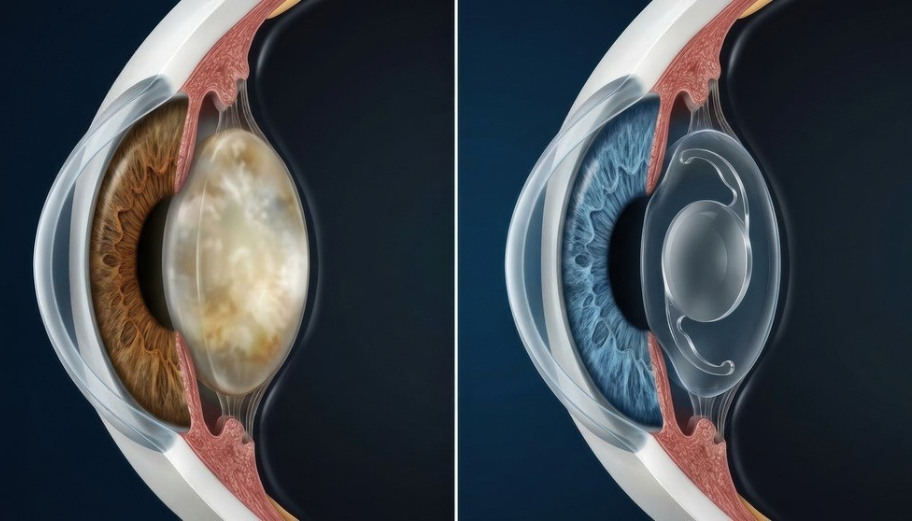
A cataract is the age-related clouding of the eye's natural intraocular lens. As it progresses, light can no longer pass through clearly, causing blurred, hazy, or dull vision. The only effective treatment is surgically replacing the cloudy natural lens with an artificial intraocular lens (IOL).
The good news: thanks to advanced technology and refined surgical techniques, modern cataract surgery is now a short, precise procedure. Most patients go home the very same day, with vision improving remarkably fast.
Choosing the Right Lens Matters
Depending on the type of intraocular lens selected, some patients can even become largely spectacle-free after surgery. But there's no one-size-fits-all lens—the right choice depends on:
Age and lifestyle
Profession and daily visual demands
Existing eye conditions
Overall medical history
This is why a detailed, personalized evaluation before surgery is just as important as the procedure itself.
Advanced Cataract Care at KIMS Hospital
At KIMS Hospital, we use state-of-the-art diagnostic and surgical technology for comprehensive cataract evaluation and treatment. Every patient is guided toward the lens best suited to their eyes and lifestyle—because the goal isn't just clearer vision, it's a clearer, more independent life.
If you or a loved one has been putting off cataract surgery or quietly stepping back from things you used to enjoy, it might be time for an eye check. As my patient on that flight reminded me, the difference it can make, twenty years down the line, is worth showing up for.
https://www.kimshospitals.com/doctor-profile/dr-rashmi-barve/