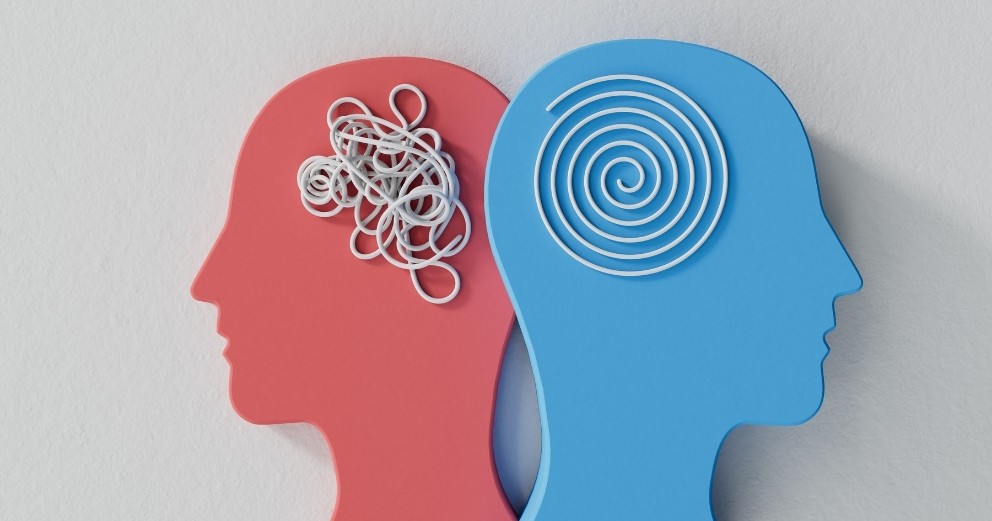
Depression vs Stress: Key Differences
Stress and depression are two of the most frequently confused conditions in mental health. People use the words interchangeably, describe one when they mean the other, and often do not seek help because they cannot tell which one they are dealing with. The confusion is understandable. Both affect mood, sleep, energy, and concentration. Both can make daily life feel harder. So what are the stress vs depression differences?
Getting this distinction right matters. Stress that is misidentified as depression can lead to unnecessary concern, while depression that is dismissed as stress leaves a serious and treatable condition unaddressed for far longer than it should be.
What Stress Actually Is
Stress is the body's response to an external demand or pressure. It is triggered by something identifiable: a work deadline, financial strain, a relationship conflict, a health scare, or a major life change. Stress tends to have an obvious trigger, like a relationship breakdown.
Stress is not bad for the body in small amounts. It can help with focus, taking action and responding to challenges. The problem arises when it is not resolved or accumulates. Stress can make it difficult to concentrate on things if it continues for weeks or months. It can disrupt sleep and make a person unable to overcome challenges.
Stress symptoms are listed below.
- Tension headaches and muscle tightness
- Difficulty switching off or relaxing
- Irritability or a shortened temper
- Sleep difficulties, such as falling asleep with an overactive mind
- Fatigue from pressure
- Worry centred around specific concerns
Stress is reactive. Its symptoms ease when the external pressure eases or resolves. Stress does not usually require professional treatment to resolve, though managing it well becomes important when it is chronic or severe.
What Depression Actually Is
Depression is a mental health condition that interferes with a person's ability to carry out daily functions. It is characterised by feelings of sadness and a loss of interest in once enjoyable activities. A depression diagnosis is typically given once a person experiences a depressed mood and a majority of the relevant symptoms for at least two weeks.
Unlike stress, depression is not necessarily tied to an external event. It can start without any obvious reasons and remain even after the external situation has resolved. It does not ease simply because the circumstances improve. The events contribute to stress. So, a person may feel at ease when these events are over. They do not require any special intervention. But depression is different, and it also requires treatment to feel better.
The following symptoms are common in depression.
- Constant low mood that does not lift with good news or positive events
- Loss of interest or pleasure in activities that previously brought enjoyment, also called anhedonia
- Changes in appetite or weight, in either direction
- Fatigue that is severe and not explained by physical activity or poor sleep
- Sleep disturbances, including sleeping too much or too little
- Difficulty concentrating, making decisions, or remembering things
- Feelings of worthlessness, excessive guilt, or hopelessness
- In more severe cases, thoughts of death or not wanting to be alive
Symptoms of depression can be way more intense. They last at least two weeks and cause intense mood changes, such as deep sadness and despair. A person may feel exhausted and unable to act.
Where the Two Overlap and Why it Matters
The symptoms that stress and depression share are significant enough to create genuine confusion. Both can cause fatigue, sleep problems, reduced concentration, and irritability. Difficulty sleeping, upset stomach, and irritability can all be signs of both anxiety and depression. As a result, self-diagnosis is unreliable, and only professional assessment can help in this matter.
The presence of anhedonia (the loss of pleasure in things previously enjoyed) is the distinguishing symptom. This is specific to depression and does not typically feature in stress alone. Someone who is stressed may still enjoy a meal with friends, find moments of relief in exercise, or laugh at something funny. Someone experiencing depression often finds that nothing provides the relief or enjoyment it once did, regardless of circumstances.
Another distinction is the relationship between symptoms and external events. Stress fluctuates with circumstances. If the pressure at work decreases, the stress symptoms tend to follow. Depression operates on its own timeline, persisting through periods that should feel better and not responding proportionately to positive changes in the environment.
When Stress Becomes Depression
Chronic, unmanaged stress can become a route into depression. Chronically elevated stress hormones put a person at greater risk of depression, among other health complications, including obesity and heart disease. The stress response remains active in the body for months and affects the brain systems that control mood. It slowly erodes the biological conditions necessary for emotional resilience.
This is why taking stress seriously before it becomes chronic is clinically meaningful. Stress that is recognised, named, and addressed through adequate rest, social support, exercise, and workload management rarely becomes something more serious. Stress that is minimised, pushed through, or managed with alcohol or avoidance creates conditions where depression can take hold.
When to Seek Professional Help
Professional support is appropriate when:
- Low mood or loss of interest persists for two weeks or more regardless of circumstances
- Symptoms are significantly interfering with work, relationships, or daily function
- There are thoughts of death or self-harm at any point
- Stress feels unmanageable and is not responding to lifestyle measures
- There is uncertainty about which condition is present
Depression is a highly treatable condition, but it is not something a person can snap out of by themselves, which is why it is important to get help.
Takeaways
Depression vs stress comes down to when they start, how long they remain, and whether symptoms resolve after the external pressures ease. Stress is a reactive response to known external demands. So, it resolves when those demands change. Depression symptoms, such as low mood, loss of pleasure, and hopelessness, remain no matter what the circumstances are and may last at least two weeks. These two conditions can have the same symptoms, so professional assessment is important when symptoms are affecting daily life. Knowing when stress becomes depression can be helpful to recognise it early and get appropriate support on time.