
Diet Recommendations for Fatty Liver Disease
Globally, Metabolic Dysfunction-Associated Steatotic Liver Disease (MASLD), formerly known as Non-Alcoholic Fatty Liver Disease (NAFLD), is one of the most common chronic liver diseases and one of the leading causes of liver-related morbidity. Characterized by the accumulation of fat in the liver alongside metabolic risk factors such as obesity, type 2 diabetes, dyslipidaemia and hypertension, MASLD (fatty liver disease as it is commonly known) affects millions of adults and children worldwide.
While pharmacological treatments play an important role in fatty liver disease treatment, there is a broad consensus in the medical community on the importance of lifestyle optimization – particularly dietary changes and healthy, sustainable weight loss – in reducing/ reversing liver fat, improving metabolic health, and preventing disease progression.
There is absolutely no dearth of information when it comes to fatty liver diets. But the question is how much of this information is reliable? Conflicting advice, unverified social media content, and misconceptions make it difficult even for healthcare professionals to distinguish evidence-based recommendations from fads and trends. In this blog, we offer explore practical diet recommendations for managing fatty liver while dismantling popular myths surrounding the topic.
What Does a Well-Balanced Diet for Fatty Liver Look Like?
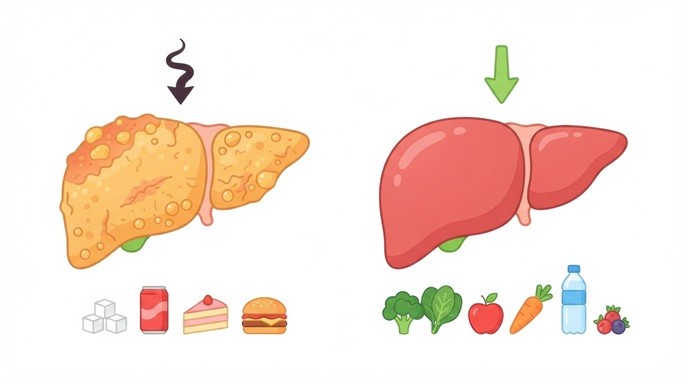
A well-balanced, nutrient-rich diet plays a vital role in managing MASLD. Apart from supporting liver health, it empowers individuals to achieve sustainable lose weight, improve metabolic health, and lower the risk of cardiovascular disease. Rather than eliminating entire food groups, the focus of the fatty liver diet plan should include on choosing nutritious foods, managing portion sizes, and limiting excess calories. Such a diet should include:
Ample Fruits and Vegetables
Fruits and vegetables are rich in dietary fibre, vitamins, minerals, and antioxidants that support liver and metabolic health. Dietary fibre creates a sense of satiation, helping individuals feel fuller for longer and manage their calorie intake. Antioxidants help in reducing inflammation in the body. Including a variety of fruits and vegetables supports healthy weight management, Type 2 diabetes control, and cardiovascular health protection, all of which are important for managing MASLD and protecting liver health.
It is recommended that half the plate should be whole fruits and non-starchy vegetables.
The Do’s and Don’ts:
- Aim for 3 servings of vegetables and at least 2 servings of fruit per day.
- Include fruits and vegetables of different colors, as they provide a wider range of vitamins, minerals, and antioxidants.
- Choose seasonal fruits and vegetables and local produce for variety and affordability.
- While fresh fruits and vegetables are better, you can choose frozen & canned varieties too. Check labels of canned/ frozen produce and choose unsweetened and low-salt options.
- Regularly include non-starchy vegetables like leafy greens, cauliflower, carrots, turnips, radish, and okra in your meals.
- Limit the consumption of starchy vegetables like potato, sweet potato, tapioca, and yam.
- Choose whole fruits over fruit juices as they retain fiber and are generally more filling.
- It is best to avoid fruit juices, sweetened beverages, and smoothies as they are low in fiber and high in sugar and calories.
- Consume vegetables raw, roasted, sauteed, grilled, blanched, steamed, or in soups. Avoid deep-frying your vegetables.
- Consume dried fruits in small portions only, as they are high in concentrated natural sugars and calorie-dense.
- Choose whole grains such as brown rice, whole wheat, oats, millets and other minimally processed grained instead of refined alternatives.
- Limit consumption of refined carbohydrates in the form of white bread, maida-based products, white pasta, and large portions of polished white rice.
- Avoid processed and ultra-processed foods such as biscuits, packaged snacks, fast foods, and ready meals as they are high in added sugars, unhealthy fats, refined carbohydrates, and additives, all of which add strain to the liver and aggravate fatty liver.
- Always read labels to identify added sugars, even if the product is packaged and marketed as ‘healthy’ and ‘nutritious’. For instance, granola bars, oats, and some varieties of muesli can contain considerable amounts of added sugar.
- Include fiber-rich carbohydrate sources such as beans, lentils, and vegetables as part of your regular meals.
Lean Proteins
Dietary proteins are essential for the muscles, bones, blood, and skin. Including an adequate amount of protein in meals are particularly beneficial for weight loss and fatty liver disease management, as it helps preserve muscle mass, keeps the individual fuller for longer, and supports overall metabolic health. However, excessive protein intake is also known to have negative health impacts.
It is important to choose the right source and quantity of protein to include in one’s diet. Evidence suggests that lean proteins such as fish, seafood, skinless poultry, eggs, and plant-based proteins are healthier sources when compared to fatty red meats and processed meats. It is recommended to fill one quarter of your plate with lean proteins for a balanced meal, although individual requirements may vary depending on a number of factors.
The Do’s and Don’ts:
- Include a variety of protein sources in your diet, combining plant-based proteins with lean animal proteins where appropriate.
- Aim to include three or more servings of lean animal proteins every week.
- Consume chicken and lean poultry without skin.
- Choose fish and seafood rich in omega-3 fatty acids such as mackerel, salmon, tuna, lake trout, and sardines.
- Limit consumption of red meats to one serving per week or less.
- Include plant-based sources of protein such as paneer, lentils, beans, chickpeas, nuts, and seeds.
- Avoid or minimize processed meats such as sausages, ham, hot dogs, pepperoni, nuggets, and cured meats.
- Consume meats roasted, grilled, baked, broiled, steamed, or in soups. Avoid deep-frying your meats.
Healthier Fats
One of the biggest myths is that fats should be completely eliminated from a fatty liver diet. However, fats are another essential part of a balanced diet, and the right kind of fats should be included in a healthy fatty liver diet.
Unsaturated fats, particularly polyunsaturated and monounsaturated fats, should replace saturated and trans fats wherever possible. These healthier fats support cardiovascular and metabolic health and may also help improve liver health.
The Do’s and Don’ts:
- Be mindful of both the quantity and type of fats you are consuming.
- Choose oils rich in unsaturated fats, such as olive, groundnut, mustard, and rice bran oil, instead of relying heavily on butter, ghee, and other sources of saturated fat.
- Prefer low-fat or fat-free dairy products including milk, plain yogurt, cheeses, and paneer, where appropriate.
- Choose fish rich in omega-3 fatty acids such as Indian mackerel and salmon.
- Limit high-fat dairy products such as butter, processed cheese, ice cream, and heavy cream.
- Consume small portions of whole nuts and seeds such as walnuts, flaxseeds, almonds, and chia seeds.
- Limit deep-fried foods, packaged snacks, processed meats, and foods containing trans fats.
- Use herbs, spices, garlic, ginger, turmeric, pepper and lemon to flavour meals.
- Choose homemade chutneys and dips over packaged varieties wherever possible.
- Limit pickles, papads, ready-made sauces, salad dressings and packaged seasoning mixes, which can be high in salt.
- Avoid adding excess sugar, syrups and sweetened sauces to meals.
- Be mindful of the amount of salt used in everyday cooking.
- Choose plain water as the go-to source for hydration. Remember to keep up with daily fluid requirements based on your individual need and activity levels.
- You can occasionally consume tender coconut water to add variety but be mindful if you are diabetic or need to restrict potassium.
- To add flavour to water, you add lemon, mint, jeera, cucumber or a few slices of fruit to water without sugar or salt.
- Avoid fruit juices, sodas, smoothies, and other sugary beverages as the excess sugar adds a load to the liver.
- It is also recommended to consume hydrating foods such as watermelon, cucumber, and oranges to the diet.
About the Author
- Fernandes SA. Myths and facts about the role of diet in metabolic dysfunction-associated steatotic liver disease. World J Hepatol. 2025 Aug 27;17(8):107909. doi: 10.4254/wjh.v17.i8.107909. PMID: 40901600; PMCID: PMC12400429.
- Beygi, Mohammad, Salma Ahi, Samaneh Zolghadri, and Agata Stanek. 2024. "Management of Metabolic-Associated Fatty Liver Disease/Metabolic Dysfunction-Associated Steatotic Liver Disease: From Medication Therapy to Nutritional Interventions" Nutrients 16, no. 14: 2220.
- Haigh, Laura, Colette Kirk, Khalil El Gendy, Jennifer Gallacher, Linda Errington, John C. Mathers, and Quentin M. Anstee. "The effectiveness and acceptability of Mediterranean diet and calorie restriction in non-alcoholic fatty liver disease (NAFLD): A systematic review and meta-analysis." Clinical Nutrition 41, no. 9 (2022): 1913-1931.