Every Headache Is Not Just a Migraine
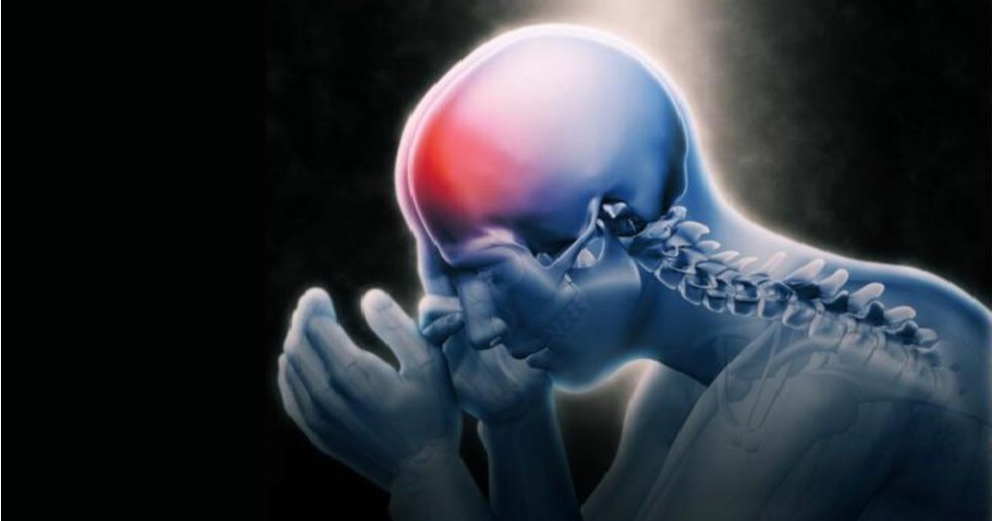
Headaches are among the most common neurological complaints, yet they are often underestimated, self-treated, or mislabelled—most frequently as migraine. While migraine is indeed a prevalent cause of recurrent headaches, the reality is far broader and more complex. This powerful image brings to light a wide spectrum of potentially serious and treatable causes behind head pain—reminding us that not all headaches are created equal.
Let’s explore what this illustration reveals—and why it matters.
⚠️ Life-Threatening Causes
Some headaches can be signs of life-threatening conditions that demand urgent medical attention:
- Intracranial Bleed – Sudden, severe “thunderclap” headache may indicate hemorrhage.
- Sinus Venous Thrombosis – Clot in brain veins, often seen in postpartum women or those with clotting disorders.
- Brain Tumor – Often presents as a dull headache worsening over time, with associated neurological signs.
- Stroke / Temporal Arteritis – Especially in older adults; new headache with visual symptoms or scalp tenderness.
- Arteriovenous Malformation (AVM) – A congenital vascular tangle prone to rupture.
🦠 Infections and Inflammation
Headaches may also stem from infections or autoimmune processes:
- Meningitis / Encephalitis – Fever, neck stiffness, altered mental status accompany this dangerous condition.
- Post-Herpetic Neuralgia – Persistent pain following shingles in cranial nerves.
- Temporal Arteritis – Inflammation of temporal artery in the elderly, potentially causing blindness.
- Flu or Viral Illnesses – Common but often overlooked contributors.
📉 Systemic and Metabolic Triggers
Systemic illnesses often present with head pain:
- Dehydration – A simple yet common trigger.
- Hypo-/Hyperglycemia – Fluctuations in blood sugar can wreak havoc on the brain.
- Hypothyroidism – Often accompanied by dull, persistent headaches and fatigue.
- Pre-eclampsia / Hypertension – In pregnant women, a red flag not to be ignored.
🧪 Drug-Related and Lifestyle Factors
Certain substances and behaviors play a pivotal role:
- Analgesic Overuse – Rebound headaches from overuse of painkillers.
- Alcohol & Caffeine – Common dietary culprits.
- Drug Withdrawal – Especially from opioids, nicotine, or sedatives.
🧘 Structural and Sensory Contributors
Sometimes the headache is due to mechanical or anatomical issues:
- Refractive Error – Straining the eyes without proper glasses.
- TMJ Dysfunction – Jaw joint misalignment mimicking chronic headache.
- Sinusitis – Facial pain and pressure.
- Spinal CSF Pressure Abnormalities – Changes in spinal fluid pressure causing postural headaches.
💔 Psychological and Referred Pain
Even emotional and referred pain can be misinterpreted:
- Somatization – When psychological distress manifests as physical pain.
- Referred Pain – From dental or ear problems, often overlooked.
Key Takeaway: Don’t Dismiss the Pain
If your headache feels different, worsens with time, or comes with other symptoms—don’t brush it off. A correct diagnosis is vital. While migraines are common, assuming all headaches are migraines can delay or derail appropriate treatment.
When to Seek Medical Attention
Seek urgent care if you experience:
- Sudden onset “worst-ever” headache
- Headache with fever, vomiting, confusion, or neck stiffness
- Headache after trauma or during pregnancy
- Vision changes, weakness, or difficulty speaking
Final Thought
Headaches are the body’s signal—sometimes subtle, sometimes screaming—for help. Listen to it. Educate others. Share this message. Because behind every headache, there could be a story far deeper than migraine.