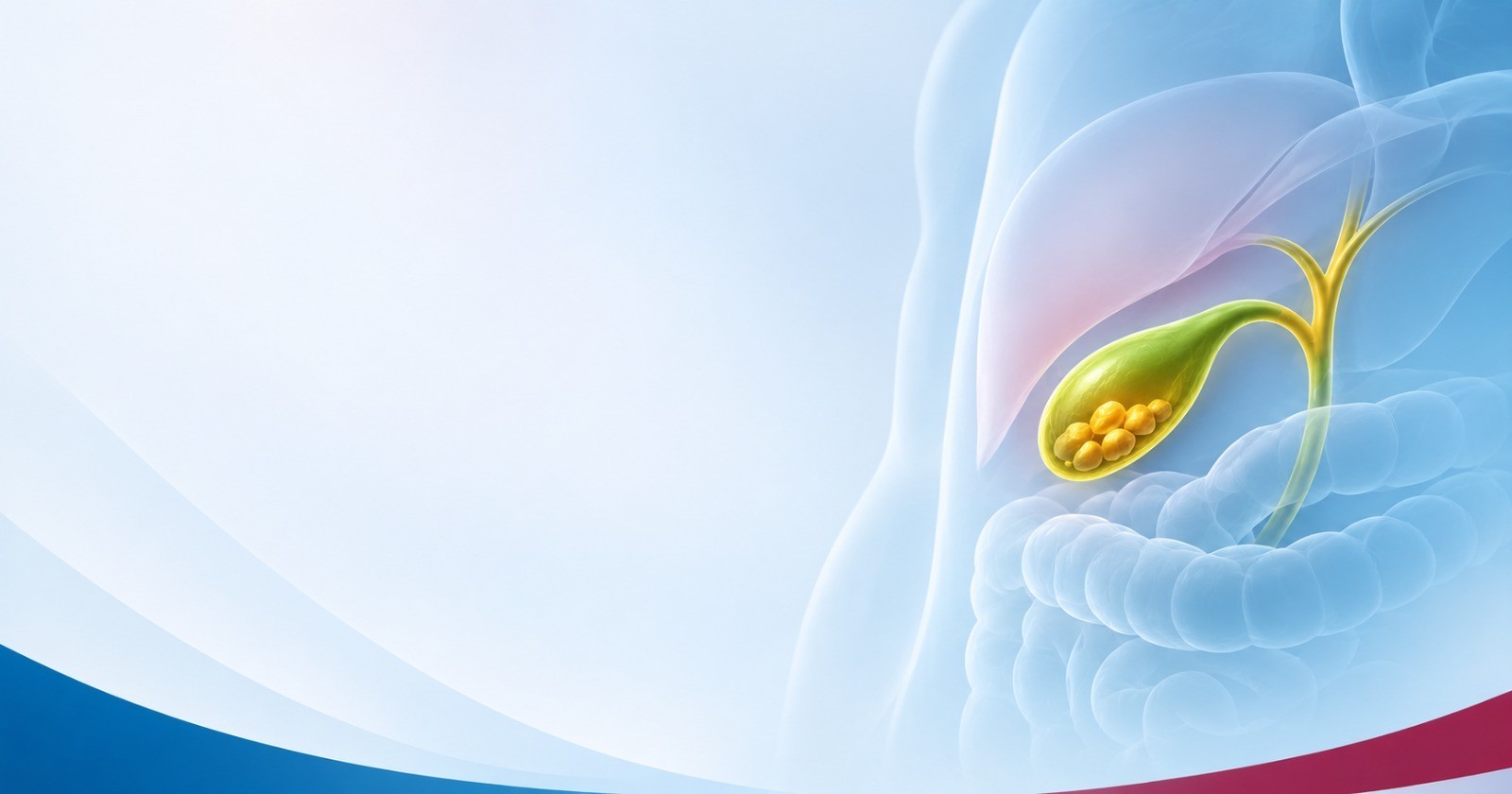
featured image of blog

Tuesday, November 3, 2026

Introduction

Gallbladder stones, also called gallstones, are hardened deposits that form in the gallbladder, a small organ that stores bile to help digest fats. Some people develop gallstones without experiencing any symptoms, while others may have abdominal pain or complications if a stone blocks a bile duct. Understanding gallbladder stones symptoms, gallbladder stone treatment options and warning signs can help you decide when to seek medical advice. At KIMS Hospitals, Thane, we encourage patients with persistent abdominal pain or suspected gallbladder problems to seek appropriate medical assessment.

What Are the Symptoms of Gallbladder Stones?

The gallbladder stones symptoms depend on whether the stones obstruct the flow of bile or cause inflammation.
Common symptoms may include:

  • Pain in the upper right or middle part of the abdomen.
  • Pain that lasts from several minutes to a few hours.
  • Discomfort that may spread to the back or right shoulder.
  • Nausea or vomiting, sometimes accompanying abdominal pain.
The pain may occur after a meal, although it can also happen at other times. Symptoms vary, and abdominal pain alone does not confirm gallstones.
If a stone blocks a bile duct or causes inflammation, symptoms may become more serious. Persistent abdominal pain, fever, chills, yellowing of the skin or eyes, dark urine or pale stools require prompt medical assessment. Severe pain accompanied by vomiting or fever may require urgent care.

Can Gallstones Develop Without Symptoms?

Can gallstones develop without symptoms is an important question because many gallstones are discovered incidentally during an ultrasound or another investigation performed for a different reason.These are often called silent gallstones. If they are not causing symptoms or complications, treatment may not be necessary, although a doctor can advise whether follow-up is appropriate. However, a person with silent gallstones should seek medical advice if new symptoms develop. The decision on gallbladder stone treatment options depends on the clinical situation rather than the presence of stones alone.

What Causes Gallstones?

Gallstones form when substances in bile, such as cholesterol or bilirubin, become concentrated and form solid deposits. They may also develop when the gallbladder does not empty properly. Factors associated with a higher likelihood of gallstones include being overweight, rapid weight loss, increasing age, certain medical conditions and a family history of gallstones. Gallstones are not caused by one specific food. Maintaining a balanced diet, regular physical activity and a healthy weight may support overall health, but these measures cannot guarantee that gallstones will be prevented or removed.

What Tests Are Used to Diagnose Gallstones?

The tests for gallstones depend on the symptoms and the possibility of complications.
Ultrasound: An abdominal ultrasound is commonly used to identify gallstones in the gallbladder. It is non-invasive and can help doctors assess the gallbladder and surrounding structures.
Blood tests: These may help identify signs of inflammation, infection or problems affecting the liver and bile ducts. Blood tests do not necessarily detect gallstones directly.
Additional imaging: If a stone in the bile duct is suspected or the diagnosis remains uncertain, a doctor may recommend further imaging, such as magnetic resonance imaging (MRI) of the bile ducts.
 

What Are the Gallbladder Stone Treatment Options?

The appropriate gallbladder stone treatment options depend on whether the stones cause symptoms, where they are located, and whether complications have developed. For silent gallstones that are not causing problems, a doctor may recommend observation rather than immediate treatment. When gallstones cause repeated pain or complications, gallbladder removal surgery in Thane is commonly recommended. If a stone is lodged in the common bile duct, a procedure such as ERCP may be required to remove it. Medicines that dissolve certain cholesterol stones may be suitable in selected circumstances, but they are not appropriate for everyone and may take a long time to work. Stones may also recur after treatment.

When Is Gallbladder Stone Surgery Needed?

The need for gallbladder removal surgery in Thane depends on the symptoms, investigation results, and risk of complications. Gallbladder removal surgery in Thane may be recommended when gallstones cause recurrent painful episodes, inflammation of the gallbladder, or certain other complications. The treating surgeon considers the patient's overall health and the findings of diagnostic tests before recommending an approach. Not every person with gallstones needs surgery. If stones are discovered incidentally and are not causing problems, observation may be appropriate. Patients should seek urgent medical assessment for severe or persistent abdominal pain, fever, chills, repeated vomiting, or jaundice. These symptoms may indicate a complication that needs prompt treatment.

What Is Laparoscopic Gallbladder Surgery?

Laparoscopic gallbladder surgery, also called laparoscopic cholecystectomy, involves removing the gallbladder through small incisions using a camera and specialised instruments. The procedure is commonly used for symptomatic gallstones when surgery is appropriate. Compared with open surgery, the laparoscopic approach generally involves smaller incisions, although its suitability depends on the patient's condition and surgical findings.Surgery is usually performed under general anaesthesia. Recovery varies according to individual health, the complexity of the procedure and whether complications occur. Some patients can return home relatively soon, while others may require a longer hospital stay.

Gallbladder Removal Surgery in Thane at KIMS Hospitals

If you are considering gallbladder removal surgery in Thane, the first step is an assessment to confirm the diagnosis and understand whether surgery is appropriate. At KIMS Hospitals, Thane, our Department of General Surgery provides surgical care for gallbladder disease and offers laparoscopic surgical techniques. Our team reviews the patient's symptoms, investigation results and medical history before discussing suitable treatment options. If you are looking for a gallbladder stone hospital in Thane, we encourage you to ask about the proposed procedure, preparation, possible risks, expected recovery and follow-up care. The recommended approach depends on your individual condition, and surgery is not necessary in every case.

Conclusion

Gallstones can remain symptom-free or cause abdominal pain and, in some cases, complications involving the gallbladder or bile ducts. Understanding gallbladder stones symptoms, recognising warning signs and completing appropriate investigations can help guide treatment decisions. The right gallbladder stone treatment options depend on whether symptoms or complications are present. While some patients may only need observation, others may benefit from laparoscopic gallbladder surgery or another procedure. If you are concerned about gallstones or wondering when gallbladder stone surgery is needed, your decision should be based on clinical findings and an individual medical assessment.

FAQ's

1) Can gallstones develop without symptoms?
Yes. Gallstones can develop without symptoms because many gallstones are discovered incidentally. Silent gallstones may not require treatment, depending on the individual situation.
2) What are the common gallbladder stone symptoms?
Common gallbladder stone symptoms include upper abdominal pain, nausea and vomiting. Fever, jaundice or persistent severe pain may indicate a complication requiring urgent medical assessment.
3) What tests are used to diagnose gallstones?
The tests for gallstones commonly include an abdominal ultrasound and, when indicated, blood tests or additional imaging to investigate possible bile duct problems.
4) When is gallbladder stone surgery needed?
The need for gallbladder stone surgery depends on whether stones cause repeated symptoms or complications. A surgeon can recommend treatment after reviewing the clinical findings.
5) Where can I seek gallbladder stone treatment in Thane?
KIMS Hospitals, Thane, has a Department of General Surgery that provides care for gallbladder conditions. Available gallbladder stone treatment options include surgical procedures such as laparoscopic cholecystectomy, depending on the patient's clinical requirements.

BOOK AN APPOINTMENT

FIND A DOCTOR

Footer Loading...