Thursday, November 19, 2026
Gamma Knife Radiosurgery: Brain Tumor Treatment Without a Single Incision
Is Gamma Knife Really a Knife?
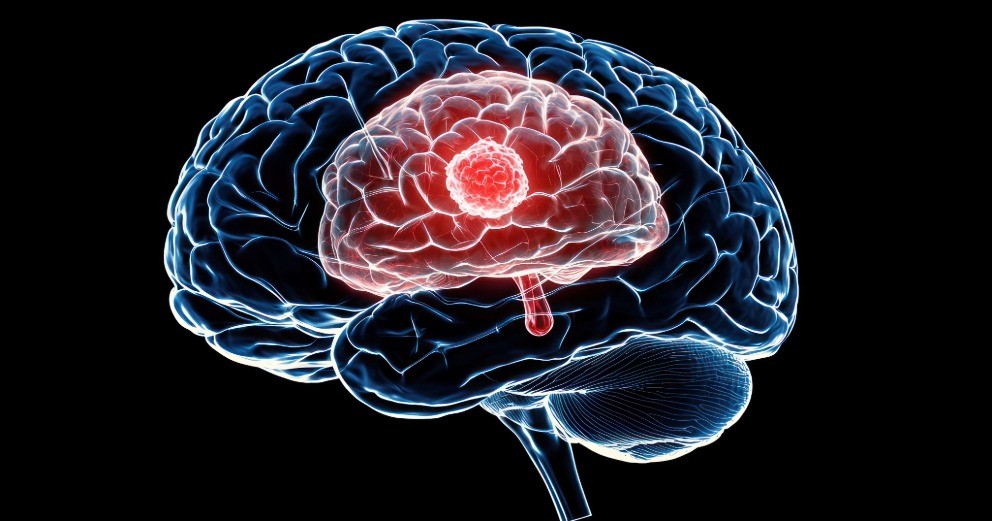
No. This is the question patients ask most often, and the answer surprises them. Gamma Knife radiosurgery (GKRS) involves no blade and no incision. It is a type of non-invasive radiation therapy. Instead of cutting, it sends many narrow beams of gamma radiation to one precise spot in the brain, such as a tumor. Each beam is weak on its own. The dose becomes strong only where the beams meet, which is the target. The idea is to treat the problem area while keeping the exposure to nearby healthy brain tissue as low as possible.
Why Doctors Consider It for the Brain
The brain controls speech, memory, movement and vision, so doctors are careful about any treatment near it. Gamma Knife is designed to be very precise, and it is considered a cognition-sparing option for suitable patients. Because there is no incision, patients generally find it easier to recover from than open surgery. Most do not need to stay in the hospital, and many get back to their routine within a day. That said, it does not suit everyone. Your neurosurgeon will look at the type, size and location of the problem before recommending it.
Which Conditions Can Be Treated?
Gamma Knife is used for a range of brain tumors, including:
- Brain metastases (cancer that has spread to the brain from elsewhere in the body)
- Acoustic neuroma, also called vestibular schwannoma
- Meningioma
- Glioblastoma
- Pituitary adenoma
- Craniopharyngioma
- Pineal tumors
- Selected benign and malignant gliomas
It is also used for a vascular condition called arteriovenous malformation (AVM), where blood vessels in the brain are tangled and connected abnormally.
What Happens on the Day of Treatment?
Every patient's plan is different, but the process usually goes like this.
It starts with a consultation. Your neurosurgeon and neurologist go through your symptoms, scans, and medical history to decide if Gamma Knife makes sense for you. If it does, brain imaging is used to map the exact area to be treated, and the team prepares a detailed plan.
On treatment day, the radiation is delivered according to that plan. You will not feel pain. Depending on the case, the session takes anywhere from 30 minutes to 2 hours. Most patients go home the same day. After that, you will have follow-up visits and scans so your doctor can see how you are responding.
Side Effects and What to Expect Afterward
Side effects are usually mild. Some people feel tired or get a headache, and this normally settles soon. Every patient responds differently, so your doctor will explain the possible benefits and risks before you decide anything. Do not hesitate to ask as many questions as you need.
What About Older Patients?
Age on its own is not the deciding factor. Gamma Knife can be a helpful option for older patients, especially those who may not be good candidates for open surgery. As always, this is decided after a proper medical assessment.
Frequently Asked Questions
1) Is Gamma Knife painful?
No. The procedure itself is painless.
2) How long does it take?
Usually between 30 minutes and 2 hours, depending on the condition being treated.
3) Will I need to stay in the hospital?
Typically not. It is generally a same-day, outpatient procedure.
4) Are there side effects?
Very few. Mild tiredness or a headache can happen and usually passes quickly.
5) When can I get back to normal life?
Most patients return to their usual activities within a day.
6) Is it safe for elderly patients?
It may be suitable for older patients who are not ideal candidates for open surgery. Your specialist will confirm this after evaluation.
When Should You See a Specialist?
If you have been diagnosed with a brain tumor, brain metastases or an AVM, it is worth speaking to a neurosurgeon or neurologist about all your options. The same goes if you have symptoms that will not go away, such as ongoing headaches, changes in vision or hearing, seizures or weakness. Depending on your case, the right plan could be observation, medication, surgery, radiosurgery or a combination