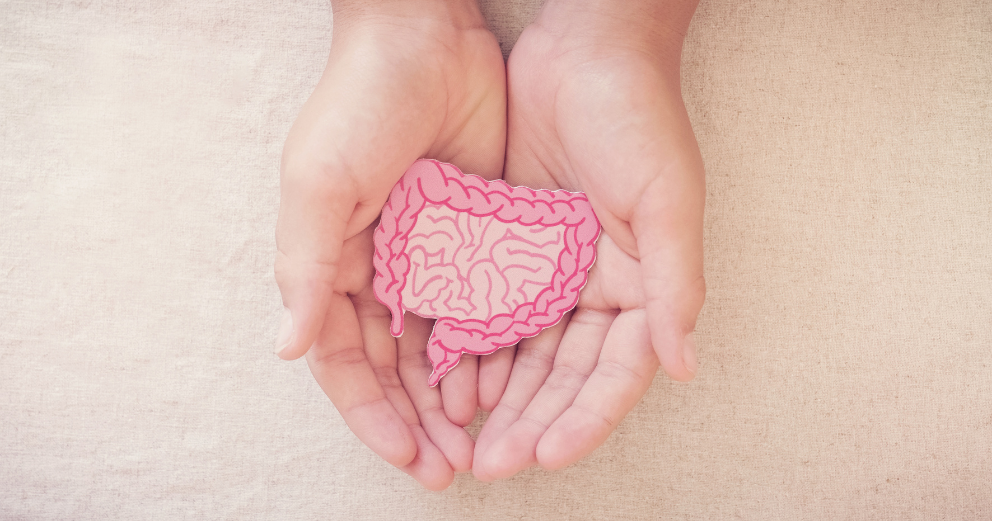
Gut Health and Its Impact on Immunity
There is a reason gastroenterologists have started getting questions that once belonged exclusively to immunologists. The relationship between what happens in the digestive tract and how well the body fights disease has moved from a fringe idea to one of the most actively researched areas in medicine. The gut, it turns out, is far more than a digestion machine. It is where a significant portion of the body's entire immune activity is coordinated.
Understanding this connection will change the way many people think about chronic inflammation, infections, and conditions unrelated to digestion.
What the Gut Microbiome Actually Is
The gut houses trillions of microorganisms. It is a complex community of microbiome that maintains health and several physiological functions in the body. This community consists of bacteria, fungi, viruses and other microorganisms. The bacteria alone comprise hundreds of different species. The composition of the microbiome is different for everyone, which is clinically important.
A healthy gut microbiome maintains the immune response in the body to fight infections. A robust immune system, supported by gut bacteria, reduces the risk of secondary infections and helps target pathogens.
The gut microbiome actively trains the immune system, communicates with it, and regulates the way it responds to threats.
How the Gut and Immune System Work Together
Roughly 70 per cent of the body's immune cells are located in or around the gut. This is not coincidental. The intestinal lining is one of the largest surfaces through which the body interfaces with the outside world. Everything that enters through food, water, and the environment passes through it. The immune system needs to be right there, ready to respond.
The gut microbiome accelerates that response. Healthy bacteria produce short-chain fatty acids to regulate immune cell activity and reduce excessive inflammation. The immune balance is maintained by the gut microbiota, which produces metabolites and compounds that help fight pathogens.
The microbiome also maintains the integrity of the gut lining. A healthy gut lining allows nutrients in, but keeps harmful substances out. When this barrier is compromised, bacteria and their products can enter the bloodstream. It may lead to immune activation that the body was not meant to sustain in the long run.
What Happens When Gut Health Deteriorates
Disruption of the gut microbial community, known as dysbiosis, can compromise the integrity of the gut lining, trigger abnormal immune activation, and lead to the production of inflammatory compounds. These changes are increasingly recognised as contributing factors in the development of chronic inflammatory diseases.
Dysbiosis does not always announce itself with obvious digestive symptoms. A person can have a significantly disrupted gut microbiome and still feel broadly well. At the same time, beneath the surface, the immune system is being driven into a state of chronic low-grade activation. Over time, this is linked to a range of conditions well beyond the gut itself.
Disruption of the gut microbiome-immunity axis is implicated in a broad range of diseases, including autoimmune disorders, allergies, and mental health disorders. Inflammatory bowel disease, rheumatoid arthritis, type 1 diabetes, and certain allergic conditions are all associated with altered gut microbiome composition. The direction of causality is still being studied in many of these, but the association is consistent enough to have changed how these conditions are approached clinically.
What Damages the Gut Microbiome
Several factors consistently reduce the diversity and health of the gut microbiome:
- Repeated or unnecessary use of antibiotics, which kill beneficial bacteria alongside harmful ones, can take months for the microbiome to recover from.
- A diet heavily reliant on processed foods, refined carbohydrates, and sugar feeds less beneficial bacterial species while starving the ones associated with immune regulation.
- Chronic stress alters gut motility and the composition of gut bacteria through the gut-brain axis.
- Insufficient dietary fibre, which is the primary fuel source for beneficial gut bacteria.
- Disrupted sleep affects the circadian rhythm of the microbiome itself.
How to Improve Gut Health
The microbiome responds to what it is fed. Consistently. Dietary fibre from vegetables, legumes, whole grains, and fruit feeds the bacteria associated with immune regulation and a healthy gut lining. The diversity of plant foods matters as much as their quantity. A wider variety of plant sources produces a more diverse microbiome, and diversity is consistently associated with better immune function.
Fermented foods, including yoghurt, kefir, idli, dosa, and fermented pickles, introduce live beneficial bacteria into the gut and have shown measurable effects on microbiome diversity in clinical studies. These are not replacements for a broadly healthy diet, but meaningful additions to improve gut health.
Nutrition, the gut microbiome, and immunity interact as a regulatory axis that is critical for health, with disruption of any element affecting the others. This means that improving gut health and immunity simultaneously often comes down to the same set of habits: eating a varied, fibre-rich diet, managing stress, sleeping consistently, and avoiding unnecessary disruption to the microbiome through overuse of antibiotics.
Managing chronic conditions that affect the gut, including inflammatory bowel disease, coeliac disease, and irritable bowel syndrome, also plays a role. These conditions alter the microbiome in ways that affect immune function, so effective management reduces the negative impact on immunity.
Takeaways
The gut microbiome plays a major role in gut health and immunity. They are responsible for continuously training, regulating, and communicating with the immune system to keep pathogens at bay. Conditions, such as chronic inflammation, autoimmune conditions, allergies, and higher susceptibility to infection, are commonly associated with dysbiosis (disruption of gut bacteria balance).
A healthy gut lining, diverse microbial populations, and adequate dietary support from fibre and fermented foods define the gut bacteria immune system relationship. Improving gut health through diet, stress management, and appropriate medical care for gut conditions are some of the ways to support immune function in the long run.