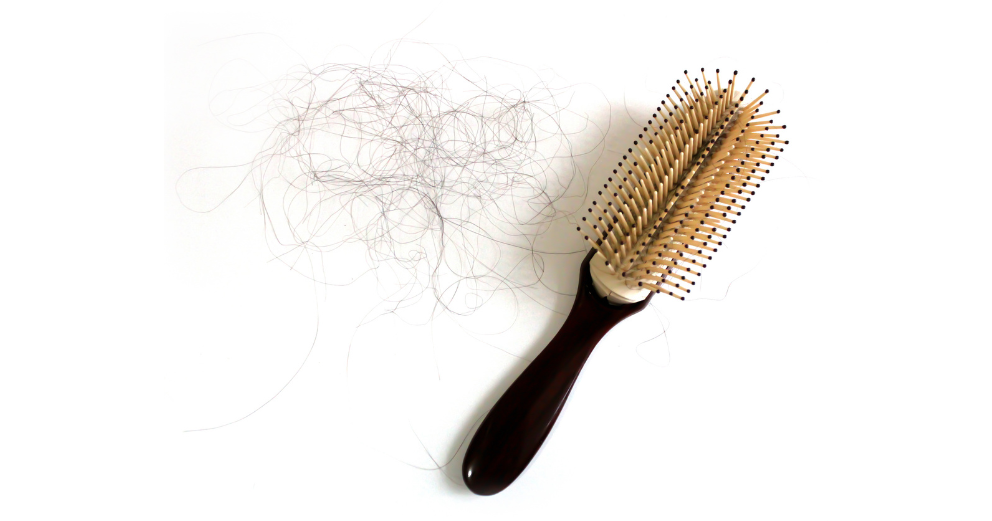
Hair Fall: Lifestyle vs Medical Causes
Losing some hair every day is completely normal. The average person sheds between 50 and 100 strands daily as part of the natural growth cycle. The problem begins when shedding consistently exceeds what is being replaced, or when hair comes out in clumps, patches, or noticeably thinner clusters over time. At that point, understanding what is actually driving the hair fall matters enormously, because the treatment depends entirely on the cause.
Hair fall causes are broadly divided into two categories. Some are driven by lifestyle, meaning they are correctable with changes to diet, habits, and stress levels. Others are medical, meaning they stem from an underlying condition that needs proper diagnosis and treatment. Many cases involve both simultaneously.
Lifestyle hair loss causes
- Nutritional deficiencies
The hair follicle is one of the most metabolically active structures in the body. It needs a regular intake of vitamins and minerals to maintain its normal cycle of growth. The most prevalent nutritional drivers of hair fall include deficiencies in iron, zinc, vitamin D, biotin, and protein.
A diet rich in important nutrients such as vitamin D, biotin, and zinc promotes follicle health to prevent nutritional hair thinning. Restrictive diets that lead to deficiencies should be avoided.
Iron deficiency anaemia is particularly prevalent among women of reproductive age and is a well-established cause of diffuse hair thinning. A ferritin level below a certain threshold is enough to trigger shedding even before anaemia develops. Correcting the deficiency, rather than treating the hair directly, is what produces results.
- Stress and sleep deprivation
Significant physical or emotional stress pushes a disproportionate number of hair follicles into the resting phase simultaneously. The resulting hair fall, called telogen effluvium, typically becomes visible two to three months after the triggering event, which is why people often do not connect it to the stressor.
Surgery, illness, bereavement, rapid weight loss, and prolonged work-related stress are all common triggers. The good part is that telogen effluvium is almost always reversible once the underlying stress resolves. Consistent poor sleep has a similar effect on hair cycling and compounds the impact of stress-related shedding.
- Hair care habits
Excessive heat styling, chemical treatments, tight hairstyles, and aggressive brushing all physically damage the hair shaft and weaken the follicle over time. Styling products such as bleaching, colouring products, hair spray, hair extensions, straightening irons, and hair dryers may all contribute to hair loss when used excessively. Traction alopecia, caused by hairstyles that repeatedly pull on the hairline, can lead to permanent follicle damage if the habit is not changed early enough.
Medical causes of hair loss
- Androgenetic alopecia
This is the most common medical cause of hair loss in both men and women. Genetics also play a major role, with conditions such as androgenetic alopecia resulting in progressive hair loss in a predictable manner. In men, it generally begins with a receding hairline and thinning at the crown.
In women, it tends to produce diffuse thinning across the top of the scalp while the frontal hairline is preserved. Androgenetic alopecia is driven by the sensitivity of hair follicles to dihydrotestosterone, a derivative of testosterone. It is progressive and does not reverse on its own, which is why early hair loss treatment options produce better outcomes than delayed ones.
- Thyroid disorders
Both an underactive and overactive thyroid can cause diffuse hair shedding. Thyroid hormones control the rate of the hair growth cycle. When these hormones are out of balance, follicles do not cycle correctly. Thyroid problems can cause hair loss, generally one of the first signs of a thyroid problem, sometimes before other symptoms are evident. Normal growth is restored not by treating the hair but by treating the state of the thyroid.
- Alopecia areata
Alopecia areata is an autoimmune condition where the immune system mistakenly attacks hair follicles. It typically produces sudden, patchy hair loss in circular or oval areas on the scalp, though it can affect any hair-bearing area of the body. The severity varies considerably. Some people experience one or two small patches that regrow spontaneously. Others progress to more extensive loss.
Treatment includes corticosteroid injections into the affected areas and topical immunotherapy.
- Hormonal changes
Hormones during pregnancy, menopause or thyroid problems might result in a lot of hair loss. Postpartum hair loss is actually rather common. The decline in oestrogen post-partum causes several follicles to enter the shedding phase at the same time.
It usually peaks around 3-4 months after delivery and resolves spontaneously around 6-12 months. Polycystic ovary syndrome, which involves elevated androgen levels, is another hormonal driver of hair thinning in women that requires specific medical management.
- Scalp conditions and medications
Scalp infections, seborrhoeic dermatitis, and psoriasis can all disrupt follicle function and contribute to hair fall if left untreated. Painful conditions including alopecia areata, scalp infections, and autoimmune diseases tend to trigger hair fall and require medical diagnosis before treatment can be directed appropriately.
Medications including chemotherapy drugs, anticoagulants, antidepressants, and certain blood pressure medications are also known to cause hair loss as a side effect.
Hair loss treatment options
Treatment depends entirely on the identified cause. Lifestyle hair loss generally responds to dietary correction, stress management, and gentler hair care practices. Addressing nutritional deficiencies through food and where needed, supervised supplementation, can produce meaningful improvement in shedding over several months.
Medical causes require targeted intervention by a dermatologist or trichologist.
- For androgenetic alopecia, treatment focuses on slowing progression and stimulating follicle activity.
- Platelet-rich plasma therapy, which uses growth factors from the patient's own blood, is increasingly used to support hair regrowth.
- For alopecia areata, treatment is directed at calming the autoimmune response that is attacking the follicles.
- For hormonal causes, managing the underlying hormonal imbalance is the priority, whether that involves addressing a thyroid condition, PCOS, or postpartum changes.
Takeaways
Causes of hair fall might be lifestyle-driven (which can be corrected) due to nutritional deficiencies, stress and hair care practices or medical diseases including androgenetic alopecia, thyroid disorders, hormonal imbalances and auto-immune illness.
If you have ongoing or worsening thinning, sudden patchy loss, or shedding that does not improve after a few months, then it is best to get a diagnosis by way of a consultation with a dermatologist or trichologist, rather than self-managing the issue with over-the-counter medicines alone.