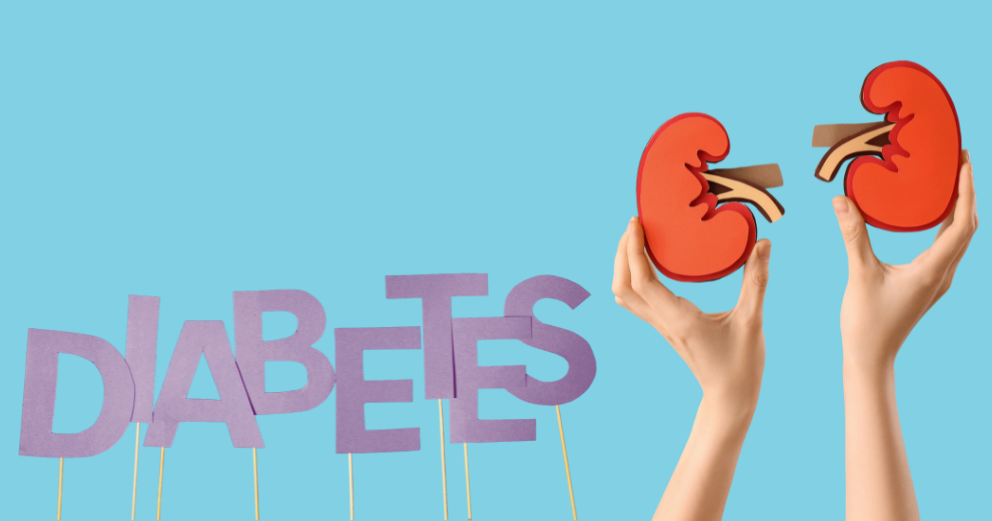
How Diabetes Affects Kidney Health
Diabetes is widely known for what it does to blood sugar. What receives considerably less attention is what years of elevated blood glucose do to the kidneys. Diabetic kidney disease is one of the most serious and most common complications of diabetes, and it develops silently over years before producing any symptoms that prompt concern. By the time most people find out their kidneys are affected, the damage is already well underway.
This is a complication worth understanding early, because the window for meaningful intervention is real, and it is widest before symptoms appear.
Why diabetes damages the kidneys?
Diabetic nephropathy is a chronic loss of kidney function in those with diabetes, and it is the leading cause of chronic kidney disease and end-stage kidney disease worldwide.
The kidneys filter blood through millions of tiny units called glomeruli. Each glomerulus is a delicate cluster of blood vessels with a filtering membrane that separates waste from essential components of the blood.
Sustained high blood glucose damages these vessels in several ways. It thickens and stiffens the walls of the small blood vessels supplying the glomeruli, reduces their ability to filter efficiently, and triggers a process of scarring called glomerulosclerosis.
Early damage to the kidney from high glucose occurs through increased levels of reactive oxygen species, which damage the filtering tissue of the glomeruli and affect the kidneys' ability to remove waste products and fluid from the body.
How diabetic kidney disease develops?
The progression of diabetic nephropathy follows a recognisable pattern, moving through stages that can span decades.
In the earliest stage, the kidneys actually filter too fast. This hyperfiltration places extra stress on the glomeruli and begins to cause structural changes that are not yet visible on standard blood tests.
The first detectable sign is a small amount of protein, specifically albumin, appearing in the urine. This is called microalbuminuria or, more accurately in current terminology, moderately increased albuminuria. At this stage, kidney function measured by eGFR may still be normal.
As damage progresses, protein leakage into the urine increases, eGFR begins to fall, blood pressure rises further, and fluid retention becomes more pronounced. Without intervention, this trajectory leads toward end-stage kidney disease requiring dialysis or transplantation.
The speed of progression varies significantly between individuals and is strongly influenced by how well blood glucose and blood pressure are controlled throughout this process.
Symptoms that appear late
This is what makes diabetes kidney damage so clinically challenging. The early stages produce no symptoms at all. The condition is commonly associated with proteinuria, hypertension, and declining kidney function over time. Swelling in the legs and feet, fatigue, reduced appetite, and foamy urine tend to appear only once kidney function has already declined significantly.
This is why annual screening for kidney disease is a standard part of diabetes management, regardless of how well the diabetes appears to be controlled. Waiting for symptoms before investigating kidney function means waiting too long.
Who is at highest risk?
Diabetic nephropathy can develop in both type 1 and type 2 diabetes, though the timeline differs. In type 1 diabetes, kidney disease typically becomes detectable after ten to fifteen years of the condition. In type 2 diabetes, because the disease is often present for years before diagnosis, kidney damage may already be present at the time diabetes is first identified.
Risk factors that accelerate the progression of diabetes and kidney damage include poorly controlled blood glucose, poorly controlled blood pressure, smoking, obesity, a family history of kidney disease, and the duration of diabetes itself. The longer blood glucose has been elevated, the greater the cumulative damage to the kidney's filtering structures.
How to prevent or slow diabetic kidney disease
- The most important intervention is blood glucose control. Unstable blood glucose is among the primary risk factors for the development and worsening of diabetic nephropathy. Keeping HbA1c within the target range recommended by the treating endocrinologist reduces the rate at which kidney damage accumulates over time.
- Blood pressure control is equally critical. The kidneys are sensitive to the mechanical stress of elevated pressure in their blood vessels, and keeping blood pressure consistently within target range substantially slows the progression of prevent diabetic kidney disease efforts.
- Dietary adjustments play a supporting role. Reducing sodium consumption is important in controlling blood pressure. In the more advanced kidney disease, it is recommended that protein intake be moderated, because excess dietary protein places increased filtering strain on already weakened glomeruli.
- For patients with established diabetic kidney disease, it’s crucial to be adequately hydrated, and to avoid inappropriate use of pain relieving medicines that are known to harm the kidneys.
- Regular exercise improves blood glucose control and cardiovascular health, and indirectly protects the kidneys through its impact on the two major causes of diabetic nephropathy. If you have diabetes, you must stop smoking. Tobacco use independently raises cardiovascular risk and speeds up loss of kidney function.
Monitoring that matters
For people living with diabetes, kidney health should be assessed at least once a year through two tests. A urine albumin to creatinine ratio checks for protein leakage, and an eGFR blood test measures how efficiently the kidneys are filtering. Abnormal levels of urinary albumin are the diagnostic hallmark of diabetic nephropathy and the earliest measurable sign of kidney involvement.
When these tests show deterioration, a nephrology referral allows more specialised assessment and management before the situation reaches an advanced stage.
Takeaways
Diabetes and kidney health are closely related. Over time, high blood glucose and high blood pressure damage the kidneys’ filtering structures. Diabetic nephropathy is the major cause of end-stage kidney disease around the world and is asymptomatic until severe damage has been done. Annual screening through urine albumin and eGFR testing is essential for all people with diabetes, regardless of how well controlled their condition appears.
The most effective strategies to prevent diabetic kidney disease centre on tight blood glucose control, blood pressure management, lifestyle modification, and regular monitoring with a nephrologist involved early when kidney function begins to decline.