How Much Alcohol Is Safe for Your Liver? The Answer May Surprise You
In clinical practice, the most common questions hepatologists hear are: ‘How much alcohol is safe for the liver? Does the quantity make any difference? Are certain types of alcohol – like wine, beer, or spirits – better for the liver than others?
The short answer – no amount of alcohol can guarantee zero health risk. Alcohol consumption is estimated to contribute to 3.3 million deaths globally each year, which translates to around 5.9 % of the overall annual fatalities. In India, alcohol consumption is a major public health concern, with 18.9% of the country’s population aged 15 years and above reportedly consuming alcohol according to NFHS-6 (2023-24). Alcohol is also a key contributor to liver disease in the country, with one study estimating that 42% of adult liver cirrhosis cases in India are attributed to alcohol.
While avoiding alcohol altogether may be the safest choice you make for your liver health, you can lower your risk of alcohol-related health risks by reducing alcohol consumption. However, there is no single amount that can be considered completely risk-free for everyone. The impact of alcohol on the body depends not only upon the quantity or frequency of consumption but also individual factors such as sex, body weight, metabolic health, liver health, and other medical conditions.
In this blog, we shall delve into how alcohol affects the liver, what different drinking levels mean for liver health, whether the type of alcohol makes a difference, and who should avoid alcohol completely.
What Does Alcohol Do to the Liver?
The liver is one of the most critical organs in the human body, performing hundreds of functions essential for health:
- Helps process and store essential nutrients like vitamins, iron, and minerals.
- Produces bile, a fluid that aids digestion and absorption of fats & fat-soluble vitamins.
- Regulates energy metabolism by processing fats, proteins, and carbohydrates and helping maintain the body’s energy balance.
- Helps eliminate toxins from the gut while you digest your food, alcohol, and medications, filtering the blood coming from the stomach and gut.
The liver has a tremendous ability to repair and regenerate itself. However, repeated and/or excessive exposure to substances like alcohol are known to overwhelm this resilient organ’s ability to regenerate. Liver diseases progress for years with few or no noticeable symptoms with the liver continuing to work for years. This means significant damage has already happened before a person realizes something is wrong.
This is one of the key reasons that Alcohol-Related Liver Disease (ALD) can be particularly dangerous. Unlike kidney failure, where dialysis can partially replace some kidney functions in the long run, there is no machine or long-term artificial replacement for liver function. For people with advanced irreversible liver failure, liver transplant may be necessary for survival.
How Does Alcohol Damage the Liver?
Alcohol is a substance that the liver must process and metabolize. During the metabolization process, alcohol is converted into acetaldehyde, a highly reactive, toxic byproduct that can contribute to progressive liver damage. Alcohol metabolism, in addition to damaging liver cells, increases oxidative stress, disrupts normal liver function, and triggers inflammation which can lead to irreversible liver damage.
Remember that the ability of your liver to process alcohol is limited. The amount of alcohol that contributes to liver injury varies from person to person. Factors such as frequency, duration, metabolic profile, and body weight can influence your risk. If you consume too much alcohol, it causes fat to build up and can eventually lead to liver cirrhosis and failure.
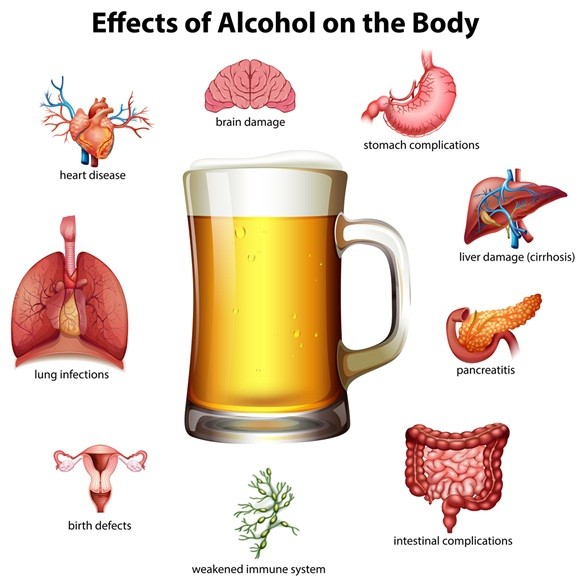
The Stages of Alcohol-Associated Liver Disease
The damage to the liver from alcohol may happen across a spectrum:
Alcohol-Associated Fatty Liver: The stage where fat begins to accumulate in liver cells with few or no symptoms of liver damage. This is often a reversible stage where you can improve liver health by reducing or completely stopping alcohol consumption while addressing other risk factors.
Alcohol-Associated Hepatitis: Continued heavy alcohol exposure can trigger inflammation and injury to liver cells. Hepatitis can vary in severity from mild to severe with visible symptoms such as jaundice, fever, nausea, and abdominal pain. Severe Alcohol-Associated Hepatitis can occur suddenly and may be life-threatening. Often, the only way to improve life expectancy and prevent progressive organ damage is to stop consuming alcohol.
Liver Fibrosis: Repeated liver injury through continued alcohol consumption can cause liver scarring with hard scar tissues replacing normal tissues and affecting normal liver function.
Cirrhosis: Advanced scarring can permanently alter the structure and function of the liver and may lead to complications such as:
- Portal Hypertension
- Ascites
- Variceal Bleeding
- Hepatic Encephalopathy
- Increased Risk of Liver Cancer
- Liver Failure
- Increased Susceptibility to Infections
- Kidney Dysfunction
- Bone & Cardiovascular Complications
Note: Not everyone who drinks alcohol may experience liver damage as a linear process – going from one stage to the next predictably. The risk and rate of progression vary between individuals and are influenced by a number of risk factors.
The Risk Factors: Who is More Vulnerable to Alcohol-Associated Liver Damage?
The risk and progression of liver damage due to alcohol is influenced by a number of risk factors beyond the amount and frequency of alcohol consumption. Two people drinking similar amounts of alcohol may not experience the same degree of liver damage because individual susceptibility varies.
Biological Sex: Several studies have found that women are susceptible to alcohol-associated liver injury than men and are more likely to develop severe liver damage even with lower amounts and shorter durations of alcohol consumption. Differences in body composition, alcohol metabolism, and hormonal factors contribute to this increased vulnerability.
Duration & Patterns of Drinking: If you have been drinking for several years or started drinking at a younger age, you are more likely to develop ALD. Similarly, binge drinking, drinking outside of meals, and chronic heavy drinking increase your likelihood of developing permanent liver damage.
Obesity and Metabolic Dysfunction: Obesity, insulin resistance and metabolic dysfunction can increase susceptibility to alcohol-associated liver injury. Having both metabolic risk factors and significant alcohol consumption can increase the overall burden on the liver.
Diabetes: People with diabetes, particularly those with poorly controlled blood sugar, may have a higher risk of advanced liver disease when combined with significant alcohol consumption. Diabetes and alcohol can also contribute to overlapping metabolic and inflammatory stress that promote liver injury.
Smoking: Smoking is another key risk factor for developing Alcohol-Associated Liver Disease. Smoking, when combined with other factors, accelerates the likelihood of developing fibrosis, cirrhosis, and liver cancer in alcohol drinkers.
Hepatitis & Existing Liver Disease: The presence of Hepatitis, Fatty Liver Disease, and other liver diseases may accelerate the risk of permanent liver damage in individuals consuming alcohol.
Genetic Factors: Some individuals are predisposed to developing alcohol-associated liver damage because of ethnicity and other genetic factors as they influence how your liver break downs alcohol and processes fat.
Age: Older age is often associated with a greater burden of other metabolic and medical conditions that can increase vulnerability to alcohol-related liver injury. However, it is not accurate to assume that the liver simply loses its ability to metabolise alcohol with age.
How Much Alcohol is Safe for Healthy Adults?
To answer the question: what is a safe amount of alcohol to have for healthy adults? – there is no guaranteed safe amount of alcohol that ensures zero risk to your liver health. Alcohol is primarily metabolized by the liver and the risk of harm caused by drinking generally increases with the amount, frequency, and other factors.
Health guidelines in different countries define levels of alcohol consumption that are considered low risk. But you must understand that these limits are neither ‘completely safe’ for the liver nor a recommendation to start drinking.
The important principle remains: the less alcohol you consume, the lower your risk of developing alcohol-associated liver damage and other health risks.
What is Considered Heavy Alcohol Drinking? Is It Different from Binge Drinking?
Heavy alcohol drinking refers to drinking above the recommended low-risk limits over a sustained period of time. This definition varies across countries and health organizations.
The US National Institute on Alcohol Abuse and Alcoholism (NIAAA) defines heavy drinking as:
- Men: 5 or more drinks on any day or 15 or more drinks per week
- Women: 4 or more drinks on any day or 8 or more drinks per week
In the US, one standard drink contains approximately 14 grams of pure alcohol. The actual amount of alcohol in a serving can vary considerably depending on the beverage and serving size.
Binge drinking refers to consuming a large amount of alcohol over a short period, resulting in a rapid rise in blood alcohol levels. Unlike heavy drinking, where one drinking excessively over a longer period of time, binge drinking focuses on how much alcohol is consumed in a single drinking session.
According to the NIAAA, binge drinking typically means consuming:
- Men: 5 or more drinks within about 2 hours
- Women: 4 or more drinks within about 2 hours
The World Health Organization (WHO) also offers a definition of excessive drinking: the consumption of 6 or more standard alcoholic drinks per day is considered heavy continuous drinking. A standard alcoholic drink as per WHO being 10 grams, heavy continuous drinking is defined as drinking 60 grams or more of pure alcohol per day.
The key takeaway is that both the amount of alcohol consumed over time and the pattern in which it is consumed matter. Regular heavy drinking and repeated binge-drinking episodes can both increase the risk of alcohol-related health problems, including liver injury.
Some Practical Low-Risk Drinking Advice
There is no single internationally accepted definition of low-risk drinking, and India does not currently have a single nationally standardized threshold that can be applied to every adult.
For a healthy adult who chooses to drink, the safest approach is to drink less, drink less frequently and avoid heavy or binge drinking. Any international drinking limits should be understood as lower-risk thresholds, not guaranteed safe limits.
- No alcohol is the lowest-risk choice.
- Avoid drinking heaving or consuming large amounts in a single session.
- Don’t drink alcohol daily, even if it is within the ‘low-risk’ limit.
- Try to have several drink-free days each week to reduce overall exposure.
- Do not save up during the week and consume all at once on occasions or during weekends.
- Avoid getting drunk even occasionally.
- Avoid binge-drinking sessions including weekend bingeing.
- Children below 18 years of age and pregnant women should strictly avoid alcohol.
- If you belong to the risk categories, abstinence is the safest choice. If you wish to consume alcohol, you should consult your hepatologist and discuss your options.
- It is advisable to drink with food rather than on an empty stomach.
Remember: Staying hydrated may help reduce dehydration associated with drinking, but it does not prevent alcohol-related liver damage. There is no food, supplement, “detox” or drinking strategy that can cancel out the effects of alcohol.
Does the Type of Alcohol Make a Difference?
One of the biggest myths is that some alcoholic beverages are better for the liver than others. You may have heard that wine is heathier than beer or that clear spirits are safer than dark spirits or that alcoholic drinks with fewer additives are safer. For your liver, however, the amount and frequency of alcohol consumption, along with individual risk factors, matter more than the type of alcoholic beverage you choose.
Every type of alcoholic beverage – whether beer, wine, whisky, or other spirits – contains ethanol, which is primarily responsible for alcohol-associated liver injury and damage. The liver must metabolize ethanol, no matter the source. So, drinking large quantities of lower-strength beverages like beer can increase your alcohol exposure substantially, just as drinking a smaller quantity of a stronger drink like rum or whisky can.
It is also important not to view alcoholic beverages like red wine as a source of health benefits because they contain antioxidants. The risk associated with alcohol consumption far outweighs the potential health benefits associated from these compounds. In fact, the health benefits can be obtained from non-alcoholic beverages and foods.
There is no alcoholic beverage that is completely safe or healthy for the liver. The key is drinking less and lowering the risk of alcohol-associated liver damage.
Who Should Strictly Avoid Alcohol?
For some categories of individuals, drinking any amount of alcohol is high and risky. You must avoid alcohol and completely abstain if you:
- Are pregnant or trying to get pregnant
- Have Alcohol-Associated Liver Disease or Cirrhosis
- Have a history of ALD
- Have fatty liver, viral hepatitis or other liver diseases
- Have diabetes, especially uncontrolled diabetes
- Take medicines, especially those that interact adversely with alcohol
- Children, adolescents and anyone below the legal drinking age.
Concluding Thoughts: When it Comes to Alcohol, Less is Better for Your Liver
There is no guaranteed ‘safe’ or ‘zero risk’ amount of alcohol when it comes to your liver health. While drinking less and less frequently lowers the risk of alcohol-associated liver damage, the actual impact differs from person to person based on risk factors such as biological sex, age, duration and pattern of drinking, metabolic health, and overall liver health.
Remember that you do not have to be a daily drinker to develop Alcohol-Associated Liver Disease (ALD). Regular heavy drinking, repeated binge drinking episodes, and excessively drinking ‘mild’ drinks can place significant stress on your liver and increase the risk of liver damage.
The safest choice for liver protection is abstinence. If you choose to drink, you should know your individual risk factors and how your drinking pattern influences the risks of liver damage. If you already have liver disease, you must discuss with your hepatologist whether you should avoid alcohol completely.
Your liver is a resilient organ; but protecting it is far easier than treating advanced liver damage.
About the Author
Dr. KN Chandan Kumar is the Director of Hepatology and Transplant Hepatology at KIMS Hospitals, Hyderabad, with over 15 years of experience in managing complex liver diseases. He is among the early DM-qualified Hepatologists from the Institute of Liver and Biliary Sciences (ILBS), New Delhi, and has received international training in Transplant Hepatology at Mount Sinai Medical Center, New York, and Liver Intensive Care at King’s College Hospital, London. His areas of expertise include acute-on-chronic liver failure, portal hypertension and liver transplantation.