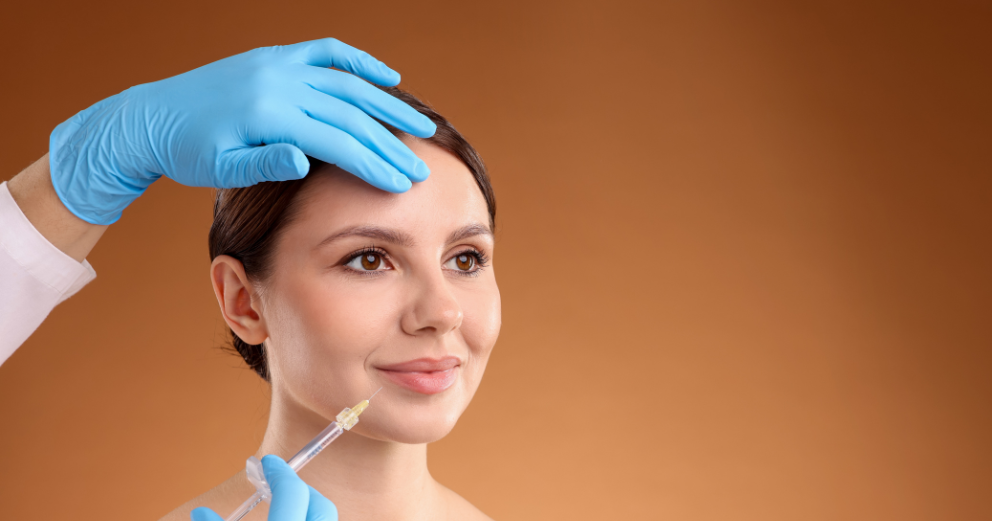
Is Cosmetic Surgery Safe?
The number of people seeking cosmetic procedures has risen sharply over the past decade. Social media has made these surgeries more visible, clinics have multiplied, and the perception that cosmetic procedures are routine has grown alongside the industry itself. That perception is worth examining carefully. Cosmetic surgery is real surgery, carried out under real anaesthesia, with real potential for complications. Whether it is safe depends far less on the procedure itself than on who performs it and where.
The honest answer on safety
Plastic surgery is real surgery with real risks, and the risk of complications with any surgery is never zero.
Minor complications such as bruising and swelling occur in most patients but resolve without intervention. More serious complications, including infection, bleeding, and adverse reactions to anaesthesia, occur in approximately 1 to 5% of cases across all cosmetic procedures.
That range reflects a wide spectrum. A straightforward rhinoplasty in a healthy 30-year-old performed by a trained Plastic Surgeon in an accredited facility carries a very different risk profile from a Brazilian butt lift performed in an unregulated setting. The procedure matters, but the context matters far more.
What makes cosmetic surgery riskier
Certain factors consistently raise the cosmetic surgery risks:
- Combining multiple procedures in a single session, which increases physiological stress and the duration of anaesthesia
- Obesity, which raises the risk of anaesthetic complications, wound healing problems, and deep vein thrombosis
- Poorly documented pre-operative assessment, where underlying health conditions are not identified before surgery
- Having procedures performed in non-accredited facilities or by practitioners without appropriate surgical training or experience
- Choosing the wrong provider is one of the biggest risks in cosmetic surgery. Complications including infections, scarring, nerve damage, and anaesthesia-related issues are significantly more common when procedures are carried out by inadequately trained practitioners.
Surgical vs non-surgical: different risk profiles
Surgical cosmetic procedures, such as facelifts, liposuction and abdominoplasty have intrinsic operating risks which include bleeding, infection, anaesthetic problems, scarring and nerve damage. The results are more long-lasting, but recovery may take longer and there is lesser margin for error.
Non-surgical techniques may involve less danger, but if done incorrectly, the risk is still there:
- Injecting dermal fillers into a blood artery can cause tissue death, scarring, or even blindness in rare situations.
- Botox injections can cause muscle paralysis and nerve damage if administered improperly
- Chemical peels and laser treatments can cause burns, pigmentation alterations and scarring in inexperienced hands
Not all procedures that do not entail surgery are without danger. But it’s only lower risk when it’s done right by a skilled specialist.
The practitioner question is the most important one
Adverse events including serious infections and long-term disfigurement are more common when safety standards are not met. Surgeons' expertise, accredited facilities, and thorough pre-operative assessment play pivotal roles in minimising adverse events.
The growth of cosmetic clinics, beauty salons, and online marketing of cosmetic procedures coupled with a lack in regulation has created a landscape where patients cannot always easily distinguish between appropriately trained practitioners and those who are not. Before agreeing to any procedure, patients should verify:
- That the surgeon holds national board certification in plastic and reconstructive surgery or an equivalent recognised qualification. Short-duration certification courses are not substitutes to formal training.
- That the procedure will be performed in an accredited facility, not a clinic without appropriate emergency backup
- That a formal pre-operative consultation has been conducted, including a medical history and discussion of specific risks
- That the surgeon has specific experience performing the planned procedure, not just general surgical experience
Questions every patient should ask before proceeding
Walking into a cosmetic consultation prepared with specific questions protects the patient. The key questions worth asking include:
- What are the risks of this procedure specific to my health history and anatomy?
- How many times have you performed this procedure, and what is your complication rate?
- Where will the procedure be performed and what accreditation does the facility hold?
- What does the recovery involve and at what point should I seek urgent medical attention?
- What happens if I am not satisfied with the outcome?
Patients must be fully informed of the side effects and hazards before making a decision and this information should be given by a competent medical practitioner and not a sales-based consultation. A consultation full of results and pricing but light on the details of the risks is a warning indicator to pay attention to.
Takeaways
Cosmetic surgery safety is not a fixed property of the procedure. It depends on the qualifications of the practitioner, the standards of the facility, the health of the patient and how comprehensively the pre-operative assessment has been done. The risks of cosmetic surgery are real and include infection, nerve damage and anaesthetic problems, which are considerably increased when treatments are conducted outside authorised therapeutic conditions.
Safe cosmetic procedures require choosing a cosmetic surgeon, having the procedure in an accredited facility, and going into the consultation with the right questions. Anyone considering a cosmetic procedure should prioritise due diligence over convenience or cost when choosing their surgeon.