Kite Injuries During Festivals: What Every Family Needs to Know
Introduction
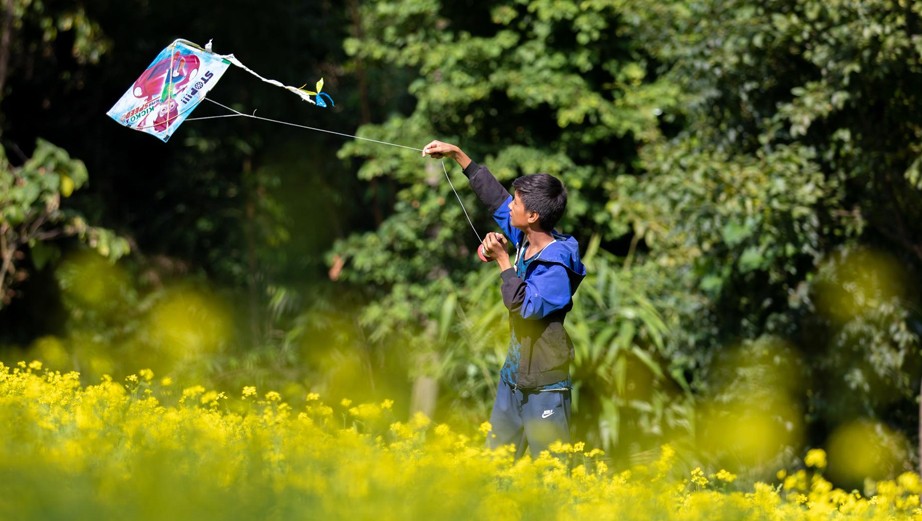
Sankranthi is one of the most anticipated festivals in Karnataka, Andhra Pradesh, and Telangana. The skies fill with colour. Terraces become gathering points. For many families, kite flying is as central to the celebration as the food and the harvest rituals. It is also one of the leading causes of preventable injuries presenting to emergency departments. The injuries range from minor cuts to life-threatening lacerations. Some happen to the person flying the kite. Many happen to bystanders, cyclists, and motorists who had nothing to do with the kite. Understanding the risks and what to do when something goes wrong is as important as enjoying the festival itself.
The Danger Is Mostly the Thread, Not the Kite
This is the part most people underestimate. A kite falling from the sky is a minor inconvenience. The thread is where serious injuries happen.
Traditional cotton thread carries some risk. Synthetic Chinese thread carries substantially more risk. This thread is coated with a mixture of glass powder, metal fragments and adhesives. Under tension, it behaves like a wire. It does not give - it cuts.
A thread under the weight and pull of a kite in wind has enough force to slice through skin, tendons, and in documented cases, deeper structures of the neck and throat. Emergency departments across South India see these injuries every Sankranthi. Several fatalities are reported nationally each year from thread-related neck injuries to motorcyclists and cyclists caught by threads stretched across roads.
The use of synthetic thread is banned in multiple states. The ban is inconsistently enforced. It remains widely available and widely used.
Types of Kite Injuries
Finger and hand lacerations are the most common. A kite pulling sharply, or a thread slipping through the fingers under tension, produces deep cuts that often sever tendons. These injuries look like clean cuts. Tendon damage, if missed and untreated, causes permanent loss of finger movement.
Neck and throat injuries occur when the thread stretched between buildings or poles catches a moving person, usually someone on a two-wheeler. The thread contacts the neck at speed. The resulting lacerations can be deep. Some involve the trachea (wind pipe) or major blood vessels. These are immediately life-threatening and require emergency surgery.
Eye injuries happen when a thread snaps under tension and whips back toward the face, or when a falling kite strikes the eye directly. Chemical coatings on synthetic manja also cause chemical burns to the cornea.
Fall injuries from terraces are a separate category. People running across rooftops to retrieve kites or losing footing on the edge of a terrace, sustain fractures, head injuries and spinal injuries. Children are at higher risk. A single misstep on a crowded terrace can have serious consequences.
First Aid for Kite Injuries
For cuts and lacerations: Apply firm, direct pressure with a clean cloth immediately. If the bleeding hasn't slowed after a full 10 minutes of keeping that pressure on don't wait and get emergency attention. Deep cuts to the fingers or hands even if bleeding appears controlled, should be evaluated for tendon injuries before assuming all is well.
For neck injuries: Do not move the person unnecessarily. Keep them still, maintain firm pressure on the wound if accessible and call emergency services immediately. Neck lacerations from thread can involve structures that are not visible from the surface.
For eye injuries: Do not rub the eye. Do not attempt to remove anything embedded in the eye. Rinse gently with clean water if chemical exposure is suspected. Cover loosely with a clean pad and do not apply pressure. Go to an emergency department immediately.
For fall injuries: If there is any possibility of head, neck or spinal involvement, do not move the person until emergency services arrive. For isolated limb injuries, immobilise and transport carefully.
When to Go to the Hospital
Go immediately for:
- Any laceration that is deep or continues to bleed after pressure
- Cuts to the fingers where tendon injury is possible
- Any neck or throat injury
- Eye injuries of any kind
- Loss of consciousness following a fall
- Electrical contact of any duration
- Children who have fallen from height.
Prevention
Most kite injuries are preventable with specific precautions:
- Use only cotton thread. Refuse to purchase or use synthetic thread regardless of its perceived performance advantage. The thread that flies better is the thread that cuts deeper.
- Fly kites from open ground, not rooftops, when children are involved. If flying from a terrace establish clear boundaries and keep children away from the edges. Never run on a terrace.
- Wear gloves or use a wooden spool to manage thread. Bare hands wrapped in fast-moving manja under tension is how finger lacerations happen.
- Two-wheeler riders should be especially cautious during Sankranthi in urban residential areas. Ride at reduced speeds. Watch for threads at neck height across lanes and between buildings.
Emergency Care at KIMS Hospitals, Bengaluru
KIMS Hospitals, Bengaluru is equipped to manage the full range of kite-related injuries like hand and finger lacerations requiring tendon repair to complex neck wounds, eye emergencies, and trauma from falls. The emergency department operates round the clock. Plastic surgeons, ophthalmologists, and trauma specialists are available to handle presentations that require more than basic wound care.
During Sankranthi, emergency services are on heightened readiness. Come in early. The difference between a complete tendon repair and a permanent functional deficit is often how quickly the injury was assessed.
Conclusion
Kite flying does not have to carry this risk. The injuries that fill emergency departments every Sankranthi are not the unavoidable cost of celebration - they are preventable. They are the result of specific, identifiable choices like synthetic thread, unsupervised children on terraces, inadequate hand protection and delays in seeking care.
Fly kites. Enjoy the festival. Do it with the awareness that the thread in your hands is the most dangerous part of the activity and manage it accordingly.