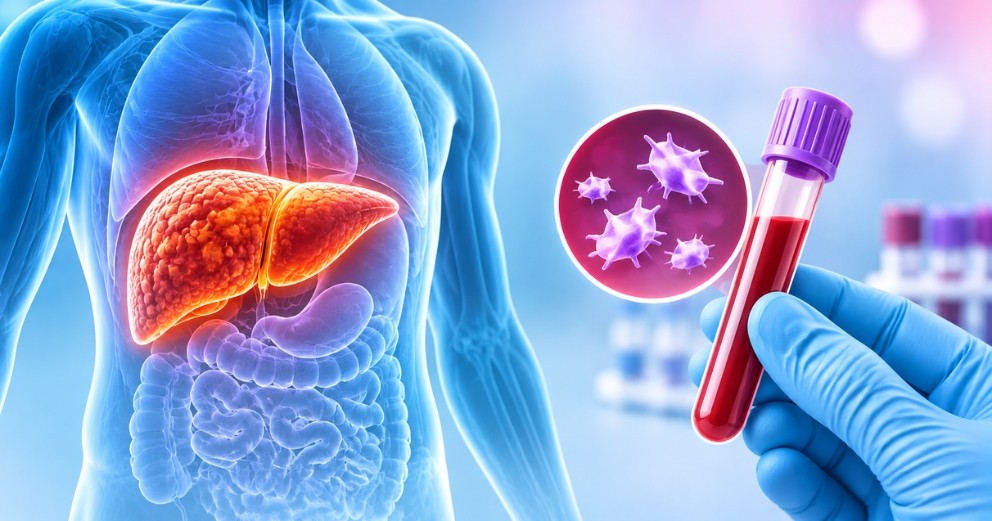
Low Platelet Counts and Their Possible Connection to Chronic Liver Disease
A blood test showing a low platelet count is one of the most common incidental findings in medical practice, and also one of the most misunderstood. Many patients who receive this result assume it means they have a blood disorder, when in reality a significant proportion of low platelet counts seen in adults, particularly in the Indian population where chronic liver disease is prevalent, are directly related to the liver and not to the bone marrow or blood at all.
This link is important to understand for a number of reasons. It alters the course of the investigation, it implies a diagnosis with implications that extend far beyond a single blood test result, and it suggests that treating the low platelets in isolation, without addressing the liver condition that is causing them, is unlikely to offer a lasting solution.
What Platelets Do and What a Low Count Means
Platelets are nothing but small cell fragments produced in your bone marrow that circulate in the blood and further aggregate at sites of injury to form the initial plug that stops bleeding. A normal platelet count falls between 150,000 and 400,000 per microlitre of blood. When the count falls below 150,000, the condition is called thrombocytopenia.
The clinical importance of a low platelet count depends on how low the count is and what is generating the low count. Mild thrombocytopenia (100,000 - 150,000) rarely shows bleeding symptoms. Easy bruising and prolonged bleeding from cuts can occur with mild to moderate thrombocytopenia (50,000 to 100,000). Severe thrombocytopenia below 50,000 carries a significant risk of spontaneous bleeding, and below 20,000 is a medical emergency.
The Liver-Platelet Connection
The liver's role in platelet regulation is less widely known than its role in metabolic or digestive function, but it is direct and significant on multiple levels.
Thrombopoietin production
The liver produces thrombopoietin, the primary hormone that signals the bone marrow to produce platelets. In chronic liver disease, the functioning liver cell mass is reduced, thrombopoietin production falls, and the bone marrow consequently produces fewer platelets.
Splenomegaly and platelet sequestration
Portal hypertension, the highly increased pressure in the portal venous system that results from cirrhosis and other causes of chronic liver disease, causes the spleen to enlarge. The enlarged spleen traps and destroys platelets at an accelerated rate, sequestering up to 90% of the circulating platelet pool in severe cases. This is often the dominant mechanism for low platelet count in liver disease and can produce platelet counts well below 50,000 in patients with advanced cirrhosis and significant splenomegaly.
Reduced clotting factor production
While this is distinct from platelet production, the liver also produces the majority of clotting factors, and their reduction in chronic liver disease compounds the bleeding risk that thrombocytopenia creates. A patient with both a low platelet count and reduced clotting factor levels, both driven by the same underlying liver disease, has a substantially higher bleeding risk than either abnormality alone would suggest.
Immune-mediated platelet destruction
In some liver conditions, particularly autoimmune hepatitis and viral hepatitis, immune mechanisms contribute to platelet destruction alongside the mechanical and hormonal mechanisms described above.
Conditions That Cause Both Liver Disease and Low Platelets
Several common conditions in India produce the combination of chronic liver disease and thrombocytopenia:
- Alcoholic liver disease - one of the leading causes of cirrhosis in India, producing thrombocytopenia through all the mechanisms described above, and additionally through direct bone marrow suppression by alcohol
- Non-alcoholic fatty liver disease (NAFLD) and NASH - increasingly common in the Indian population alongside rising rates of obesity and type 2 diabetes
- Hepatitis B and C - both of which cause chronic liver inflammation that progresses to cirrhosis over years, and both of which carry their own immune-mediated effects on platelet counts
- Autoimmune hepatitis - where immune-mediated liver destruction is often accompanied by immune-mediated thrombocytopenia
- Wilson's disease and haemochromatosis - metabolic conditions causing progressive liver damage
- Primary biliary cholangitis - an autoimmune condition affecting the bile ducts within the liver
When a Low Platelet Count Should Prompt Liver Investigation
Not every low platelet result requires a liver screen. But certain accompanying features should direct the investigation toward the liver:
- Mild elevation of liver enzymes (ALT, AST, GGT) on the same blood test
- An enlarged spleen identified on examination or incidentally on imaging
- A history of alcohol use at levels associated with liver damage
- Known hepatitis B or C infection
- Metabolic risk factors including obesity, type 2 diabetes, or dyslipidaemia
- Signs of chronic liver disease on examination including spider naevi, palmar erythema, or jaundice
- A platelet count that has been falling gradually on sequential blood tests
The Investigation Pathway
When thrombocytopenia and liver disease are suspected to be connected, the investigation typically involves liver function tests, hepatitis B and C serology, autoimmune liver antibodies, imaging of the liver and spleen with ultrasound to assess liver texture, spleen size, and portal vein flow, and where indicated, a fibroscan or liver biopsy to assess the degree of fibrosis.
Management Of The Condition
The primary treatment for thrombocytopenia due to chronic liver disease is treatment of the underlying liver illness. When alcohol is the cause, stopping alcohol consumption leads to significant improvements in platelet counts over weeks to months. Antiviral therapy for hepatitis C can now cure >95% of patients and platelet counts improve markedly after viral clearance. Over time, treatment of portal hypertension by various techniques can reduce splenomegaly.
The Broader Message
A low platelet count is not a diagnosis. It is a finding that requires explanation. When it occurs in the context of risk factors for chronic liver disease, the liver is often the right place to look first. Finding and treating the liver condition early, before cirrhosis has developed or progressed significantly, is what changes the long-term outcome for the patient, with the platelet count being only one of many things that improve when the liver is better.