Thursday, November 12, 2026
Lung Cancer: Early Symptoms, Causes, Risk Factors, and Treatment Options
Introduction
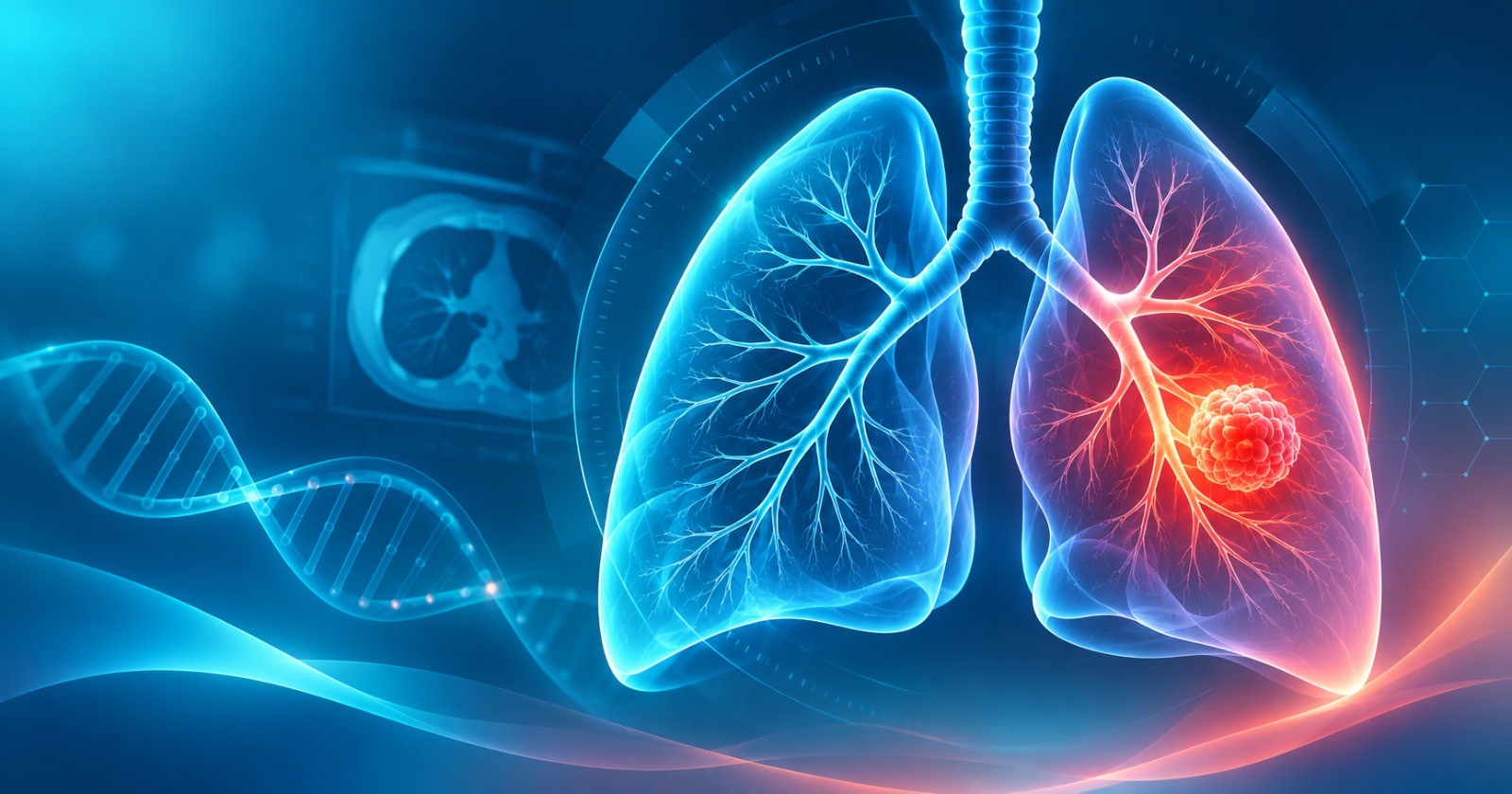
Lung cancer develops when abnormal cells in the lungs grow uncontrollably. It is one of the most common and serious types of cancer, but awareness of its symptoms, risk factors and available treatments can help people make informed healthcare decisions. One challenge with lung cancer is that it may not cause noticeable symptoms during its early stages. This can delay lung cancer diagnosis and lung cancer treatment in Thane. At KIMS Hospitals, Thane, we encourage people to understand the warning signs, recognise potential risk factors and seek medical advice when necessary.
What Are the Early Symptoms of Lung Cancer?
Lung cancer may not produce noticeable symptoms in its early stages. Some cases are discovered during imaging tests performed for other medical reasons. When symptoms do appear, they may include a persistent cough, chest discomfort, breathlessness, or unexplained weight loss. A cough that does not go away or gradually becomes worse is one of the common warning signs. Other symptoms include coughing up blood, wheezing, hoarseness, repeated respiratory infections, loss of appetite, and persistent fatigue.
What Are Stage 1 Lung Cancer Symptoms?
People often search for Stage 1 lung cancer symptoms because they want to know whether the disease can be identified early. However, stage 1 lung cancer may not cause noticeable symptoms. Some individuals may experience a mild persistent cough, occasional chest discomfort, or breathlessness, while others may have no symptoms at all. This is why people with significant risk factors should discuss appropriate evaluation with a lung cancer specialist in Thane. Symptoms alone cannot establish the stage or confirm the presence of lung cancer.
What Causes Lung Cancer?
Lung cancer develops when changes in the DNA of lung cells cause them to grow and multiply abnormally. Tobacco smoking is the leading cause, but people who have never smoked can also develop the disease. Exposure to secondhand smoke, air pollution and certain workplace substances, including asbestos, silica and diesel exhaust, can increase the risk. Radon exposure and certain inherited genetic factors may also contribute. People working in such environments should undergo testing to diagnose lung cancer.
How Is Lung Cancer Diagnosed?
When lung cancer is suspected, doctors evaluate the patient's symptoms, medical history, smoking history and other risk factors before recommending investigations.
The tests to diagnose lung cancer may include imaging procedures such as a chest X-ray or CT scan to identify suspicious areas in the lungs. A PET-CT scan may be recommended to assess whether the disease has spread. Bronchoscopy or a needle biopsy may be performed to collect tissue samples for laboratory examination.
A biopsy is important because imaging alone cannot confirm cancer. The collected tissue is examined to establish the diagnosis and identify the cancer type. Additional molecular testing may help identify changes that can guide treatment selection.
What Are the Treatment Options for Lung Cancer?
The treatment plan depends on the type of lung cancer, its stage, molecular characteristics, and the patient's overall health. The oncology team may recommend one treatment or a combination of approaches. Surgery may be considered for selected patients, particularly when the cancer is localised and can be safely removed. Chemotherapy for lung cancer uses medicines to destroy cancer cells or control their growth. It may be recommended before or after surgery, or as part of treatment for more advanced disease. Radiation therapy for lung cancer uses high-energy radiation to damage cancer cells. It may be used as the primary treatment in certain situations, after surgery, or alongside chemotherapy. Other options include targeted therapy, which acts on specific molecular changes in cancer cells, and immunotherapy, which helps the immune system recognize and respond to cancer. Not every patient is suitable for every lung cancer treatment in Thane. The treating team determines the approach after reviewing diagnostic findings and the patient's condition.
Lung Cancer Treatment in Thane at KIMS Hospitals
At KIMS Hospitals, Thane, our Department of Medical Oncology provides assessment and medical management for lung cancer. Our team works with radiation oncologists and surgical specialists to discuss treatment approaches based on each patient's diagnosis and clinical requirements.
Our medical oncology services include chemotherapy, immunotherapy, and targeted treatments. Our Radiation Oncology Center also provides radiation treatment approaches, including IMRT and IGRT, where clinically appropriate. If you are considering lung cancer treatment in Thane, consulting a qualified specialist can help you understand your diagnosis and available treatment options. A lung cancer specialist in Thane can assess your medical history, review investigation reports, and guide you through the next steps. For individuals seeking a lung cancer diagnosis in Thane, timely medical evaluation can help identify the cause of symptoms and determine whether further investigations are needed. Consulting an oncologist in Thane is also important when a scan or biopsy indicates a possibility of cancer. At KIMS Hospitals, we encourage patients to discuss their concerns with our medical team and make decisions based on an individual clinical assessment.
Conclusion
Lung cancer may not cause noticeable symptoms in its early stages, making awareness of risk factors and timely medical evaluation important. Persistent cough, coughing up blood, unexplained weight loss, and breathing difficulties should be assessed by a doctor. For individuals at higher risk, discussing the need for lung cancer screening in Thane with a qualified specialist can help identify potential concerns at an early stage.
Understanding the available diagnostic tests and treatment approaches can help patients make informed decisions. At KIMS Hospitals, Thane, we encourage individuals to seek reliable medical guidance and consult a qualified specialist about persistent respiratory symptoms or concerns.
Frequently Asked Questions
1) Can lung cancer develop in people who have never smoked?
Yes. Although smoking is the leading risk factor, lung cancer can also develop in people who have never smoked. Air pollution, secondhand smoke, occupational exposures, and other factors may contribute.
2) What are the early warning signs of lung cancer?
A persistent cough, chest discomfort, breathlessness, coughing up blood, unexplained weight loss, and repeated respiratory infections may be warning signs. These symptoms can also occur with other conditions.
3) Which tests can diagnose lung cancer?
Imaging tests help identify suspicious areas, while a biopsy is generally required to confirm the diagnosis. Additional tests may help determine the cancer type and stage.
4) Can lung cancer be treated?
Yes. Lung cancer treatment in Thane includes options of surgery, targeted therapy, immunotherapy, chemotherapy & radiation therapy for lung cancer. The appropriate approach depends on the cancer type, stage, and individual health factors.
5) When should I consult an oncologist in Thane?
You can consult a lung cancer specialist or an oncologist in Thane if you experience persistent or unexplained respiratory symptoms or have abnormal imaging results. If lung cancer is suspected or confirmed, an oncologist can guide further evaluation and treatment planning.
Footer Loading...