Metabolic Diseases: The Silent Health Crisis We Can Prevent
- By Amreen Sheikh, Chief Dietitian
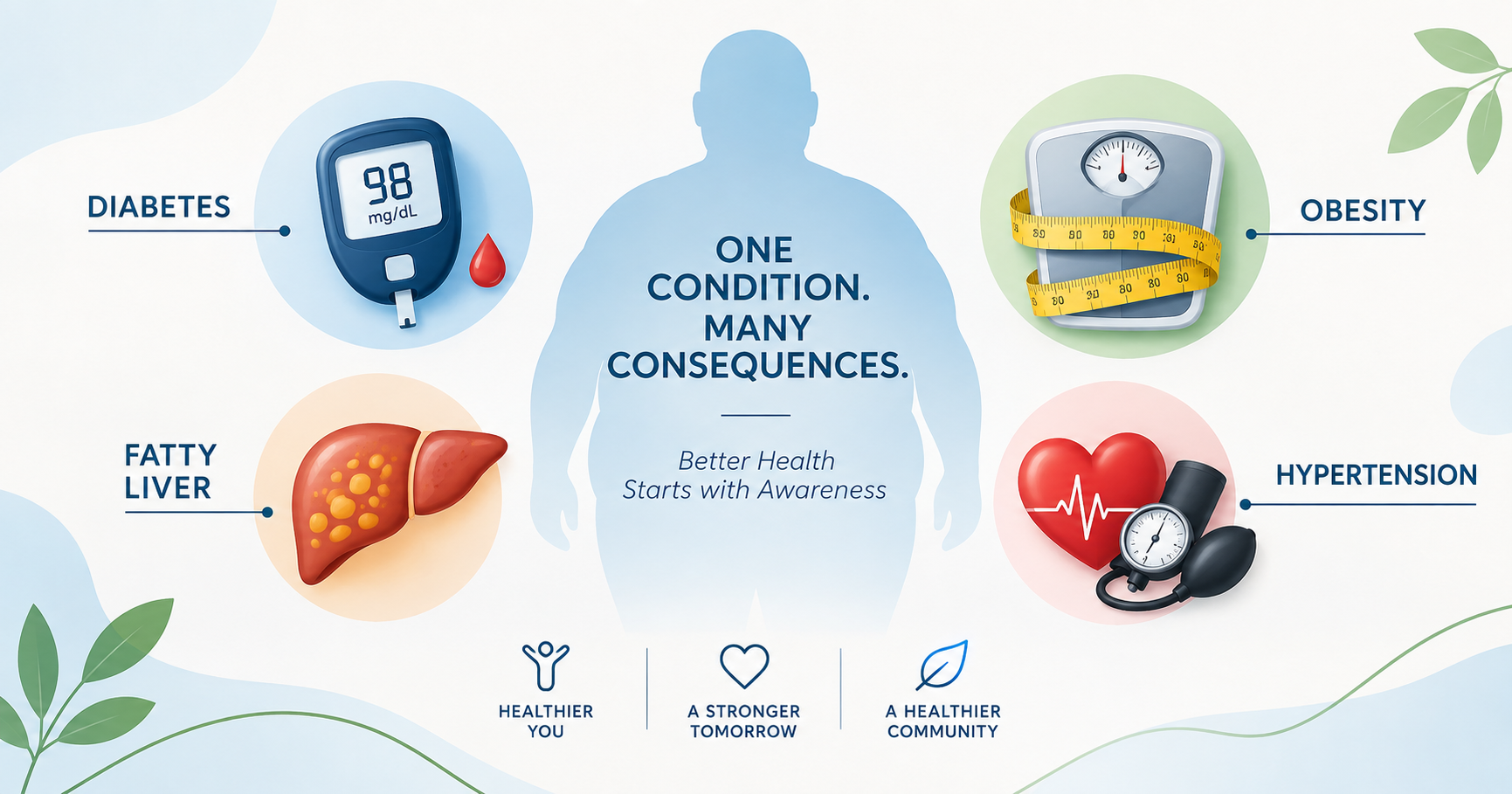
Diabetes. Obesity. High blood pressure. Fatty liver disease. If you've noticed more people around you dealing with one (or several) of these, you're not imagining things. Lifestyle diseases are climbing fast across India, and while they can look like separate problems on paper, they usually trace back to the same root cause: poor metabolic health.
Think of your metabolism as your body's engine. It takes the food you eat and turns it into energy while quietly managing things like blood sugar, cholesterol, blood pressure, and how (and where) you store fat. It's working in the background every second of the day. But when that engine gets overworked, whether from unhealthy eating habits, a sedentary lifestyle, chronic stress, poor sleep, or genetics, it starts to sputter. Over time, that's what leads to a group of conditions doctors now refer to as metabolic diseases.
What Exactly Are Metabolic Diseases?
In simple terms, metabolic diseases are conditions that affect how efficiently your body processes and uses energy. The most common ones include:
• Type 2 diabetes
• Obesity
• High blood pressure (hypertension)
• Abnormal cholesterol and triglyceride levels
• Non-alcoholic fatty liver disease (NAFLD)
Here's the tricky part: these conditions rarely show up alone. More often than not, they arrive together, quietly raising your risk of heart disease, stroke, and kidney disease along the way.
Why Are Metabolic Disorders on the Rise?
Our lifestyles have changed dramatically, and our bodies are still catching up. Processed foods, sugary drinks, portion sizes that keep creeping up, hours spent sitting at a desk, irregular meal timings, constant low-grade stress, and not enough sleep - all of it adds up, chipping away at metabolic health one habit at a time. There's also a common misconception worth clearing up: metabolic disease isn't just a "weight problem." Plenty of people with a completely normal body weight are walking around with excess abdominal fat and poor metabolic health without realizing it, which puts them at risk too, even if the scale looks fine. Early Warning Signs You Shouldn't Ignore One of the reasons metabolic diseases are so dangerous is that they build up slowly and quietly, often with barely any symptoms in the early stages. Still, your body usually drops a few hints along the way. Keep an eye out for:
• A steadily increasing waist circumference
• Persistent fatigue, even after a full night's sleep
• Frequent hunger or unusual thirst
• Difficulty losing weight despite your efforts
• Elevated blood sugar or cholesterol levels
• High blood pressure
• Fatty liver picked up during a routine health check-up
If any of this sounds familiar, it's worth getting checked. Regular health screenings matter, especially if diabetes or heart disease runs in your family.
Can Nutrition Really Make a Difference?
Here's the encouraging part: metabolic diseases can often be prevented, delayed, or well managed, and food plays a much bigger role in that than most people expect. This doesn't mean signing up for a restrictive diet or cutting out entire food groups overnight. It's really about building sustainable eating habits that nourish your body consistently, day after day. Small, realistic changes to how and what you eat can shift your metabolic health in a meaningful way over time.
Lifestyle Matters Just as Much
Good nutrition works best when it isn't working alone. Pair it with regular physical activity, adequate sleep, healthy stress management, and cutting back on tobacco and excessive alcohol, and you've got a real recipe for better metabolic health. Even something as simple as a daily 30-minute walk can move the needle in a meaningful way over time.
The Bottom Line
Metabolic diseases are often called "silent" for a reason—they creep up gradually, without much warning. But the impact, if left unchecked, can genuinely reshape your life. The good news? They're largely preventable. Every healthy meal you choose, every walk you take, and every small lifestyle shift you make is really an investment in your future self. You don't need to overhaul everything at once. Consistent, small changes made today can help you avoid serious complications tomorrow. If you're concerned about your metabolic health, or you're at higher risk because of family history or an existing condition, it's worth talking to a healthcare professional or a clinical dietician for personalized guidance. When it comes to metabolic health, early intervention really is the key to long-term wellness.