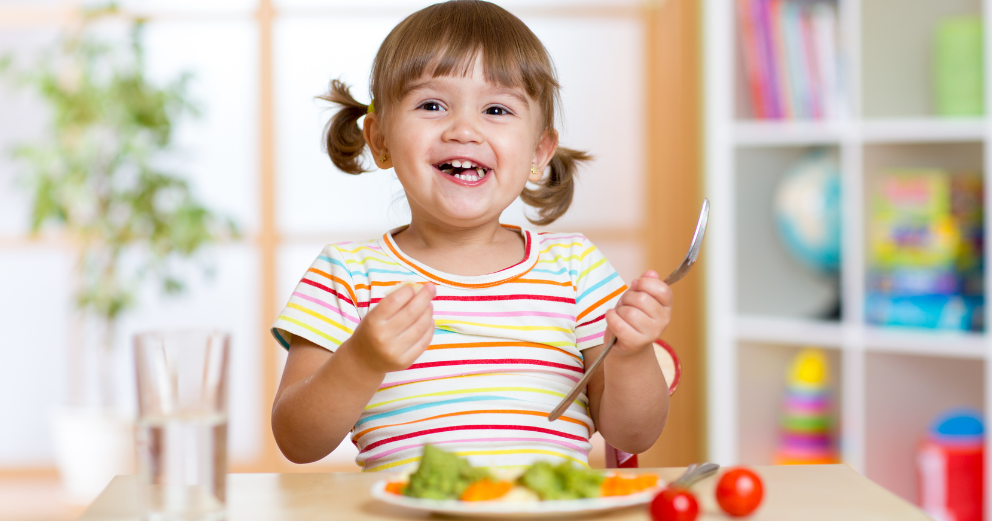
Nutrition Tips for Growing Children
Children are different from adults, so their nutritional needs also differ. Their needs change rapidly as they grow, and they are important for brain function, immune health, and physical development. It also creates a long-term relationship with food. The right foundations of a healthy diet for children in the early years set a pattern as they enter adulthood. However, nutrition advice can feel overwhelming for most parents and may also feel difficult to apply at the dinner table.
The good news is that feeding children well does not have to be complicated. It simply needs consistency and understanding of what their growing bodies need at each stage.
Why Nutrition Matters So Much in Childhood
Healthy eating can help children achieve and maintain a healthy body weight. It also helps them consume all the vital nutrients and reduce the risk of developing health conditions, such as high blood pressure, heart disease, type 2 diabetes, osteoporosis, iron deficiency, and dental cavities. These are not distant adult concerns. The dietary patterns established in childhood track into adolescence and adulthood, meaning a child who grows up eating a varied, balanced diet carries that advantage forward for decades.
Growth during childhood places particularly high demands on specific nutrients. Calcium and vitamin D support bone development during the years when bone density is being built. Iron supports brain development and prevents anaemia. Protein provides the building blocks for muscle, organ growth, and immune function. Iodine is important for thyroid function and cognitive development in children. A diet that is short on any of these nutrients can have visible effects that accumulate over time.
Building a Balanced Plate
Children aged 2 years and above should follow a healthy eating pattern that includes a variety of protein foods, fruits and vegetables, whole grains, and dairy or its alternatives. At the same time, there should be limited intake of solid fats, added sugars, and sodium.
- Fruits and vegetables should be an essential part of every meal. Introducing variety is more important. A child who eats five different vegetables in a week is doing well, even if they reject some foods from time to time. Only 49% of children between one and five years old eat vegetables at least once daily. Children start accepting vegetables when they are prepared in different ways and are served without any pressure.
- Whole grains, such as rice, roti, oats, and whole wheat bread, are a good source of dietary fibre. They support healthy digestion, help maintain blood sugar levels, and provide sustained energy. Refined grains and processed cereals high in added sugar have very little nutritional value.
- Protein is necessary for growth, tissue repair, and immune function. Lentils, legumes, eggs, dairy, fish, and lean meat are good sources. Choosing these foods, along with peas, soy products, and unsalted nuts and seeds, will provide essential protein. Most children get enough protein through a varied diet, so there is no need for supplements.
- Dairy and calcium sources support bone density during the years when skeletal development is most active. Milk, curd, paneer, and fortified plant-based alternatives are all good sources.
Iron and the Risk of Deficiency
Anaemia is the most common problem in children under the age of five and is caused by iron deficiency. It limits cognitive development, makes them lethargic, and susceptible to infections. Green leafy vegetables, lentils, rajma, dates, jaggery and eggs are good sources of iron, so they should be in their diet.
Eating foods with vitamin C, such as a small portion of fruit or tomato, will improve iron absorption.
What to Limit
Ultra-processed foods, sugary beverages, packaged snacks, and excessive salt should be limited in a child's diet. These foods displace more nutritious options, contribute to poor dental health, and establish preferences for highly palatable but nutritionally poor foods that are harder to shift later. Selecting foods high in calcium, magnesium, potassium, and fibre supports healthy growth during the school-age years.
Screen time and eating simultaneously are worth addressing as a separate habit. Children who eat while distracted consume food less mindfully, are less likely to recognise their own satiety signals, and develop a pattern of eating that is harder to manage as they grow older.
Fussy Eating: What Actually Helps
Fussy eating is common in toddlers and young children and is developmentally normal. Forcing children to eat foods they resist tends to worsen the problem rather than resolve it. Involving children in picking and preparing foods teaches them to make healthier choices. It gives them a chance to engage with food.
They learn to accept healthy foods through repeated exposure without pressure. A child who rejects a new vegetable the first five times it is offered often accepts it by the tenth time, particularly if they see others eating it without making a big deal of it. Family meals eaten together, with consistent meal times, provide the most supportive environment for developing healthy eating habits.
Hydration
Water should be the primary drink for children beyond infancy. Fruit juices contain a lot of sugar, so they should not be the first choice for hydration. Children should drink fluids regularly during and after physical activity to prevent dehydration.
Takeaways
Nutrition for growing children is built on introducing a variety of whole foods rather than preparing complex meals. A balanced diet for kids includes fruits and vegetables in most meals. Whole grains, protein from various sources, calcium- and iron-rich foods, and vitamin C should be part of their regular meals. The best child nutrition tips include involving children in food choices, limiting processed and sugary foods, and maintaining meal times. Offering new foods without pressure helps them accept them without fuss. A paediatrician can guide parents on nutritional deficiencies or growth problems in their children.