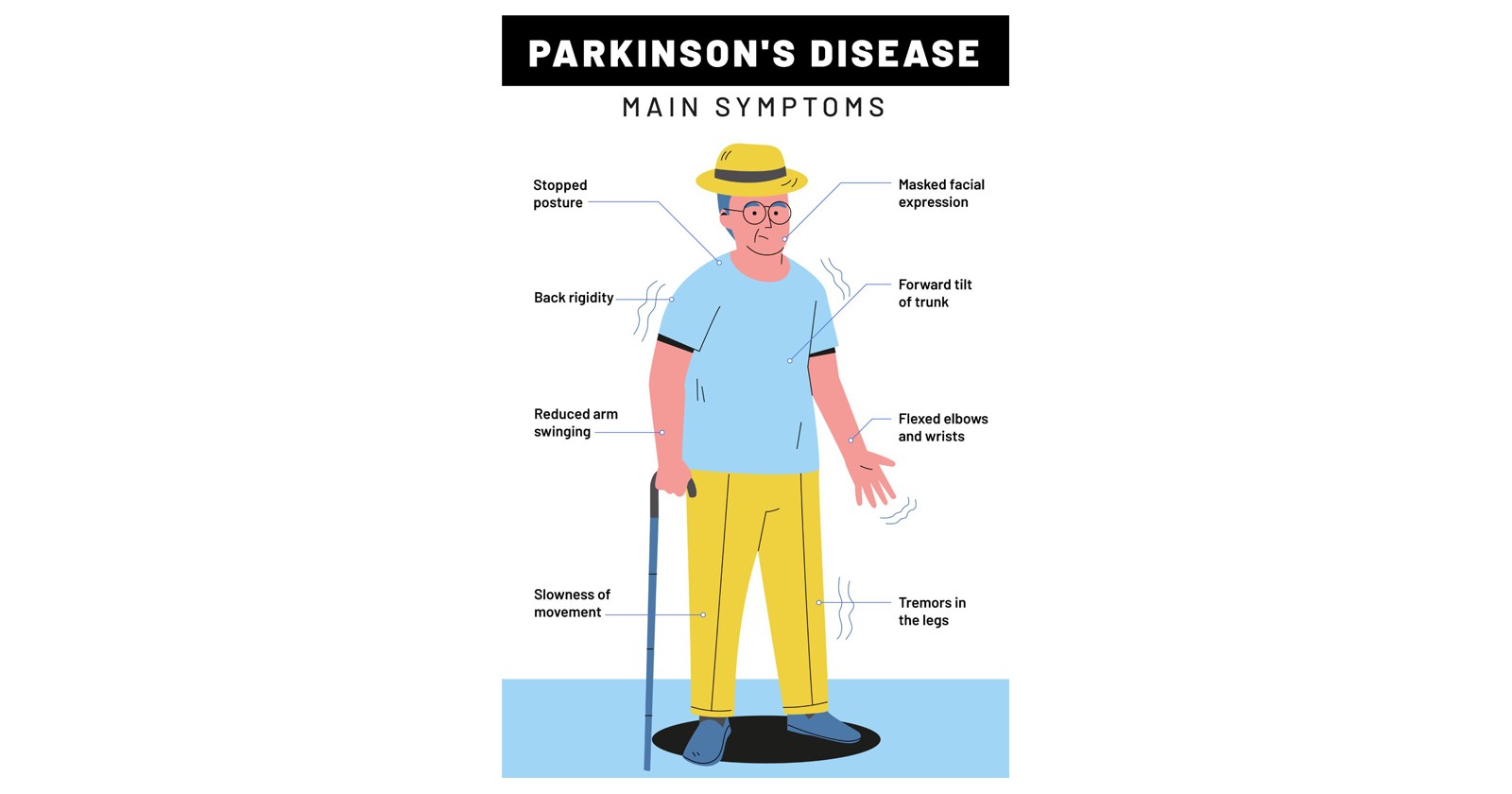
Parkinson’s Disease: It’s More Than Just Tremors
When we think of Parkinson’s Disease, most people imagine one thing — shaking hands or tremors. But Parkinson’s is much more than just a tremor disorder. It’s a complex, progressive neurological condition that affects movement, mood, thinking, and quality of life.
In India, Parkinson’s Disease is on the rise, especially as our population ages. Early recognition and treatment can make a significant difference in maintaining independence and improving life expectancy.
What Is Parkinson’s Disease?
Parkinson’s Disease (PD) is a chronic, progressive disorder of the brain caused by the loss of dopamine-producing cells in a part of the brain called the substantia nigra. Dopamine is essential for smooth and coordinated muscle movements.
Early Signs to Watch For:
- Tremors at rest — usually starting in one hand
- Slowness of movement (bradykinesia) — difficulty initiating actions
- Muscle stiffness — especially in limbs or neck
- Change in handwriting — becomes small or cramped (micrographia)
- Decreased facial expression — “masked” face
- Soft, low voice or slurred speech
- Imbalance or frequent falls
It’s More Than Motor Symptoms
Parkinson’s affects much more than movement. Many people also experience:
- Depression and anxiety
- Sleep disturbances (acting out dreams, restless legs)
- Constipation and urinary issues
- Loss of smell
- Memory problems and slow thinking
In many patients, non-motor symptoms appear years before tremors, but are often ignored or misattributed to aging.
When to Seek Help?
If you or your loved one shows signs of stiffness, imbalance, or slowed movement — consult a neurologist early. Early diagnosis and treatment can slow disease progression and improve daily functioning.
Treatment and Management
- Medications: Such as levodopa and dopamine agonists help restore brain dopamine levels.
- Physiotherapy: Helps maintain strength, flexibility, and balance.
- Speech therapy: For voice and swallowing problems.
- Mental health support: To cope with depression, anxiety, and apathy.
- Support groups: Share experiences and reduce isolation.
Lifestyle Matters
- Regular exercise (walking, yoga, tai chi) can slow motor decline
- Balanced diet with fiber to manage constipation
- Avoid falls: Home safety modifications and supportive footwear
Final Thoughts
Parkinson’s Disease doesn’t only affect the elderly — even people in their 40s or 50s can develop early-onset Parkinson’s. It’s not curable yet, but it’s very much treatable.
With awareness, timely treatment, and family support, people with Parkinson’s can live active and fulfilling lives for many years.
Let’s move beyond the tremors — and recognize Parkinson’s Disease for what it truly is: a complex neurological journey