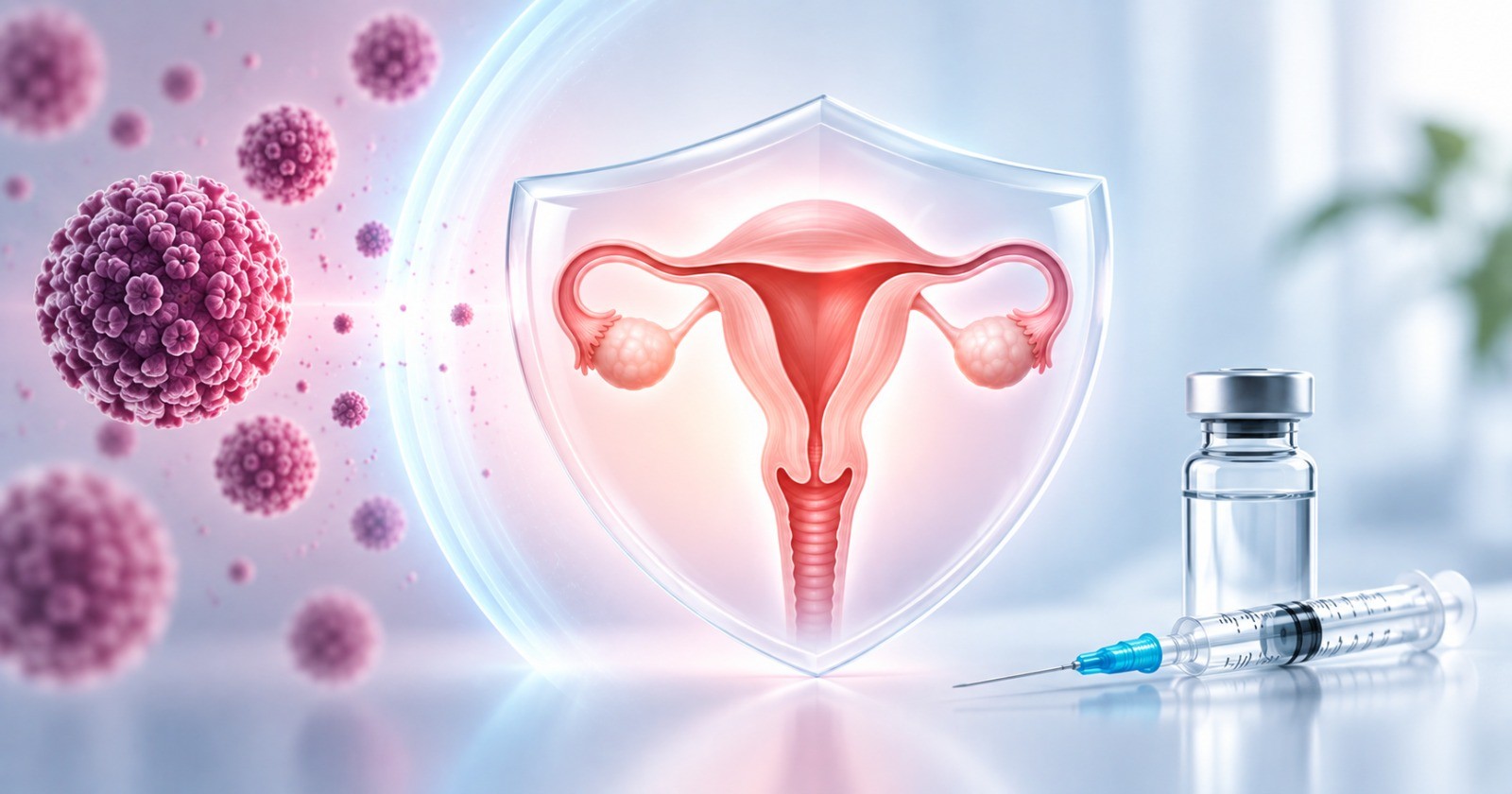
Preventive Oncology: How Cervical Cancer Screening and HPV Vaccination Can Save Lives
Of
all the cancers I discuss with my patients, cervical cancer is the one that
frustrates me most and it's precisely because it's one of the most preventable
cancers there is. We know what causes it. We have a vaccine against it. And we
have screening tools that can catch trouble years before it ever becomes
cancer. Yet I still see women in my clinic who are diagnosed far later than
they need to be, simply because prevention and screening got pushed down the
priority list.
In
this post, I want to walk you through what actually causes cervical cancer, how
it can be prevented, and why I tell every woman who sits across from me that
regular screening isn't optional it's one of the most protective things you can
do for yourself.
What Actually Causes
Cervical Cancer?
Almost
all cervical cancers are linked to a persistent infection with HPV, or Human
Papillomavirus. HPV is incredibly common it spreads through skin-to-skin and
sexual contact, and most people will encounter it at some point. In the vast
majority of cases, the immune system clears it without you ever knowing. The
problem arises when certain high-risk strains stick around for years. Left
unchecked, they can cause abnormal changes in the cells of the cervix, which
may slowly progress toward cancer if nobody catches it in time.
Prevention Starts
Early: Why the HPV Vaccine Matters
If
I had to pick the single most powerful tool in cervical cancer prevention, it
would be the HPV vaccine. It works best when given before a person becomes
sexually active which is why it's typically recommended for pre-teens and young
adults but it still offers meaningful protection for many adults as well. The
vaccine targets the HPV strains most strongly linked to cervical cancer, and
getting it can dramatically lower your risk later in life. I consider it one of
the true success stories of preventive medicine.
Why I Keep Emphasising Regular Screening
Vaccination
is powerful, but it isn't the whole story. Regular screening is what catches
the cases that slip through, and there are two tests I rely on most:
● Pap smear – looks at
cervical cells to spot abnormal changes
● HPV testing – checks
specifically for high-risk HPV strains
Used
together, these tests can pick up precancerous changes long before they ever
turn into cancer, which means treatment at that stage is usually simple and
highly effective. Cervical cancer typically takes years to develop from the
first abnormal cell changes, so screening gives us a genuinely wide window to
step in early.
Don't Wait for Symptoms Early Cervical Cancer Is Often Silent
Here's
something I wish more women understood: early-stage cervical cancer very often
causes no symptoms at all. That silence is exactly why I discourage the
"I'll get checked if something feels wrong" approach. By the time
symptoms show up, we may have already missed the window for the simplest, most
effective treatment. Screening isn't about reacting to a problem; it's about
looking before there's anything to feel.
Symptoms You Should Never Brush Off
That
said, if any of the following do show up, please don't wait it out see a
gynaecologist promptly:
● Abnormal vaginal
bleeding, whether between periods or after menopause
● Bleeding after
intercourse
● Unusual vaginal
discharge that doesn't go away
Early
evaluation of these symptoms can genuinely change the outcome, so please don't
sit on them out of hesitation or a busy schedule.
Lifestyle and Routine Check-Ups: The Quiet Supporting Cast
Vaccination
and screening do the heavy lifting, but daily habits and regular check-ups
matter too. In my practice, I encourage patients to:
● Avoid smoking, since it
weakens the body's ability to clear HPV naturally
● Support their immune
system with balanced nutrition
● Practise safe sexual
health habits
● Keep up with routine
gynaecological visits, even when they feel perfectly well
Why Early Detection Is About More Than Survival
When
we catch cervical cancer or precancerous changes early, treatment tends to be simpler,
less invasive, and far more effective. In some early-stage cases, we can even
offer fertility-preserving treatment options meaning a woman can still plan for
motherhood after treatment. That, to me, is the real reason early detection
matters so much. It isn't just about survival; it's about protecting the
choices and the future a woman wants for herself.
A Final Word
Prevention
really is better than cure, and in the case of cervical cancer, that isn't just
a saying it's backed by real evidence. A single screening appointment today can
protect years of your future. Between HPV vaccination, regular screening, and
knowing which symptoms deserve attention, cervical cancer is one of the cancers
we can genuinely stay ahead of.
If
you're due for a screening, or simply want to understand your personal risk and
the right schedule for you, I'd be glad to see you in clinic.
Dr.
Dimple Jain Best Gynaecologist in Thane | Pregnancy & Women's Care With 23+
years of experience in obstetrics and gynaecology, Dr. Dimple Jain provides
expert care in pregnancy, high-risk deliveries, PCOD, fibroids, endometriosis,
and gynecological surgery. 👉 Consult Dr. Dimple Jain