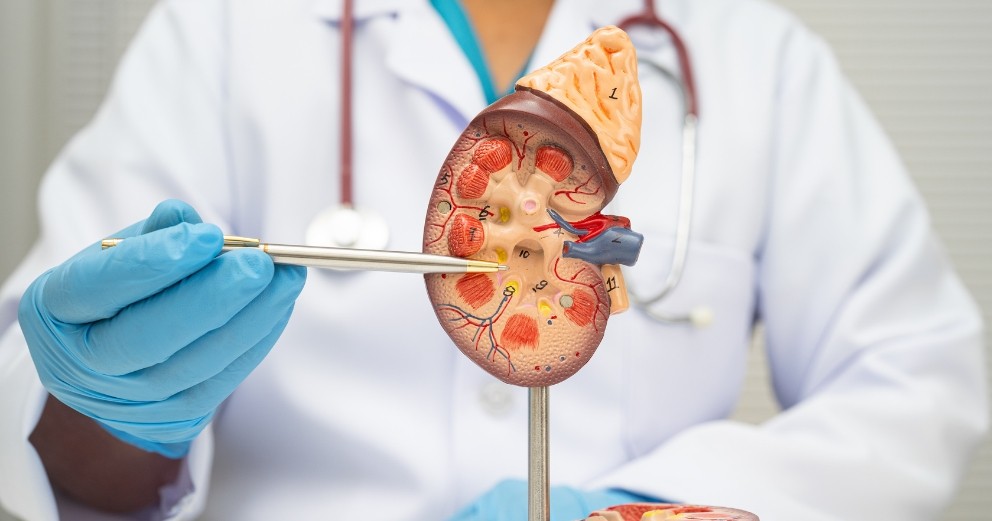
Renal Tumours
Renal tumours affect thousands of people each year. These abnormal growths start in the tiny filtering units called tubules inside the kidney. These tubules clean blood and produce urine as part of their normal function. These growths range from harmless lumps (benign) to aggressive cancers with renal cell carcinoma (RCC) making up about 85% of all malignant kidney tumours. Adults over 60 face the highest risk, but these tumours can affect anyone regardless of age, including children.
Let's look at the different types of renal tumours, their classification, common symptoms and treatment choices available today. Patients and their families can work better with doctors when they understand everything about this condition.
What Is a Renal Tumour?
A renal tumour occurs when cells in the kidney start dividing uncontrollably, forming an abnormal mass. These tumours come in two types: benign (non cancerous) & malignant (cancerous). Benign tumours stay in one place. On the other hand malignant ones can invade nearby tissues and spread to other organs. Tumour size varies from tiny masses no bigger than a pea to large masses that change the kidney's shape.
Classification of Renal Tumour
Medical experts group renal tumours into different categories based on their cell type, behaviour and the people they affect. These include:
Malignant Adult Renal Tumours:
- Renal Cell Carcinoma (RCC) - accounts for 85-90% of kidney cancers.
- Clear Cell RCC - the most prevalent subtype with clear cytoplasmic cells.
- Papillary RCC - the second most frequent type.
- Chromophobe RCC - rare type.
Benign Renal Tumours:
- Renal Oncocytoma - harmless growths that rarely cause complications.
- Angiomyolipoma - contains blood vessels, muscle cells and fat cells.
Paediatric Renal Tumours:
- Wilms' Tumour (nephroblastoma) - the primary kidney cancer affecting children.
Symptoms of Renal Tumours
Many kidney tumours remain silent until they grow large enough to cause problems. Doctors often find them by chance during imaging tests for other conditions. The symptoms, when they appear, may include:
- Blood in the urine (hematuria)
- A noticeable lump in the abdomen or side
- Persistent pain in the side or back
- Weight loss without trying
- Ongoing fever unrelated to infection
- Severe fatigue
- Sudden onset of high blood pressure.
These symptoms might point to other common renal conditions. If you are experiencing any of these signs consult your doctor.
Diagnosis
Doctors usually discover renal tumours accidentally during tests for other health conditions. Next, doctors perform several tests to confirm if cancer exists:
- Imaging tests - Doctors use CT scans, MRIs, and ultrasounds to view the kidney's interior and assess the tumour's size and location. These tests help distinguish fluid-filled cysts from solid tumours.
- Blood tests - Changes in red blood cell counts signal potential kidney cancer (patients often develop anaemia). These tests also show kidney function and blood chemistry levels.
- Urinalysis - The lab looks at urine samples to detect blood, protein, and other substances that point to kidney problems.
Treatment
The tumour's size, location, and spread pattern guide treatment choices. These are:
- Surgery - This remains the preferred option for contained tumours. Based on tumour extent and your condition surgeons can perform:
- Partial nephrectomy - remove only the diseased portion of the kidney, saving as much healthy kidney tissue as possible. Nowadays doctors prefer Robotic Surgery to perform partial nephrectomy with precision and maximum accuracy.
- Radical nephrectomy - remove the entire kidney.
- Ablation therapy - Doctors use extreme temperature treatment like radiofrequency ablation (heat) or cryoablation (cold) to treat small tumours.
- Targeted therapy - Special medications target specific cancer cell chemicals.
- Immunotherapy - This treatment boosts the body's immune system to fight cancer cells.
- Active surveillance - Very small tumours might just need regular monitoring instead of treating them right away.
Complicated cases often need a combination of different treatment modalities. A group of specialists works as a team to create the best plan for each patient.
Conclusion
Renal tumours pose a complex health challenge but medical advances bring hope to affected patients. Early detection is key to better treatment outcomes. Renal tumours often remain silent until they reach a substantial size. But knowing the warning signs like blood in urine or unexplained back pain helps detect them earlier.
A clear understanding of different kidney tumour types enables patients to have more productive discussions during consultations. Many patients feel relieved when they learn that not all kidney masses are dangerous – some are harmless and need minimal treatment.
The statistics might seem scary at first but localised kidney cancer has a high five-year survival rate, which shows how well modern treatments work.
Research continues to deepen our understanding of kidney tumours. Researchers are now developing more targeted therapies. People with this illness now have better chances for longer healthier lives than before. Knowledge serves as your strongest ally against renal tumours.