Signs You May Need a Colonoscopy
Colonoscopy sits on a list of procedures most people would rather avoid thinking about. The preparation, the procedure, the anticipation of what might be found. As a result, many people put it off until a doctor insists, or until symptoms have been present for longer than they should have been.
The reality is that a colonoscopy is one of the most effective diagnostic and preventive tools available for colorectal health. It can detect cancer at an early, treatable stage. It can identify and remove precancerous polyps before they become dangerous. And for certain symptoms, it provides information that no other test can replicate. Knowing when to ask for one matters.
The case for routine screening
Current guidelines recommend colon cancer screening beginning at age 45 for average risk adults. Many people feel completely well at this age and see no reason to investigate. That is precisely the point. Colorectal cancer develops slowly, often over years, and produces no symptoms in its earliest and most treatable stages. Screening colonoscopy is designed to find disease before the body gives any indication that something is wrong.
For people with no symptoms and no particular risk factors, a colonoscopy every ten years from the age of 45 is the standard recommendation. For those with elevated risk, the timeline shifts considerably.
Blood in the stool
This is one of the clearest colonoscopy signs and one that should never be attributed to a benign cause without proper investigation. Blood in the stool can appear bright red or dark and tar-like. While hemorrhoids and small tears may cause it, it can also be linked to inflammation, ulcers, or growths in the colon.
The challenge is that hemorrhoids are common and do cause bleeding, which makes it tempting to assume that is the explanation and move on. A colonoscopy is the only way to confirm that the bleeding is coming from a benign source and not from a polyp or a tumour further up the colon.
Changes in bowel habits that persist
Everyone has an off day with their digestion. A bout of diarrhoea after something disagreeable, a few days of constipation during travel. These are normal but what is less normal is a consistent and unexplained shift in bowel habits that lasts more than a few weeks.
Persistent changes in the frequency, consistency, or colour of stools, extended constipation or narrow stools, can be a sign of something more serious. These changes can indicate inflammation, polyps, or early stages of colorectal cancer.
Stools that are consistently pencil thin are worth specific attention. This narrowing can sometimes indicate that something inside the colon is restricting the passage of stool, which requires direct visualisation to assess properly.
Unexplained abdominal pain or bloating
Abdominal discomfort has a long list of causes, most of them not sinister. But pain that is persistent, sits in the same location, and has not responded to dietary changes or standard management over several weeks deserves investigation. Chronic abdominal pain, bloating, or cramping without a clear cause can suggest inflammation, blockages, or the growth of polyps large enough to disrupt normal digestion. A colonoscopy allows the gastroenterologist to look directly at the lining of the colon and identify what blood tests and imaging cannot always detect.
Unexplained weight loss
Losing weight without any change in diet or activity level is a symptom that warrants medical attention regardless of where it is coming from. When it occurs alongside digestive symptoms, it becomes more specifically relevant to colorectal health. Unexplained weight loss occurring alongside digestive symptoms can indicate malignancy, chronic inflammation, or intestinal disease, and a colonoscopy can help identify the underlying cause.
Iron deficiency anaemia without an obvious cause
Iron deficiency anaemia in an adult, particularly in a man or a post-menopausal woman, needs an explanation. One common but frequently overlooked cause is slow, chronic bleeding from the colon that is not visible to the naked eye. The blood loss is gradual enough that no obvious bleeding is noticed, but over time it depletes iron stores significantly. A colonoscopy is a standard part of the investigation for iron deficiency anaemia without an obvious dietary or absorptive explanation.
Family history of colorectal cancer or polyps
The risk of developing colon cancer doubles if a family member develops polyps or colon cancer after the age of 50. This risk increases further if multiple family members are affected, or if a relative was diagnosed before the age of 50. For people in this category, screening should begin earlier than age 45, typically ten years before the age at which the youngest affected family member was diagnosed. This is not optional caution. It is a clinically significant adjustment based on genuine elevated risk.
A personal history of inflammatory bowel disease
People living with Crohn's disease or ulcerative colitis carry a higher lifetime risk of colorectal cancer than the general population. Regular surveillance colonoscopies are part of the standard long-term management of both conditions. The frequency depends on the extent and duration of the disease, and is determined by the treating gastroenterologist rather than a fixed timeline.
What a colonoscopy actually involves
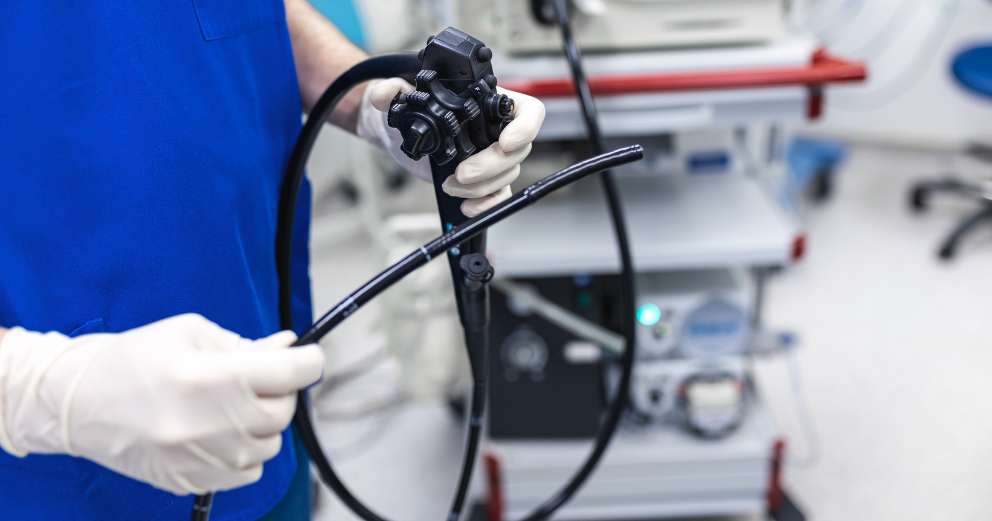
The procedure itself takes between 20 and 45 minutes under sedation. A flexible tube with a camera at its tip is passed through the colon, allowing direct visualisation of the entire lining. Polyps can be removed during the same procedure. The preparation the day before, which involves clearing the bowel, is the part most people find most uncomfortable, but it is essential for a clear and accurate examination.
Takeaways
Colonoscopy signs that should prompt a consultation with a gastroenterologist include blood in the stool, persistent changes in bowel habits, unexplained abdominal pain, unintentional weight loss, and iron deficiency anaemia without a clear cause. Colon cancer screening at age 45 is recommended for average risk adults, with earlier and more frequent surveillance for those with a family history of colorectal cancer, a personal history of polyps, or inflammatory bowel disease. Colorectal cancer symptoms are often absent in the early stages, which is precisely why colonoscopy indications go beyond waiting for something to feel wrong.