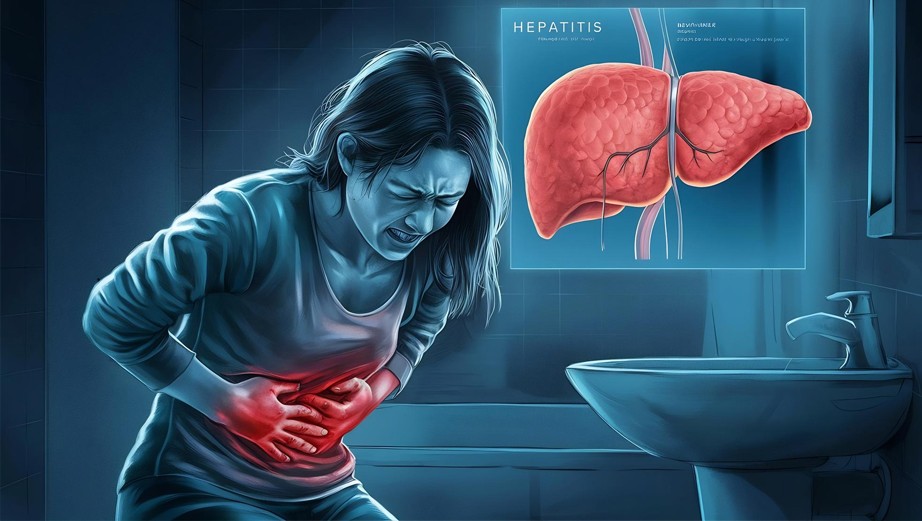
Signs Your Liver is in Trouble - When to See a Hepatologist
Your liver doesn't complain easily.
Unlike the heart, which signals distress through chest pain, or the lungs, which make breathing difficult, the liver tends to stay quiet. It can lose up to 70% of its functional capacity before producing any obvious symptoms. By the time most people notice that something is wrong, the damage has been building for months or even years.
That silence is what makes liver disease so dangerous. And in India, where fatty liver, viral hepatitis, and alcohol-related liver disease are all rising, knowing what to watch for is genuinely important.
Here are the signs your liver is struggling and the ones that mean you need to see a doctor specialising in liver problems (Hepatologist) without delay.
What Does the Liver Do and Who Is a Liver Specialist?
The gastrointestinal tract is one of the most complex organ systems in the body and is composed of multiple organs with very unique and diverse functions. The Liver is one of the vital organs of the body and is an integral part of this system. While the mouth, oesophagus, pancreas and intestines are mainly concerned with processing of consumed food and liquids, the liver uses the nutrients from the food and builds our body and makes everything that we need. In addition, it also gets rid of countless toxins and waste products. It can be literally considered the battery / engine / power house which gives us energy and drives the body.
Given such a vital and complex organ, the problems that arise from its illnesses need a dedicated doctor. In addition, modern medicine and surgery have evolved numerous effective strategies of prevention, diagnosis and extremely successful therapeutic approaches to solve these illnesses. Such doctors are Hepatologists (Physicians) or HPB and Liver Transplant Surgeons.
Here are the signs your liver is struggling and the ones that mean you need to see a gastroenterologist without delay.
Persistent Fatigue That Rest Doesn't Fix
Almost everyone feels tired. But liver-related fatigue has distinct characteristics: it doesn't improve with sleep and tends to worsen over the course of the day.
The liver produces proteins, filters toxins, and regulates blood sugar. When your liver is under stress, these functions falter, and the body runs inefficiently. Many people with early-stage liver disease write off this fatigue as stress or poor sleep for months before seeking help.
If you've been consistently exhausted for several weeks without a clear cause, don't dismiss it. A simple set of liver function tests (LFTs) takes one blood draw and gives a clear picture.
Unexplained, Unintentional and Progressive Weight Loss (Sarcopenia)
One of the cardinal features of liver disease is weight loss, which is gradual and unintentional. Given that the liver is the "engine" of the human body, its ineffectiveness results in progressive weakness in the muscles and bones, leading to their weakening, which is reflected in weight loss and "fatigue", which we discussed earlier.
Yellowing of the Skin or Eyes (Jaundice)
This is one of the most common signs but is generally a late symptom. Jaundice turns the skin and the whites of the eyes a yellow-orange shade. It happens when bilirubin (a yellow pigment produced when red blood cells break down) builds up in the blood because the liver isn't processing it properly. This is commonly due to problems with the liver cells that make up the liver. Sometimes, jaundice can occur along with itching and this can indicate a blockade of the bile duct either within the liver or outside it.
Mild jaundice in a newborn is common and temporary. In adults, it is never normal. It could signal hepatitis, liver cirrhosis, bile duct obstruction, or in serious cases, liver cancer. If you or someone around you notices yellowing, consult a Hepatologist / HPB surgeon immediately.
Dark Urine and Pale or Clay Coloured Stools
This generally occurs along with the development of yellow colouration of skin and eyes. Healthy urine is pale yellow. Healthy stool ranges from light to dark brown, depending on diet. Changes in both at the same time are a red flag worth taking seriously.
Dark, tea-coloured urine suggests excess bilirubin entering the bloodstream. Pale or clay-coloured stools indicate that bile (which gives stool its brown colour) isn't reaching the digestive tract. Together, these two signs point toward either liver dysfunction or a blockage in the bile ducts.
This combination, especially when accompanied by any abdominal discomfort, needs prompt evaluation by a Hepatologist / HPB Surgeon.
Swelling in the Abdomen (Ascites)
A distended or swollen abdomen in someone who hasn't gained significant weight is often caused by ascites (an abnormal accumulation of fluid inside the abdominal cavity). It is a sign of advanced liver disease, typically cirrhosis, where scar tissue has replaced healthy liver cells and blood pressure in the portal vein has risen as a result.
Ascites can appear gradually. People might notice their abdomen feels full or their clothes fit tighter. They may also feel heavy even if they haven't eaten much. In some cases, the swelling is dramatic and visible. Either way, this is a serious development. Spontaneous bacterial peritonitis (a life-threatening infection of that fluid) is a real risk and can develop rapidly.
If abdominal swelling appears without an obvious explanation, don't delay. This needs immediate medical assessment.
Easy Bruising or Unusual Bleeding
The liver produces clotting factors that help blood form clots when you're injured. A damaged liver produces fewer of these, which means the blood takes longer to clot and bruises appear from minor impacts that would normally leave no mark.
Bleeding gums when brushing, nosebleeds that are hard to stop, or bruises appearing without any remembered injury are all potential liver warning signs. In advanced cases, veins in the oesophagus or stomach can bleed internally (a medical emergency).
If you are bruising unusually easily and have any other liver symptoms, contact a doctor immediately.
In some situations, we have seen patients with a low platelet count undergoing numerous tests with Physicians and haematologists while the low Platelet count is due to a liver issue. This is especially the case when the low platelet count is accompanied by an enlarged spleen.
Persistent Nausea, Vomiting, or Loss of Appetite
The liver produces bile and regulates metabolism. Problems with the liver can interfere with digestion. Nausea that lingers for days, a persistent feeling of abdominal fullness, vomiting without an obvious viral cause, or a sudden disinterest in your favourite food can all reflect liver dysfunction.
These symptoms frequently appear in hepatitis, fatty liver disease, and early cirrhosis. On their own, they could mean many things. Combined with any other sign on this list, they make a gastroenterology consultation necessary.
Confusion, Forgetfulness, or Changes in Behaviour
This one is often missed, especially in older adults. Hepatic encephalopathy occurs when the liver fails to clear toxins like ammonia from the blood, and those toxins accumulate in the brain. The result is cognitive changes like confusion, slurred speech, mood swings, poor concentration, or in severe cases, loss of consciousness.
Family members sometimes notice this before the person does. If someone with known liver problems or a significant alcohol use history becomes unusually confused or disoriented, this is a medical emergency.
When to See a Gastro Specialist
Contact a doctor if you experience:
- Persistent fatigue lasting more than 3–4 weeks with no clear cause
- Unexplained nausea or appetite loss for over a week
- Mild itching without a rash
- Jaundice (yellow eyes or skin)
- Dark urine paired with pale stools
- Abdominal swelling
- Unusual bruising or bleeding
- Sudden confusion or disorientation.
The liver can regenerate but only up to a point, and only if it's given the chance. In addition, like the battery of your phone, it is designed to recharge for a certain number of times and this should last a lifetime. Excessive and injudicious use may result in this ability being compromised, leading to a major issue with it (similar to the battery of your phone needing servicing / replacement if its ability to recharge is affected due to misuse)!! Catching the problem early, before scarring becomes irreversible, is the difference between treatment and management.