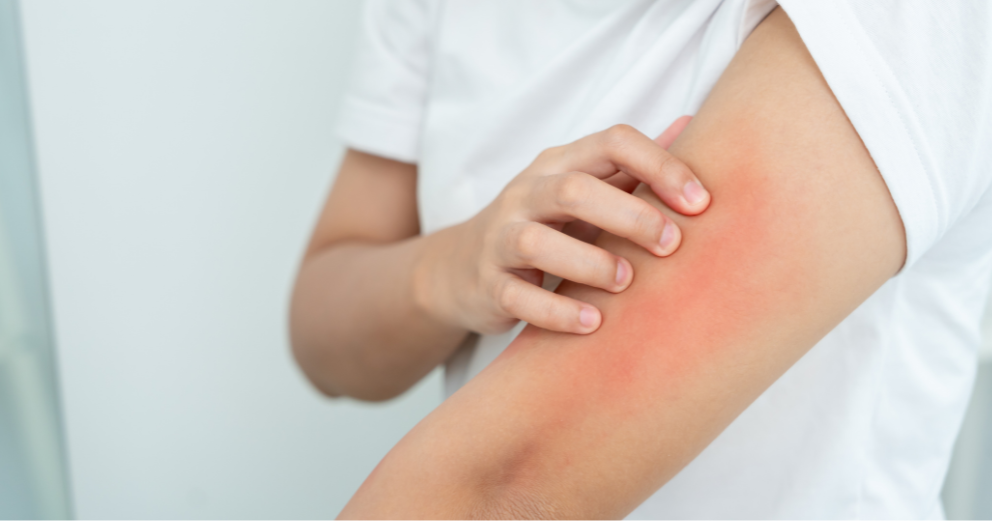
Signs Your Skin Needs Medical Attention
Most people manage minor skin issues at home without a second thought. A small pimple, a bit of dry skin in winter, some redness after trying a new product. These things come and go. But the skin is the body's largest organ, and it frequently signals deeper problems through changes that are easy to dismiss if you do not know what to look for.
Some skin changes are harmless. Others are early signs of conditions that respond well to treatment when caught promptly, but become significantly harder to manage when left unaddressed for months or years. Knowing the difference is genuinely worth understanding.
A Mole or Spot that Changes
This is one of the most important skin warning signs to watch for. The ABCDEs of melanoma are a practical way to identify a suspicious mole. They stand for asymmetry, where one half of the mole does not match the other; border, where the edges are irregular, ragged, or blurred; colour, where the pigmentation is uneven or contains multiple shades; diameter, where the mole is larger than 6 millimetres; and evolving, where the mole is changing in size, shape, colour, or begins to bleed or crust.
Any new mole appearing after the age of 40, or any existing mole that looks different from others on the body, should be evaluated by a dermatologist. The good news is that when skin cancer signs are caught early, most skin cancers are highly treatable. Delay is what changes the prognosis.
A Wound or Sore that Does not Heal
Skin heals. A cut or scrape that has not closed after two to three weeks is a sign that something is interfering with the normal repair process. A non-healing sore, particularly one that bleeds, crusts, or scabs and then reopens, can be an early sign of a basal cell or squamous cell carcinoma. These are the most common types of skin cancer and are almost always treatable when identified early. A sore in the mouth that does not get better for more than two weeks needs medical attention, especially if there is a history of tobacco or alcohol use.
Persistent Itching Without a Visible Rash
Itching is common, but if it does not get better even after a week, without an obvious skin cause, it needs a thorough medical assessment. Chronic itch without a visible rash on the skin can indicate systemic conditions, including liver disease, kidney disease, thyroid dysfunction, or certain blood disorders. It can also be an early sign of certain lymphomas that affect the skin. Skin that is itchy, scaly, cracked, inflamed, or otherwise persistently irritated beyond what over-the-counter measures can address requires medical evaluation and a proper diagnosis.
Rashes that Spread, Persist, or Come with Other Symptoms
A rash that appeared, resolved within a few days, and has not returned is rarely a concern. A rash that keeps coming back, spreads to new areas, does not respond to basic care, or is accompanied by fever, joint pain, or fatigue is a different matter entirely. It may be a pattern of autoimmune conditions, such as lupus or psoriatic disease. It may also result from infections or drug reactions.
A doctor should check a rash with blisters on one side of the torso or face. It can be shingles, which responds way better to treatment if it is addressed within the first 72 hours of onset.
Sudden Changes in Skin Colour
New yellowing of the skin or the whites of the eyes indicates jaundice and warrants same-day medical attention, as it suggests a problem with the liver or bile ducts. Unusual paleness that develops quickly can point to anaemia. Dark patches appearing in skin folds, particularly around the neck and armpits, can be a sign of insulin resistance and should prompt a blood sugar assessment. A bluish appearance of the lips or fingertips requires urgent medical evaluation, as it may indicate low blood oxygen levels.
Nail Changes
Nails reflect a person's internal health. Nail changes can be a sign of a dangerous underlying condition and require assessment by a dermatologist. If there is a dark streak running vertically under a nail, it can be a subungual melanoma. Nails that are significantly thickened, separated from the nail bed, or changing colour over time can reflect fungal infection, psoriasis, or thyroid disease.
Hair Loss That is Sudden or Patchy
Gradual overall thinning of hair is common and has several manageable causes. Sudden hair loss in circular or oval patches is a distinct pattern and suggests alopecia areata, an autoimmune condition in which the immune system attacks hair follicles. This requires dermatological assessment rather than watchful waiting, as earlier intervention tends to produce better results.
Skin Conditions That Are Not Responding To Treatment
When a skin condition has been managed with over-the-counter products for several weeks without improvement, it is time to see a dermatologist. It can be acne, eczema flares that only get worse, spreading rosacea and psoriasis, interfering with daily life. These severe skin problems need medical attention for a proper diagnosis and a treatment plan.
When to See a Dermatologist Urgently
Certain skin changes require same-day or next-day evaluation rather than a routine appointment.
- A rash that is spreading rapidly or is accompanied by fever
- Throat tightness or difficulty breathing, along with spreading hives. These signs may indicate anaphylaxis.
- A mole or skin lesion that has changed a lot within a short period
- A wound that appears red or warm, or that leaks discharge, may be infected
Takeaways
The body communicates when skin needs medical attention. Skin warning signs, including changing moles, non-healing sores, persistent itch without a rash, spreading rashes, sudden colour changes, and unexplained nail or hair changes, indicate the need for a dermatology consultation. Knowing when to see a dermatologist rather than continuing to self-manage makes a real difference to outcomes, particularly for conditions where early diagnosis and treatment produce significantly better results.