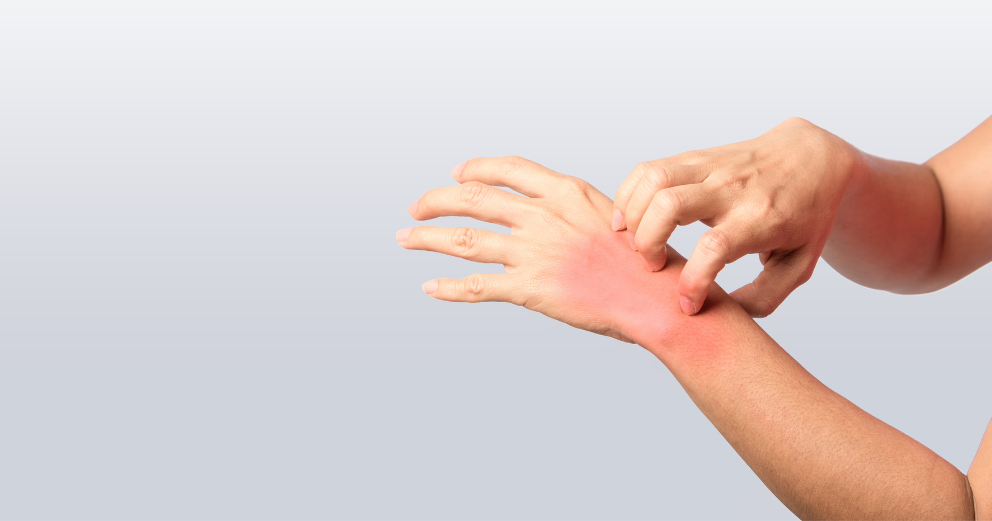
Skin Allergies: Triggers and Prevention
Skin allergies are among the most common reasons people visit a dermatologist. The symptoms are hard to ignore. Redness, itching, swelling, rashes, and hives that appear without warning and often without an immediately obvious cause. For some people, a reaction happens once and never returns. For others, it becomes a recurring problem that affects their daily lives.
The most frustrating part is finding the causes of skin allergies. The answer is not so simple because skin reactions can be delayed. Skin may show visible reactions to a substance only several hours after it has been touched or applied. The problem is that the list of possible triggers is long enough that it can be difficult to point out the exact cause. It is impossible without proper evaluation, which may lead to guesswork.
How Skin Allergies Actually Work
Allergies occur when the immune system overreacts to something that is usually harmless. The body initially sees any new substance as foreign and produces antibodies against it. These antibodies are activated the next time exposure occurs, leading to a skin response. It may appear as redness, itching, swelling, blistering or hives in some cases.
The severity varies considerably between individuals and between different triggers. The same substance can cause a mild reaction in one person and a severe one in another.
Common Skin Allergy Triggers
Contact Dermatitis from Metals
Nickel is one of the most frequently identified triggers of contact dermatitis. It is found in jewellery, belt buckles, watch straps, and clothing fasteners. If any item contains nickel, it may cause a red and itchy rash at the point of contact after prolonged exposure. The reaction may take hours or days to appear on the skin, which makes it harder to identify the source without careful observation.
Cosmetics and Skincare Products
The most common causes of allergic skin reactions are fragrances and preservatives in skincare and cosmetic products. Although products are labelled as unscented, they may still contain fragrance chemicals to mask the smell of other ingredients. It can cause reactions in sensitive skin. Preservatives, such as parabens, formaldehyde-releasing compounds, and certain emulsifiers, are also common triggers. Repeated exposure to the product used without problems for years can still lead to skin reactions.
Latex
Latex allergy can cause reactions ranging from localised skin irritation to more severe responses. It is particularly relevant for healthcare workers and patients who have had repeated exposure to latex gloves or medical equipment. Latex-free alternatives are now widely available, and anyone who suspects a latex sensitivity should mention it before any medical or dental procedure.
Plants and Environmental Allergens
Certain plants cause skin reactions on contact. Beyond plants, pollen settling on exposed skin can trigger reactions in people with seasonal allergies, and environmental allergens, including dust mites and mould, can exacerbate conditions like eczema.
Atopic Dermatitis and Eczema
Eczema is a chronic inflammatory skin condition associated with immune dysregulation and a compromised skin barrier. Pollutants and an imbalance in the skin microbiome are the leading causes of atopic dermatitis.
Eczema skin reacts easily to heat, sweat, certain fabrics, soaps, and environmental changes. Managing eczema involves identifying and minimising individual triggers rather than a single universal avoidance strategy.
Hives
Hives, medically called urticaria, are a common sign of a skin allergic reaction, but can also be caused by viral infections, environmental triggers, insect bites, or unknown causes. They appear as itchy, raised welts that can occur anywhere on the body.
They also change shape and location rapidly, but resolve within 24 hours. Chronic urticaria, defined as hives persisting for more than six weeks, requires investigation to identify any underlying cause.
How to Identify your Triggers
Identifying the cause of a skin allergy often requires a process of careful elimination and, in some cases, formal allergy testing. A dermatologist can conduct a patch test by applying small amounts of common allergens to the skin under adhesive patches.
It stays for 48 hours so that the results can identify specific contact allergens responsible for the reaction. It can be a helpful method for people who suffer from recurring contact dermatitis and are unable to identify the sources.
Maintaining a record of products used, foods eaten, activities done, and environments visited in the days before a reaction can also help identify patterns.
Skin Allergy Prevention Strategies
Once a trigger is identified, avoidance is the most effective prevention strategy. In practice, this means:
- Reading ingredient labels on skincare, cosmetic, and household products carefully and avoiding known allergens
- Choosing fragrance-free and preservative-minimal formulations for products applied to the skin
- Wearing protective gloves when handling cleaning products, chemicals, or substances that have previously caused reactions
- Opting for hypoallergenic jewellery, particularly for earrings and items in prolonged skin contact
- Keeping the skin well moisturised, particularly for people with eczema, as an intact skin barrier is considerably more resistant to allergens than a compromised one
- Showering after outdoor activity during high pollen periods to remove environmental allergens from the skin
Preventive measures include avoiding known allergens, maintaining a healthy lifestyle, and reducing exposure to environmental triggers consistently over time.
When to Seek a Dermatology Consultation
A severe, rapidly spreading skin reaction accompanied by facial swelling or difficulty breathing, or a recurring one without an identifiable cause, always warrants medical evaluation. Formal patch tests and a management plan from a dermatologist can help people with chronic or recurrent skin allergies that do not respond to basic preventive measures.
Takeaways
Metals, fragrances, preservatives, latex, and environmental allergens are common causes of skin allergies. Contact dermatitis from cosmetics and jewellery is the most common. Identifying skin allergy triggers through patch testing and careful elimination can help manage reactions.
Skin allergy prevention requires avoiding exposure to environments, products, or foods that trigger skin reactions. Anyone with recurring or unexplained skin reactions should see a dermatologist, who can address the underlying cause.