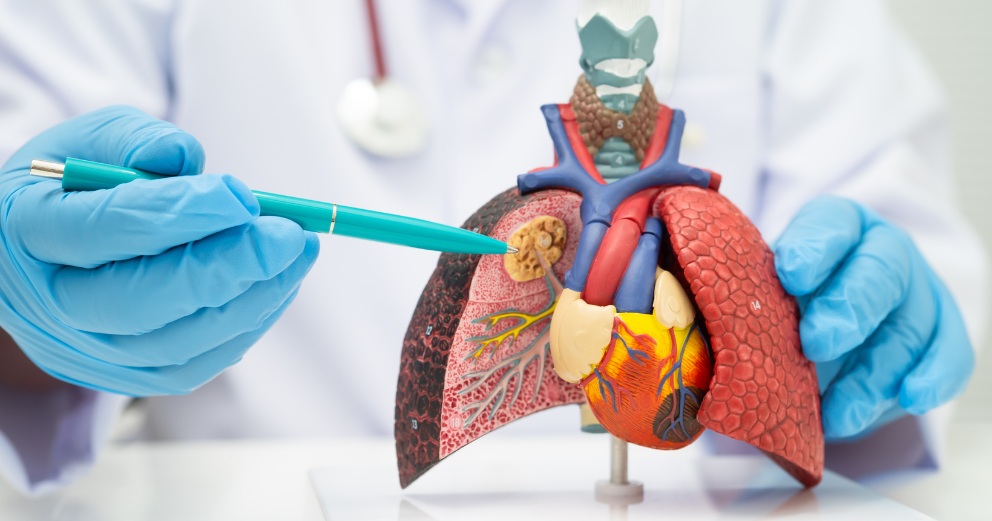
Smoking Damage: Can Lungs Recover?
One of the most prevalent excuses people have for not stopping smoking is that they think the damage is done. Decades of smoking, they reason, must have left their lungs in a state that is beyond repair. Why bother stopping now? This is one of the most persistent and harmful misconceptions around smoking, and the science tells a very different story.
The lungs have a remarkable capacity to repair themselves, and that process begins almost immediately after the last cigarette. How much recovery is possible depends on how long a person has smoked, how heavily, and what stage of disease has developed. But the idea that quitting has no benefit after a certain point is simply not supported by evidence.
What smoking does to the lungs?
Every time a person inhales cigarette smoke, their lungs are exposed to more than 7,000 chemicals, hundreds of which are toxic and at least 70 that can cause cancer.
The damage happens through several overlapping mechanisms. Cigarette smoke paralyses and eventually destroys cilia, the tiny hair-like structures that line the airways and sweep mucus, bacteria, and debris out of the lungs.
Without functioning cilia, the lungs lose their primary self-cleaning mechanism, mucus accumulates, infections become more frequent, and the chronic cough that many smokers develop is the body's attempt to compensate.
At the same time, the thousands of toxic chemicals in cigarette smoke inflame the airway lining, damage the elastic tissue of the alveoli where oxygen exchange occurs, and gradually destroy their structure. Over years, this produces the irreversible changes seen in emphysema, where the alveoli lose their architecture and the lungs lose their ability to inflate and deflate efficiently.
Smoking COPD, the umbrella condition covering chronic bronchitis and emphysema, is the most common serious lung disease caused by smoking and affects a significant proportion of long-term smokers.
What happens when someone quits?
The lungs begin healing within minutes of quitting smoking, and the improvements continue for months and years. While complete reversal of all damage is not always possible, the majority of lung function lost to smoking can be restored over time.
- Within the first 12 hours of stopping, carbon monoxide levels in the blood drop back to normal, allowing oxygen to be carried more efficiently. Within one to two days, cilia begin to reactivate. This is often when people notice what is called a "quit cough," a temporary increase in coughing as the reawakened cilia start clearing the accumulated mucus and debris. It is a sign of recovery, not deterioration.
- Between one and three months after quitting, lung function can increase by as much as 30%. The cilia are nearly fully restored, and their ability to clear mucus is much improved. The inflammation in the airways is considerably reduced and the episodes of shortness of breath are much less frequent making routine activities simpler.
- By 6 months mucus clearance is back to normal and the risk of lung infections falls significantly. One year after quitting, the risk of coronary heart disease falls significantly, and lung function continues to improve.
The damage that does not reverse
Lung recovery after quitting smoking is real and meaningful, but it has limits. The structural damage caused by emphysema, where alveolar walls have been destroyed and cannot be rebuilt, is permanent.
The lung tissue cannot regenerate the elastic structure it has lost. While some of the lung damage from smoking is irreversible, much of it is reversible, and quitting can help repair a significant proportion of the damage.
For people who have already developed COPD, quitting is still the single most impactful intervention available. It slows the rate of further lung function decline significantly. It does not restore what has already been lost, but it changes the trajectory of the disease in a way that no treatment can fully replicate.
Lung cancer risk also falls progressively after quitting, though it does not return to the level of someone who has never smoked. The benefit of stopping is never zero, regardless of age or smoking history.
Why it is never too late to quit?
The recovery timeline after quitting is well established. Improvements in breathing, energy, and infection resistance begin within weeks. Cardiovascular risk falls within months. Lung cancer risk reduces year by year. The body's ability to recover from smoking lung damage is not infinite, but it is considerably more robust than most smokers believe.
For people who have been smoking for decades and feel that the opportunity has passed, the evidence offers a clear message. Every year of smoking adds more damage. Every year without smoking allows the body to recover further. The gap between those two trajectories widens with every cigarette not smoked.
Takeaways
Smoking lung damage is real, progressive, and serious, but the lungs begin recovering almost immediately after quitting. Lung recovery after quitting smoking includes the restoration of cilia function, reduced airway inflammation, improved lung capacity, and a lower risk of infections and serious disease. Irreversible damage, particularly the structural changes of emphysema in those with smoking COPD, cannot be undone, but quitting dramatically slows further progression.
The question of whether lungs can heal from smoking has a clear answer: substantially yes, and the earlier quitting happens, the more complete that recovery will be.