Sports Injuries: Prevention and Recovery Tips
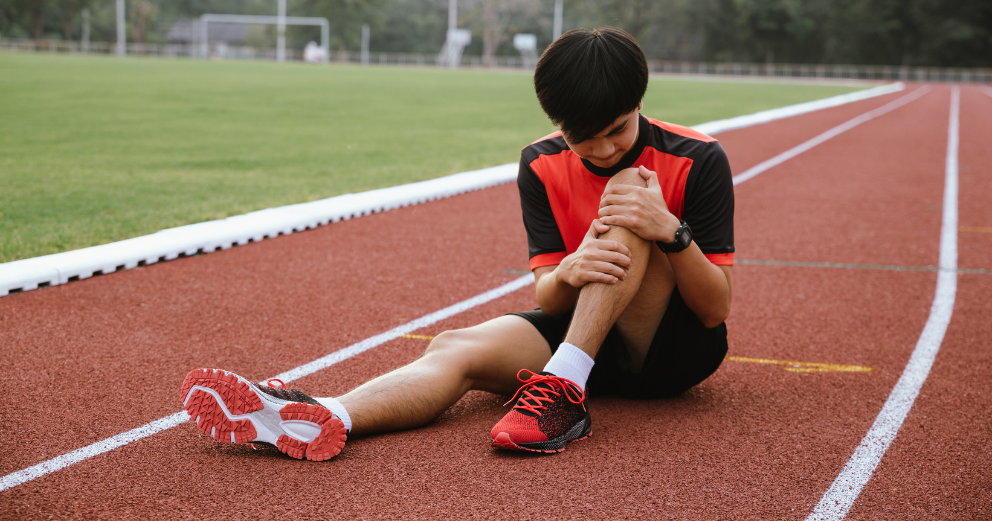
Getting injured during physical activity is something most people experience at some point. A sprained ankle on the football field, a pulled hamstring during a morning run, a shoulder that gives out mid-swim. Some of these are genuine accidents. Many, however, are preventable. And even when an injury does occur, how quickly a person recovers depends a great deal on what they do in the days and weeks that follow.
Sports injuries prevention and smart recovery go hand in hand. Understanding both sides of that equation matters whether someone is a competitive athlete or simply someone who exercises regularly to stay healthy.
Why sports injuries happen?
Most sports injuries fall into two broad categories.
- Acute injuries happen suddenly, the result of a fall, collision, or awkward landing.
- Chronic injuries develop gradually from repetitive stress placed on the same muscles, tendons, or joints over time.
Ligament tears and strains are among the most common sports injuries, primarily caused by overuse and collision. Sprains, fractures, dislocations, tendinopathies, and stress fractures make up the bulk of what sports medicine clinicians see. The underlying causes, however, often trace back to the same set of factors. Inadequate preparation, training errors, poor technique, insufficient recovery time, and a lack of strength work around vulnerable joints. Now let’s look at how to prevent sports injuries.
Sports Injury Prevention
- Warm up properly
A proper warm-up is one of the most consistently supported strategies for sports injuries prevention. The goal is to raise the body's core temperature, increase blood flow to working muscles, and prime the neuromuscular system for the demands of the activity ahead.
Dynamic warm-ups work better than static stretching before exercise. Leg swings, hip circles, high knees, arm rotations and light jogging prepare the body for movement in a way that static stretches held for 30 seconds cannot. Static stretching has its place, but after training, not before.
- Strength training reduces injury risk
This is one of the most underappreciated aspects of sports injuries prevention. Strength training has long been recognised as important for preventing sports injuries, and a systematic review found that strength-based injury prevention programmes produced a statistically significant reduction in injury risk.
Strengthening the muscles around the knee, ankle, hip and shoulder creates stability that protects joints during high-load movements. For runners, this means glute and hip strengthening. For overhead athletes, rotator cuff work. For contact sport players, overall lower limb and core strength. The specific programme depends on the sport and the individual, but the principle is consistent. Stronger supporting muscles mean fewer injuries.
- Technique and training load
How a person moves matters as much as how much they train. Poor running mechanics, faulty throwing patterns, or incorrect lifting technique place abnormal stress on structures that are not equipped to handle it. Working with a coach or physiotherapist to identify and correct technical issues is a worthwhile investment for anyone training seriously.
Training load is equally important. Increasing mileage, intensity, or volume too quickly is a well-established cause of overuse injuries. A general guideline used in endurance sports is to increase training load by no more than 10 percent per week. The body needs time to adapt, and when that process is rushed, something breaks down.
- Rest is part of the programme
Recovery is not optional. Sleep is when tissue repair happens, when the nervous system consolidates motor learning, and when the body adapts to the training stimulus. Recovery after working out like proper sleep and nutrition is just as vital as the routine itself to prevent injury.
Active recovery, meaning light movement on rest days rather than complete inactivity, keeps blood flowing to muscles and helps clear metabolic waste. It tends to produce better outcomes than lying completely still between hard sessions.
When injury does occur: smart recovery
The instinct after getting hurt is usually to rest completely and wait for the pain to go away. That approach works for minor soreness, but for most sports injuries, complete rest for too long does more harm than good. Muscles weaken, joints stiffen, and the overall recovery timeline stretches out unnecessarily.
The better approach is to start moving again as soon as it is safe to do so, even if that means gentle, limited movement in the early days. A physiotherapist can advise on the proper load for each stage. They'll work in an organised approach of sports injury treatment and help in rebuilding strength, flexibility and movement patterns before full exercise is resumed.
Returning to sport too soon is one of the most common mistakes people make after an injury. The body may feel ready before the injured tissue has fully healed, and going back too early significantly raises the risk of injuring the same area again. A repeat injury is almost always more serious than the original one and takes considerably longer to recover from.
The safest way back to full activity is a gradual, supervised return. A physiotherapist or sports medicine specialist will devise a step-by-step plan that gradually reintroduces load and sport-specific movement, with clear signals for when to go to the next stage.
Nutrition and hydration
Sufficient protein helps to repair damage to muscle and other tissues. Omega 3 fatty acids help in decreasing inflammation during recovery. Safety has been well established for creatine monohydrate and omega-3 fatty acids, and there is some suggestion of benefit in sports injury healing. Both exercise and recovery depend on hydration. Muscle that is dehydrated is more prone to strains and is less efficient.
Takeaways
Prevention of sports injuries is about regular preparation, strength exercises, proper technique and safe training loads. If injuries do occur, the most successful sports injury recovery is active, structured and supervised by a trained professional, not self-managed through rest alone. A slow and controlled return to sport greatly lowers the chance of re-injury. If you have a chronic or recurring sports injury, contact a sports medicine specialist or an orthopaedic surgeon instead of just playing through the pain.