Sudden Loss of Consciousness in Older Adults: Seizure, Syncope, or Something Else?
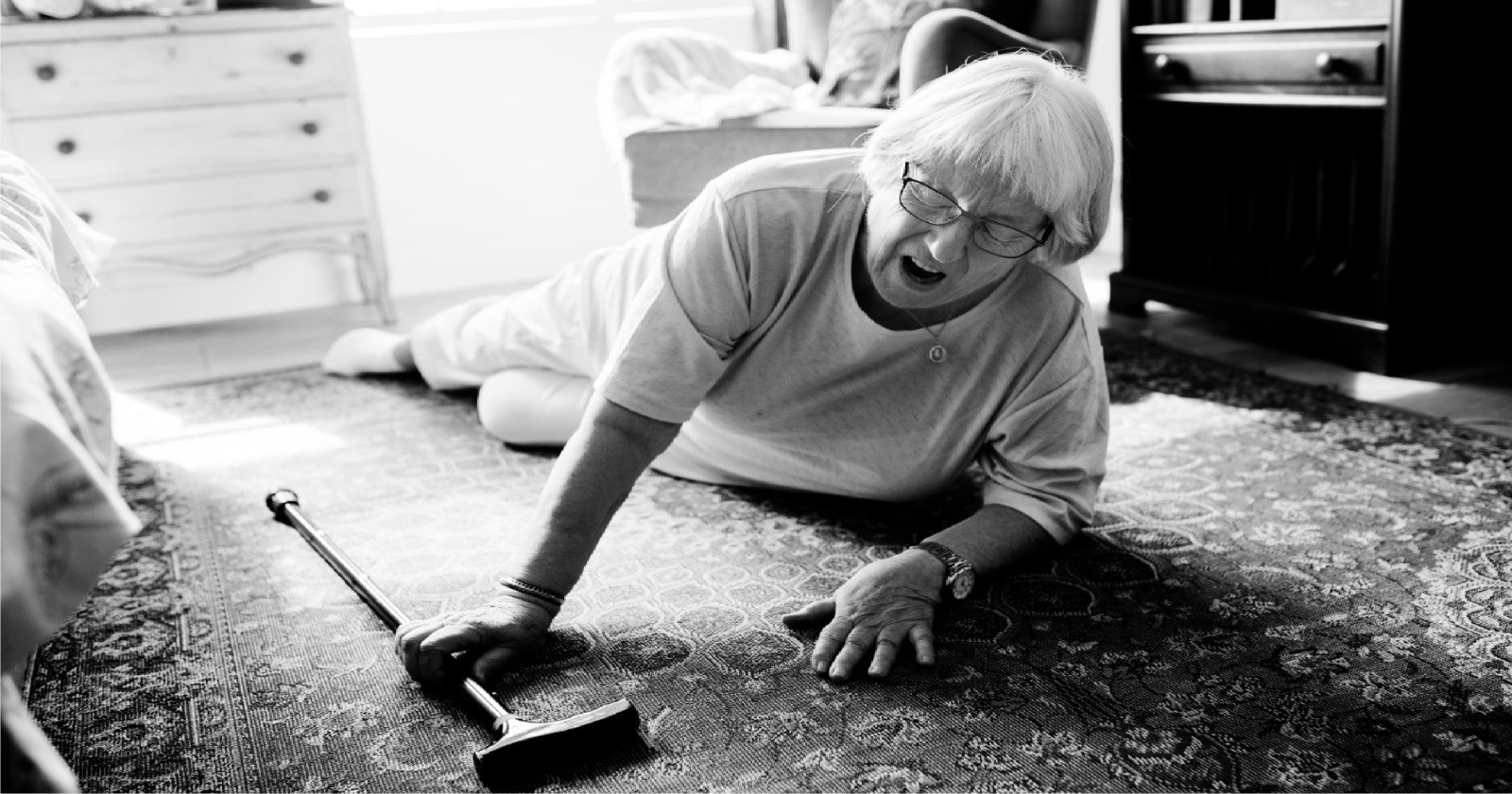
A sudden episode of unconsciousness in an older person is frightening. The individual may collapse, become stiff, shake briefly, lose bladder control, or remain confused afterward. Understandably, family members may immediately assume that the event was a seizure.
However, not every blackout accompanied by shaking is epilepsy. Syncope—commonly called fainting—can also produce stiffening or brief jerking movements. Conversely, seizures in older adults may be subtle and present only as staring, unresponsiveness, confusion, or an unexplained fall.
Distinguishing between seizure, syncope and other medical causes of altered consciousness is essential because the investigations, treatment and potential risks are very different.
What Do We Mean by “Loss of Consciousness”?
Transient loss of consciousness describes a brief episode in which a person becomes unresponsive, loses awareness and usually loses postural control, followed by spontaneous recovery.
The two most important causes are:
- Syncope: Temporary reduction in blood flow to the brain.
- Seizure: Abnormal, excessive electrical activity within the brain.
Other conditions—including low blood glucose, medication effects, stroke, infection and psychological events—may resemble either condition. Current guidelines therefore recommend a structured assessment rather than diagnosing the event from one feature alone.
Why Is Diagnosis More Difficult in Older Adults?
Blackouts can be particularly difficult to interpret in older people because:
- The event may be unwitnessed.
- The patient may not remember losing consciousness.
- A collapse may be reported simply as a “fall.”
- Several conditions may coexist—for example, orthostatic hypotension, heart disease and a previous stroke.
- Multiple medications may reduce blood pressure, slow the heart or disturb blood glucose and electrolytes.
- Brief jerking during syncope may be mistaken for epilepsy.
- Post-event confusion may be prolonged by underlying cognitive impairment.
For this reason, the description provided by a witness is often as important as the patient’s own account.
Seizure or Syncope: What Features Help?
No single feature is completely reliable. The diagnosis depends on the sequence of events before, during and after the episode.
Feature | More suggestive of syncope | More suggestive of seizure | |
| Circumstances | Standing for a long time, suddenly standing up, dehydration, heat, pain, emotional stress, coughing, urination, or defecation | May occur without an obvious trigger; can occur during sleep | |
| Warning symptoms | Light-headedness, dimming of vision, nausea, warmth, sweating or weakness | Unusual smell or taste, déjà vu, sudden fear, rising abdominal sensation or focal twitching | |
| Onset | Usually gradual in reflex or orthostatic syncope; cardiac syncope may be abrupt | Often abrupt | |
| Appearance | Pallor and sweating are common | Facial congestion or bluish discoloration may occur | |
| Movements | Brief stiffening or irregular jerks can occur after collapse | Sustained stiffening followed by rhythmic jerking is more typical | |
| Tongue injury | Uncommon | A bite along the side of the tongue strongly supports seizure | |
| Duration | Usually several seconds | Commonly one to two minutes | |
| Recovery | Orientation generally returns quickly | Confusion, sleepiness, headache or muscle pain may continue for minutes or hours | |
| Focal weakness afterwards | Unusual | Temporary weakness of one side—Todd’s paralysis—may follow a focal seizure | |
| Bladder control | May be lost | May be lost |
A bitten tongue, prolonged limb jerking, head-turning, unusual posturing, prolonged confusion or déjà vu before the event makes an epileptic seizure more likely. However, brief seizure-like activity can occur during an uncomplicated faint and does not automatically establish epilepsy.
Important Myth: “There Was Shaking, So It Must Have Been a Seizure”
This is one of the most frequent causes of misdiagnosis.
When blood flow to the brain falls suddenly during syncope, the person may stiffen and develop several brief jerks. This is called convulsive syncope. The movements are usually short and begin after the person has collapsed.
Similarly, urinary incontinence can occur during both syncope and seizure. Neither shaking nor loss of bladder control should be used alone to diagnose epilepsy.
Understanding Syncope in Older Adults
Syncope occurs when the brain temporarily receives insufficient blood flow. Recovery is usually spontaneous and relatively rapid.
1. Orthostatic hypotension
Orthostatic hypotension is a fall in blood pressure after standing. It is particularly common in older adults and may be associated with:
- Dehydration
- Prolonged bed rest
- Autonomic neuropathy, including diabetic neuropathy
- Parkinson’s disease and related disorders
- Anaemia or blood loss
- Antihypertensives, diuretics, nitrates and medications for prostate symptoms
- Sedatives and some antidepressants
- A large meal, particularly in frail individuals
The typical history is dizziness, visual dimming or collapse shortly after getting out of bed or rising from a chair. Orthostatic blood-pressure measurement is an important part of the assessment.
2. Reflex or vasovagal syncope
Reflex syncope may be triggered by pain, fear, heat, prolonged standing, coughing, swallowing, urination or defecation. Nausea, sweating, warmth and visual greying commonly precede the collapse.
Older adults may have little warning and may therefore sustain injuries.
3. Carotid sinus syndrome
Pressure on a sensitive carotid sinus in the neck can produce an excessive slowing of the heart or a fall in blood pressure. Episodes may be associated with:
- Turning the head
- Shaving
- Wearing a tight collar
- Neck pressure
Carotid sinus massage should be performed only by appropriately trained clinicians in a monitored environment.
4. Cardiac syncope
Cardiac syncope is less common than reflex or orthostatic syncope but is potentially more dangerous. Causes include:
- Very slow or very rapid heart rhythms
- Intermittent heart block
- Ventricular arrhythmias
- Severe aortic stenosis
- Cardiomyopathy
- Acute coronary syndromes
- Pulmonary embolism
Warning features include sudden collapse without a prodrome, syncope during exertion, syncope while lying down, preceding palpitations, chest pain, breathlessness, known structural heart disease or an abnormal electrocardiogram. Such presentations require urgent cardiovascular evaluation.
Understanding Seizures in Older Adults
New-onset seizures are not uncommon in later life. They are frequently focal seizures arising from one region of the brain rather than generalized seizures beginning throughout the brain.
Possible causes include:
- Previous or recent stroke
- Brain tumour
- Head injury
- Neurodegenerative disease
- Central nervous system infection
- Autoimmune or inflammatory brain disease
- Low sodium, low glucose or other metabolic disturbances
- Alcohol or medication withdrawal
- Medicines that lower the seizure threshold
A focal seizure may not produce dramatic convulsions. It may appear as:
- Sudden staring and unresponsiveness
- Lip-smacking, chewing or picking at clothing
- Repetitive, purposeless hand movements
- Sudden inability to speak
- Turning of the head or eyes
- Jerking of one arm or one side of the face
- An unexplained period of confusion
- A strange smell, taste, emotion or abdominal sensation
- Sudden wandering or unusual behaviour followed by amnesia
Focal seizures can spread to both sides of the brain and evolve into a bilateral tonic–clonic seizure with loss of consciousness, stiffening and rhythmic jerking.
A first suspected seizure in an older adult deserves prompt neurological evaluation because a newly acquired structural or metabolic cause must be excluded.
Other Conditions That Can Mimic a Blackout
Hypoglycaemia
Low blood glucose may cause sweating, trembling, confusion, abnormal behaviour, seizures or coma. It should be considered especially in patients receiving insulin or sulfonylureas.
A bedside glucose measurement during or soon after the event can be extremely helpful.
Metabolic or toxic encephalopathy
Low sodium, kidney or liver failure, hypoxia, carbon dioxide retention, medication toxicity and alcohol-related problems can impair consciousness or provoke acute symptomatic seizures.
Unlike typical syncope, recovery may remain incomplete until the underlying abnormality is corrected.
Stroke or intracranial haemorrhage
A brief, isolated blackout is not the usual presentation of a transient ischaemic attack. However, stroke, brainstem ischaemia, subarachnoid haemorrhage or intracerebral haemorrhage may affect consciousness when accompanied by:
- New weakness or numbness
- Facial deviation
- Speech disturbance
- Double vision or severe imbalance
- A sudden, severe headache
- Persistent vomiting
- Continuing drowsiness or confusion
These symptoms require immediate emergency assessment.
Infection, sepsis and hypoxia
Pneumonia, urinary infection, sepsis and respiratory failure may present in frail older adults as sudden confusion, reduced responsiveness or collapse, sometimes without a high fever.
Medication-related events
A complete medication review is essential. Common contributors include:
- Blood-pressure-lowering medicines
- Diuretics
- Insulin and glucose-lowering medication
- Sedatives and sleeping tablets
- Opioids
- Antidepressants and antipsychotics
- Drugs that slow cardiac conduction
- Combinations that prolong the QT interval
- Recently started medicines or dose changes
Falls, concussion and amnesia
An older person may fall because of poor balance and subsequently develop amnesia from a head injury. It may then be unclear whether unconsciousness caused the fall or resulted from it.
Psychogenic nonepileptic events
Psychogenic nonepileptic events are genuine, involuntary episodes that can resemble seizures but are not caused by epileptic electrical discharges. Diagnosis should be made positively by an experienced specialist, often using video-EEG, rather than simply because routine tests are normal.
What Information Should a Witness Record?
A witness should describe the event in chronological order:
- What was the person doing immediately beforehand?
- Was the person standing, sitting, exercising or lying down?
- Were there warning symptoms?
- Did the person become pale, sweaty or blue?
- Did the body become limp or stiff?
- Did movements begin before or after the fall?
- Were the movements rhythmic or irregular?
- Were the eyes open, and did the head or eyes turn to one side?
- Was there tongue injury, and where?
- How long did the unresponsiveness and movements last?
- How quickly did normal conversation return?
- Was there lingering confusion, weakness, headache or muscle pain?
A safely recorded smartphone video can be extremely valuable, provided recording does not delay first aid or emergency assistance.
How Is an Older Patient With a Blackout Evaluated?
The initial assessment usually includes:
- A detailed account from the patient and witnesses
- Review of previous episodes, falls and injuries
- Complete medication review
- Cardiovascular and neurological examination
- Pulse and blood pressure, including lying and standing measurements
- A 12-lead ECG
- Bedside blood glucose
- Targeted blood tests based on the clinical situation
Further investigations are guided by the likely diagnosis:
When syncope is suspected
Testing may include prolonged rhythm monitoring, echocardiography, tilt-table testing or an implantable loop recorder. The frequency and unpredictability of the episodes help determine the most appropriate duration of rhythm monitoring.
When seizure is suspected
Assessment may include EEG and brain MRI, together with investigations for metabolic, infectious, vascular or structural causes.
An EEG should support a clinically suspected diagnosis of epilepsy; it should not be ordered routinely for an otherwise convincing episode of syncope. Similarly, brain imaging is not routinely required for uncomplicated fainting but becomes important when there is head trauma, focal neurological abnormality or suspicion of a new seizure or intracranial disorder.
When Is Emergency Help Required?
Seek immediate emergency care when loss of consciousness is associated with:
- Chest pain, severe breathlessness or palpitations
- Collapse during physical exertion
- Collapse while lying down
- Known significant heart disease
- Persistent low blood pressure or an abnormal heart rhythm
- New weakness, facial asymmetry or speech disturbance
- A sudden, severe headache
- Persistent confusion or failure to regain normal consciousness
- Repeated episodes over a short period
- Significant head injury or uncontrolled bleeding
- A seizure lasting more than five minutes
- Repeated seizures without full recovery between them
A seizure lasting longer than five minutes, or recurrent seizures without recovery, constitutes a medical emergency.
What Should a Bystander Do?
- Protect the person from traffic, fire, stairs and sharp objects.
- Check breathing.
- Place the person on their side once it is safe to do so.
- Cushion the head.
- Loosen tight clothing around the neck.
- Time the episode.
- Do not restrain jerking movements.
- Do not place a spoon, fingers, medicine or any object in the mouth.
- Do not give food, water or tablets until the person is fully alert.
- Begin cardiopulmonary resuscitation and use an automated external defibrillator when the person is not breathing normally.
The Central Message
In an older adult, a blackout should never be dismissed as “just old age.” It may result from a seizure, a sudden fall in blood pressure, an intermittent cardiac arrhythmia, medication toxicity, hypoglycaemia or an acute neurological or systemic illness.
The most useful diagnostic tool is often not a sophisticated scan—it is a careful reconstruction of what happened before, during and after the event.
Brief jerking does not necessarily mean epilepsy. Rapid recovery does not always guarantee a harmless faint. Every first or unexplained episode deserves a structured medical assessment, with particular urgency when there are cardiac symptoms, neurological deficits, prolonged confusion or significant injury.
This article is intended for general education and does not replace individual medical evaluation.