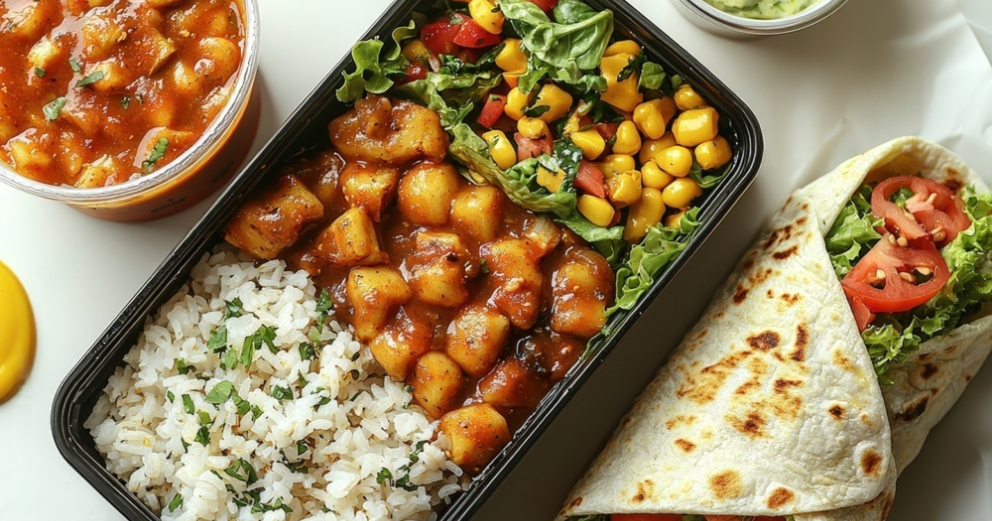
“The Modern Indian Diet: Are We Overfed but Undernourished?”
https://www.kimshospitals.com/doctor-profile/amreen-sheikh-1/
We have more food around us today than any generation before us. Supermarket aisles are packed. Food delivery apps can get a meal to your door in twenty minutes. Most of us are rarely, if ever, actually hungry.
And yet, as a dietitian, I keep meeting people who are tired all the time, losing hair, catching every infection going around, or struggling to concentrate—despite eating three meals a day, sometimes more.
It sounds contradictory. How can someone be eating enough, or even too much, and still be undernourished?
The answer has a name: hidden hunger. It's what happens when you're taking in plenty of calories but not enough of the actual nutrients your body needs—protein, iron, vitamins, minerals, and fiber. You can be overfed and undernourished at the same time, and it's becoming one of the quieter drivers behind India's rising rates of obesity, diabetes, heart disease, fatty liver, and low immunity.
A Full Plate Isn't the Same as a Nourished Body
Most of us were taught to associate a full plate with good nutrition. But your body isn't just counting calories—it's asking for protein, fiber, healthy fats, vitamins, and minerals to actually function.
Somewhere along the way, the Indian plate changed. Home-cooked meals with dal, sabzi, and fresh vegetables have been steadily replaced by things that are quicker but far less nourishing — refined flour, sugary drinks, packaged snacks, and one too many restaurant meals a week.
The result? You can look well-fed, even carry extra weight, and still be running low on the nutrients that keep you healthy.
Why Our Eating Habits Have Quietly Changed
Life just moves faster now. Long work hours, longer commutes, constant stress, and food that's one tap away have reshaped how India eats—often without us noticing.
A few habits that have become almost normal:
Skipping breakfast because mornings are chaotic
Swapping a real meal for tea, coffee, or a packet of chips
Ordering in several times a week
Eating in front of a screen instead of paying attention to the meal
Eating fewer seasonal fruits and vegetables than we used to
Reaching for convenience over what's actually good for us
None of these habits feel harmful on their own. But add them up over months and years, and they quietly create nutritional gaps—gaps that show up later as fatigue, poor immunity, or worse.
Your Body Is Probably Already Telling You Something
Long before a blood test confirms a deficiency, your body usually gives you clues. Ask yourself honestly:
Am I tired even after a full night's sleep?
Is my hair falling more than it used to, or are my nails brittle?
Do I struggle to focus or feel foggy by afternoon?
Do I seem to catch every cold going around or take forever to bounce back?
Do my muscles cramp or feel weak more often than they should?
Is my digestion sluggish or uncomfortable?
These symptoms can come from many places, but nutritional gaps are one of the most overlooked causes. Left unchecked, a small, quiet deficiency can grow into a real health problem over time.
The Deficiencies I See Most Often in Practice
Even in people who eat "regular" meals, a handful of nutrient gaps come up again and again:
Protein—needed for muscle, immunity, wound healing, and healthy aging. Most adults, especially older ones, eat noticeably less protein than their body actually needs.
Iron—the most common cause of anemia in India, especially in women, teenagers, and pregnant women. Low iron shows up as fatigue, poor concentration, and reduced day-to-day energy.
Vitamin B12—very common among vegetarians and older adults. A deficiency can cause weakness, tingling in the hands or feet, memory trouble, and nerve issues.
Vitamin D and Calcium—vital for bones, muscles, and immunity. Despite all our sunshine, vitamin D deficiency is still remarkably widespread in India.
Dietary Fiber—modern, refined diets are often fiber-poor, which raises the risk of constipation, obesity, diabetes, and heart disease.
Why This Actually Matters
Nutrition isn't just about the number on the scale. It shapes how well you think, how you recover from illness, and how you age.
Poor eating patterns are consistently linked to:
Type 2 diabetes
High blood pressure
Heart disease
Fatty liver disease
Obesity
Osteoporosis
Certain cancers
On the flip side, good nutrition builds stronger immunity, faster recovery after illness or surgery, better mental clarity, and a healthier old age.
Food isn't just fuel. It's one of the most powerful, and most underused, tools we have for preventing disease.
Small Shifts, Lifelong Payoff
Here's the reassuring part: fixing this doesn't need expensive supplements or a complicated diet plan. It starts with small, consistent choices—a home-cooked meal instead of another delivery order, a handful of nuts instead of a packet of chips, and actually sitting down for breakfast.
Healthy eating was never about being perfect. It's about choosing better, more often than not.
India is seeing a sharp rise in lifestyle diseases, and much of it traces back to what's on our plates every single day. A full stomach doesn't automatically mean a nourished body.
So maybe the question isn't "Am I eating enough?" anymore. It's: "Am I eating what my body actually needs?"
Every meal is a small chance to nourish your body and protect your future health. At the end of the day, good nutrition isn't about eating more—it's about eating wisely.