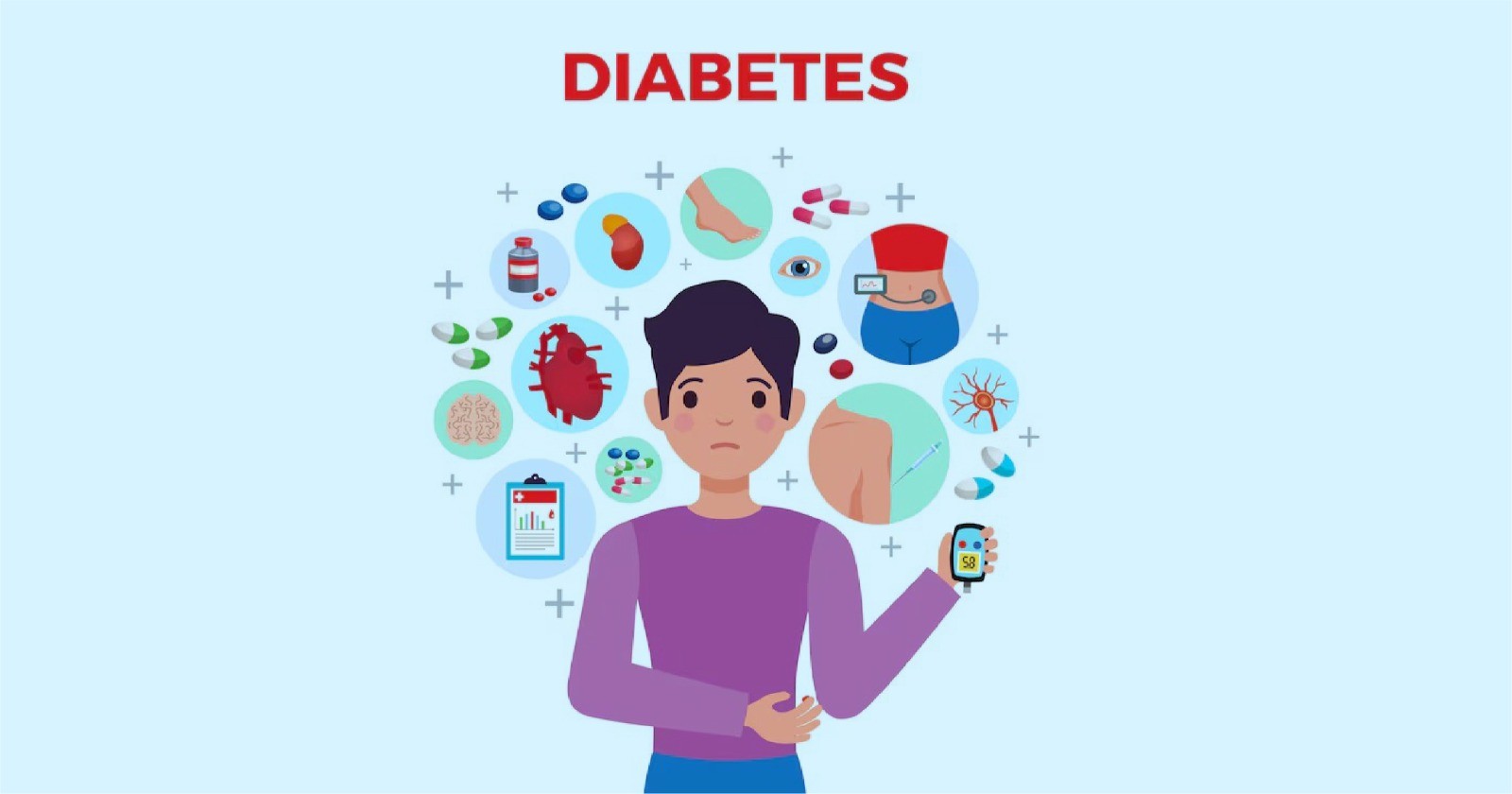
Uncontrolled Diabetes: A Slow Poison for Your Brain and Nerves
In India, where sweets are a cultural staple and sedentary lifestyles are rising, diabetes is spreading silently. But poorly controlled blood sugar doesn’t just affect your eyes, kidneys, or heart — it slowly poisons your brain and nerves as well.
This article explains how uncontrolled diabetes silently damages the nervous system, often without warning until it’s too late.
How High Sugar Acts Like a Toxin
When your blood sugar remains elevated for long periods:
- It causes inflammation and oxidative stress
- It damages the tiny blood vessels that supply the brain and nerves
- It affects the protective coating (myelin) of nerves
- It leads to nerve cell death and poor signal transmission
Effects on the Brain
- Memory Loss and Dementia
- Diabetics have a higher risk of Alzheimer’s disease and vascular dementia
- High sugar affects brain metabolism and blood flow
- Stroke
- Diabetes doubles the risk of stroke
- Sugar damages blood vessels and promotes clot formation
- Mood and Mental Health
- Diabetics are more prone to depression, anxiety, and sleep disturbances
- Blood sugar fluctuations can affect mood and behavior
- Cognitive Slowing
- Poor concentration, foggy thinking, and slow response times are common
Effects on the Nerves (Diabetic Neuropathy)
- Peripheral Neuropathy
- Burning, tingling, numbness in feet and hands
- Loss of sensation can lead to painless injuries, ulcers, and amputations
- Autonomic Neuropathy
- Affects nerves controlling internal organs
- Symptoms: gastric bloating, bladder problems, constipation, dizziness while standing, even silent heart attacks
- Cranial Nerve Involvement
- Sudden double vision, facial weakness (diabetic cranial neuropathy)
- Painful Diabetic Neuropathy
- Severe burning pain especially at night
- Can be mistaken for arthritis or other conditions
Warning Signs You Shouldn’t Ignore
- Numb feet or hands
- Imbalance or falls
- Memory problems
- Vision changes with eye strain
- Stomach issues or sweating abnormalities
What You Can Do
- Keep HbA1c below 7%
- Exercise daily – walking, yoga, or cycling
- Eat a balanced low-glycemic diet
- Avoid sugar-rich snacks and fried foods
- Monitor blood pressure and cholesterol
- Avoid smoking and alcohol
- Get regular eye, foot, and neurological exams
Final Takeaway
Uncontrolled diabetes doesn’t cause pain immediately — that’s what makes it dangerous. It silently erodes your nerves and brain, affecting everything from your memory to your walking.
Control sugar before it controls your future.
Treat diabetes not just for your blood — but for your brain and nerves
Footer Loading...