Understanding Cholesterol: Good vs Bad
Most people hear the word cholesterol and immediately think of something to avoid. The reality is more complicated. Cholesterol is not the villain it is often made out to be, the body actually cannot function without it. What matters is the type, the quantity, and crucially, the balance between the two.
Getting that balance wrong, however, has serious consequences. And the problem is that it happens silently, over the years, with no warning signs at all.
What Does Cholesterol Actually Do?
Cholesterol is a waxy, fat-like substance produced by the liver. It helps build cells and supports the production of certain hormones and vitamin D. Every cell membrane in the body depends on it. The liver makes all the cholesterol the body needs, but diet adds more, particularly through animal-based foods like meat, dairy, and eggs.
Because cholesterol is a fat and blood is water-based, they do not mix. So cholesterol is ferried through the bloodstream by carrier proteins called lipoproteins. And this is where the story of good and bad begins, because different lipoproteins carry cholesterol to very different destinations, with very different outcomes.
LDL Cholesterol: Why it is a problem
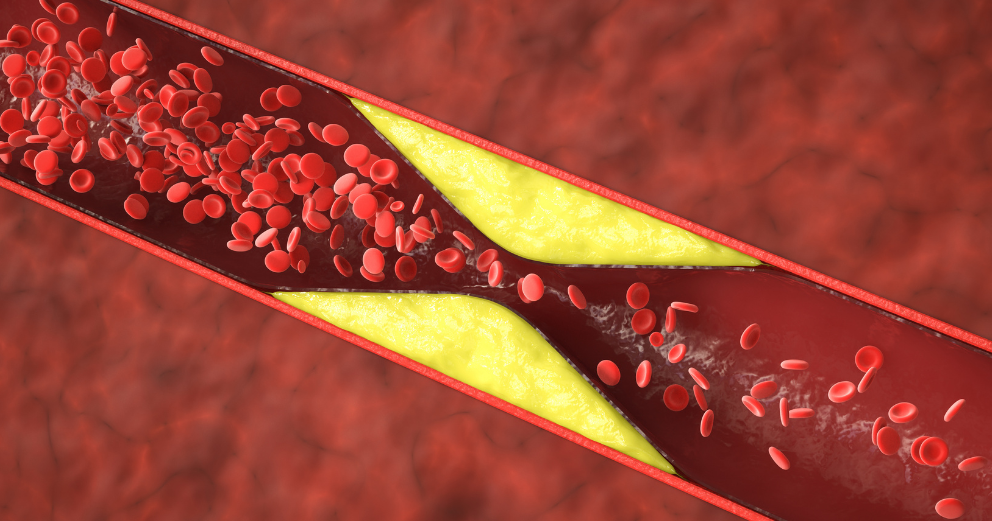
LDL, or low-density lipoprotein, transports fatty molecules from the liver and deposits them in blood vessel walls and peripheral tissues. When LDL is in excess, it begins to block the arteries supplying major organs.
These deposits form what is called plaque. Over time, plaque hardens, and the arteries narrow, a process called atherosclerosis. The narrower the passage, the less blood reaches the heart and brain. Atherosclerosis raises the risk of heart attack, stroke, and peripheral artery disease.
What makes high LDL cholesterol especially dangerous is that it gives no indication that anything is wrong. No pain, no fatigue, no obvious symptom. A person can walk around with dangerously elevated LDL for years and feel perfectly fine, right up until a cardiac event.
HDL Cholesterol: the protective kind
HDL, or high-density lipoprotein, works in the opposite direction. It picks up excess cholesterol from the bloodstream and arterial walls and returns it to the liver, where it is broken down and removed from the body.
This process, called reverse cholesterol transport, is essential for keeping arterial plaques from forming. Low HDL levels impair this mechanism, and low plasma HDL is strongly associated with higher cardiovascular risk.
Higher HDL is better. Low HDL is a red flag on its own, even if LDL appears to be within a normal range. The ratio between the two matters as much as the individual numbers.
Triglycerides: the number most people overlook
A standard lipid panel measures three things: LDL, HDL, and triglycerides. Triglycerides are fats in the blood that the body stores for energy. They tend to be the least discussed, but they matter.
High triglycerides alongside high LDL or low HDL significantly increase the risk of plaque buildup in artery walls, raising the risk of heart attack and stroke.
What drives triglycerides up:
- Excessive use of sugar, refined carbs and processed meals
- Too much alcohol
- Lack of physical activity and obesity of the abdomen
- Diabetes that is not under control or an underactive thyroid
Normal triglyceride levels are below 150 milligrams per decilitre. More assessment is required above this.
What raises LDL and lowers HDL?
Several everyday factors shift cholesterol in the wrong direction:
- Diets high in saturated fats, red meat, full-fat dairy, and fried foods, drive LDL up
- Trans fats, found in many packaged and processed foods, raise LDL and lower HDL simultaneously
- Physical inactivity progressively lowers HDL over time
- Smoking damages blood vessel walls and accelerates plaque formation
- Abdominal obesity is strongly linked to high LDL, high triglycerides, and low HDL
Genetics plays a role too. Familial hypercholesterolaemia is a hereditary condition where LDL levels are dangerously high regardless of diet or lifestyle, and medication is typically required from early in life.
How to manage cholesterol?
The encouraging thing about cholesterol is how responsive it is to change, especially when that change comes early.
- Diet — fibre from whole grains, legumes, fruits, and vegetables has a direct LDL-lowering effect. Foods rich in omega-3 fatty acids help lower both LDL and triglyceride levels. Replacing saturated fats with healthier unsaturated fats from nuts, seeds and olive oil has a significant impact on improving the lipid profile.
- Exercise — regular physical activity raises HDL and lowers triglycerides. At least 30 minutes of moderate activity on most days of the week is the standard recommendation
- Weight management — even a modest reduction in body weight, particularly around the abdomen, can shift all three lipid numbers in a better direction
- Quitting smoking and moderating alcohol — both directly improve HDL and reduce cardiovascular risk
Takeaways
Cholesterol is not a single substance, it is a balance between competing forces. High LDL cholesterol quietly damages arteries over years, while healthy HDL cholesterol actively clears them. Elevated triglycerides add further risk. Since none of this produces symptoms, a routine lipid panel is the only way to know where things stand. High cholesterol management through diet, exercise, and where needed, medication, remains one of the most effective ways to reduce the risk of heart disease long before it becomes a crisis.